
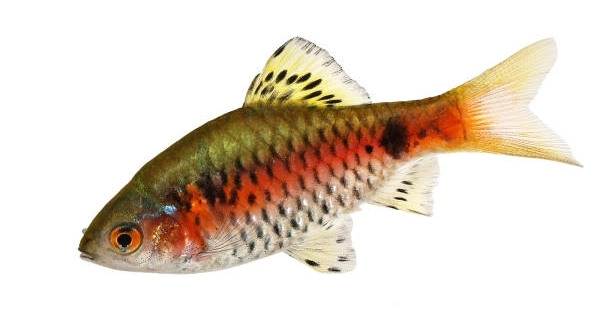
Rosy Barbs are popular freshwater fish often kept in home aquariums. Their behavior and preferences, including water flow conditions, can affect their well-being and how they interact within their environment. Understanding these needs is important for proper care.
Rosy Barbs generally prefer moderate water flow rather than fast currents. Excessive water movement can cause stress and disrupt their natural swimming patterns. Providing a balanced flow helps maintain their health and mimics their typical habitat conditions.
Knowing how flow preferences impact Rosy Barbs will help you create a better environment for them. This article explains their ideal water conditions to support their comfort and vitality.
Understanding Rosy Barbs’ Natural Habitat
Rosy Barbs are native to slow to moderately flowing rivers and streams in South Asia. Their natural environment typically features calm waters with occasional gentle currents. This habitat provides plenty of hiding spots among plants and rocks, allowing them to swim comfortably without the strain of fast water. In captivity, replicating these conditions is essential to reduce stress and promote healthy behavior. Fast water can tire them quickly, causing them to hide or become less active. They thrive best where water flow gently circulates, ensuring oxygenation without overwhelming their swimming abilities. Aquarium owners should aim to balance filtration and aeration to maintain these conditions, avoiding strong currents from powerheads or heavy filtration systems. Observing their reactions to water flow changes can help fine-tune the environment for optimal comfort.
Their preference for moderate water flow reflects their adaptation to natural habitats that are neither stagnant nor rapidly moving.
Matching tank conditions to these needs can improve their health and reduce signs of stress.
Effects of Fast Water on Rosy Barbs
Fast water flow can be stressful for Rosy Barbs, causing them to expend excessive energy just to maintain position. This can weaken their immune system over time and make them more vulnerable to disease. It may also disrupt their social behavior, as aggressive currents interfere with normal swimming and interaction patterns.
Keeping water movement moderate promotes normal activity levels and reduces unnecessary fatigue.
In an aquarium, too strong a current forces Rosy Barbs to swim constantly, which is not natural for them. This can lead to exhaustion and increased hiding behavior, which signals discomfort. Tank setups should provide gentle currents through appropriate filter settings or using flow deflectors. A balanced flow supports oxygen exchange without stressing the fish. Proper placement of decorations and plants can also help buffer strong currents, giving them places to rest. When their environment matches their natural preferences, Rosy Barbs display more vibrant colors and healthier behaviors. Paying attention to water flow is a simple yet effective way to improve their quality of life.
How to Create the Ideal Flow in Your Aquarium
To create the right water flow, start by choosing a filter with adjustable flow rates. Many filters allow you to reduce output to avoid strong currents. Placing the filter output against the aquarium glass or using a spray bar can help disperse water more evenly, creating gentle circulation. Avoid positioning powerheads directly in the swimming paths of your fish, as this can generate turbulent flow. Adding live plants and decorations can also break up water movement, providing calm areas for rest. Regular observation helps you see if your Rosy Barbs are swimming comfortably or showing signs of stress. Adjusting flow gradually allows fish to acclimate without shock. Maintaining moderate flow supports their natural habits, making the aquarium a comfortable home. This balance also promotes better water quality by preventing stagnation while keeping the fish calm and healthy.
Signs Rosy Barbs Show When Water Flow Is Too Strong
When water flow is too strong, Rosy Barbs may show signs of stress such as hiding frequently or staying at the bottom of the tank. They may also appear tired or swim erratically.
Rosy Barbs struggling with strong currents often lose their usual active and social behavior. They might avoid swimming in open water and seek shelter behind plants or decorations more than usual. This is a natural response to conserve energy when fighting the current becomes exhausting. You might also notice them flashing or rubbing against surfaces, which can indicate irritation caused by stress. Over time, constant exposure to fast water can weaken their immune system, making them more prone to illness. Watching for these behaviors early allows adjustments to the aquarium setup before health problems develop.
To help them feel more comfortable, reduce flow rates gradually. This gives the fish time to adjust and regain normal behavior, improving their overall well-being.
Adjusting Your Aquarium Setup for Better Flow
Adjusting flow involves both equipment settings and tank arrangement. Start by lowering filter output and repositioning water outlets to soften the current. Adding plants and decorations breaks up water movement and creates calm zones. This makes the environment more natural for Rosy Barbs, providing places to rest and escape strong currents.
Creating varied flow patterns benefits all tank inhabitants by mimicking natural conditions. Consider using flow deflectors or spray bars to spread water evenly, avoiding concentrated strong currents. Regularly check fish behavior to ensure changes have positive effects. Adjustments do not have to be drastic; small changes can make a big difference. Maintaining balanced water flow supports fish health and encourages active, natural swimming habits in your Rosy Barbs.
Common Mistakes with Water Flow for Rosy Barbs
Many aquarium owners set filters to maximum, creating strong currents that stress Rosy Barbs. This can lead to health issues and unusual behavior.
Another mistake is placing powerheads directly in open swimming areas, causing constant resistance that tires the fish quickly.
Best Equipment Choices for Moderate Flow
Choosing the right equipment is key to maintaining gentle water flow. Filters with adjustable flow settings allow control over current strength, which helps keep conditions comfortable for Rosy Barbs. Spray bars and flow diffusers spread water evenly and reduce strong jets, mimicking their natural habitat. Powerheads should be used carefully, preferably with deflectors or placed behind decorations to soften currents. Proper equipment choice combined with smart placement creates a balanced environment that supports healthy swimming and reduces stress in these fish.
Monitoring Water Flow Regularly
Regular observation of your tank helps ensure water flow remains suitable for Rosy Barbs. Check for changes in behavior or signs of stress and adjust equipment as needed.
FAQ
Do Rosy Barbs need fast-moving water?
No, Rosy Barbs do not require fast-moving water. They thrive best in tanks with moderate flow that mimics their natural habitat, which includes gentle currents rather than strong or fast water. Excessive water movement can stress them and cause health problems.
How can I tell if the water flow is too strong for my Rosy Barbs?
Signs include frequent hiding, erratic swimming, and exhaustion. Fish may also flash against surfaces or lose their usual active behavior. Watching how they move and interact in the tank is a good way to gauge if the flow is appropriate.
What’s the easiest way to reduce water flow in an aquarium?
Adjusting the filter’s flow rate is usually the simplest method. Many filters have settings to control output strength. If flow is still too strong, redirecting the water outlet against the tank wall or using a spray bar can help diffuse the current evenly.
Can fast water kill Rosy Barbs?
Fast water itself rarely kills them directly but can cause stress and exhaustion, weakening their immune system. This makes them more susceptible to diseases, which can become fatal if not addressed. Maintaining moderate flow helps keep them healthy.
Should I use a powerhead with Rosy Barbs?
Powerheads can create strong currents, so they should be used carefully. If used, position them where water flow can be softened by decorations or plants. Avoid placing powerheads directly in open swimming areas to prevent constant resistance for the fish.
Do Rosy Barbs prefer still or flowing water?
They prefer moderate flowing water, not still or stagnant water. Gentle currents help oxygenate the tank and keep water quality high without causing stress. Still water can reduce oxygen levels, which is unhealthy for them.
How often should I check water flow in my tank?
It’s a good practice to observe water flow weekly, especially after equipment changes or maintenance. Fish behavior provides clues—if they seem stressed or hide more, check if water movement might be the cause and adjust accordingly.
What tank decorations help with managing water flow?
Live plants, rocks, and driftwood can break up strong currents and create calm areas. These decorations also offer hiding spots and resting places, reducing stress and providing a more natural environment for Rosy Barbs.
Can water flow affect Rosy Barbs’ coloration?
Yes, improper water flow can stress Rosy Barbs, which may cause duller colors. When water flow matches their natural preference, fish tend to display brighter and healthier coloration due to reduced stress and better overall health.
Is it okay for Rosy Barbs to live in a tank with other fish that prefer fast water?
It’s best to choose tank mates with similar flow preferences. If other fish require faster currents, it can be challenging to balance conditions, potentially stressing the Rosy Barbs. Separate tanks or carefully designed flow zones can help accommodate different species.
Can I use flow deflectors in my aquarium?
Yes, flow deflectors are useful tools to soften strong currents. They redirect water flow, creating gentler movement without sacrificing oxygenation. These are especially helpful if your filter or powerhead creates too much force.
Does tank size influence water flow preferences?
Tank size can affect flow distribution. In larger tanks, water flow may naturally slow down in certain areas, creating varied current zones. Smaller tanks may need careful adjustment of filter output to avoid overwhelming the fish with strong currents.
How important is water flow for oxygen levels?
Water flow helps oxygenate the tank by circulating water and promoting gas exchange at the surface. Moderate flow ensures oxygen reaches all parts of the aquarium, supporting fish health. Too little movement can lead to oxygen depletion, while too much causes stress.
Are Rosy Barbs active swimmers despite preferring moderate flow?
Yes, they are active swimmers but prefer swimming in calm or moderately flowing water. Strong currents tire them out, but gentle currents encourage natural swimming behavior without causing fatigue or stress.
What’s a simple test to check if water flow is too strong?
Watch your fish’s behavior closely. If they struggle to swim or are constantly pushed around by water currents, flow is too strong. Adjust filter speed or reposition outlets until they swim comfortably with ease.
How do I balance filtration and water flow for Rosy Barbs?
Aim for a filter that provides efficient biological and mechanical filtration without creating a strong current. Use adjustable flow settings, diffusers, or spray bars to maintain gentle circulation, keeping water clean and fish comfortable at the same time.
Can I mix different filtration types to control flow?
Combining canister filters, sponge filters, or internal filters can help balance water flow. Sponge filters often produce gentle currents, while canisters provide powerful filtration that can be adjusted. This mix allows fine-tuning of flow strength.
Does temperature affect Rosy Barbs’ reaction to water flow?
Temperature affects fish metabolism and energy levels. In warmer water, Rosy Barbs may be more active and tolerate moderate flow better. In cooler water, strong currents may tire them more easily. Maintaining stable temperature complements proper flow conditions.
What should I avoid when setting up flow for Rosy Barbs?
Avoid placing filter outlets or powerheads where they create strong jets in open swimming areas. Don’t set filters to maximum without monitoring fish response. Also, avoid stagnant zones by ensuring some circulation throughout the tank.
How long does it take for Rosy Barbs to adjust to new flow conditions?
Adjustment time varies but usually takes a few days to a week. Gradually changing flow strength helps fish acclimate without stress. Sudden changes can cause hiding or erratic swimming, so slow adjustments are best.
Rosy Barbs are lively and attractive fish that thrive best in aquariums with moderate water flow. Their natural habitat includes gently flowing rivers and streams, so replicating similar conditions helps keep them healthy and comfortable. Too strong a current can cause stress, tiring the fish and leading to changes in behavior that indicate discomfort. Providing the right water movement is a simple yet important step in caring for Rosy Barbs, supporting their natural swimming patterns and overall well-being.
Adjusting water flow in your tank is not difficult but requires attention to detail. Filters with adjustable flow rates are useful tools to control the current strength. Using flow diffusers, spray bars, or placing powerheads carefully can soften water movement, preventing strong jets that might disturb the fish. Decorations like plants and rocks help break up the flow and create calm areas where Rosy Barbs can rest and hide. Watching your fish closely after making changes allows you to see if they are comfortable or if further adjustments are needed. Consistent monitoring helps maintain an environment that suits their needs.
Ultimately, understanding and meeting the water flow preferences of Rosy Barbs leads to healthier, more active fish. Balanced flow supports oxygen circulation and waste removal while avoiding stress caused by strong currents. This balance encourages natural behavior and vibrant coloration, making your aquarium more enjoyable. Taking the time to set up and maintain proper water flow benefits your fish’s long-term health and creates a more peaceful tank environment overall.

Hello,
If you enjoy the content that we create, please consider saying a "Thank You!" by leaving a tip.
Every little bit helps us continue crafting quality advice that supports the health, happiness, and well-being of pets around the world, for pets of all shapes, sizes, and species.
We really appreciate the kindness and support that you show us!