
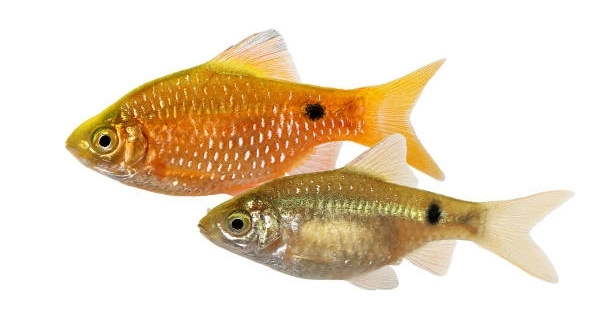
Rosy barbs are colorful freshwater fish popular among aquarium enthusiasts. These lively fish are known for their active behavior and social nature. Understanding how they sense their environment can improve their care and habitat design.
Rosy barbs possess sensory systems that allow them to detect vibrations in the water. Their lateral line system helps them perceive changes in water movement, enabling them to respond to nearby disturbances and potential threats efficiently.
Learning more about how rosy barbs sense vibrations can enhance aquarium environments and promote healthier fish behavior. This insight benefits both hobbyists and researchers alike.
How Rosy Barbs Sense Vibrations
Rosy barbs rely on a specialized sensory organ called the lateral line to detect vibrations in the water. This organ runs along the sides of their bodies and contains tiny hair cells that respond to changes in water pressure and movement. When something disturbs the water near them, these cells send signals to the fish’s brain, allowing it to react quickly. This ability helps rosy barbs avoid predators and navigate their surroundings safely. It also plays a role in social behaviors, such as schooling and communication with other fish. Because water transmits vibrations well, this system is very effective for detecting subtle changes in their environment. Understanding this sensory mechanism helps in setting up aquarium tanks that reduce unnecessary stress by minimizing strong vibrations or sudden movements. It also explains why rosy barbs might react noticeably to nearby tank activities or equipment vibrations.
This vibration sensitivity is vital for rosy barbs’ survival and interaction within their habitats. Their lateral line is a key tool for daily life.
The lateral line system is common among many fish species, but it is especially important for active swimmers like rosy barbs. In an aquarium, excessive noise or sudden vibrations from pumps or taps can disturb them. Providing a stable and calm environment reduces stress and supports natural behavior. Watching how rosy barbs respond to subtle water movements reveals their reliance on this sensory input. It also shows the importance of gentle handling and avoiding rapid changes in the tank. Knowing this helps caretakers design better aquatic spaces that respect the fish’s natural abilities, improving their overall well-being and longevity.
Practical Tips for Aquarium Care
Minimizing strong vibrations in the tank creates a more comfortable environment for rosy barbs.
Maintaining steady water flow and avoiding frequent tapping on the tank glass reduces stress on these fish. Using quiet equipment and placing the tank in a low-traffic area helps keep vibrations low. Regularly checking that filters and pumps operate smoothly without excess noise supports their health. It is also important to keep the water clean and well-oxygenated, which complements the natural sensory functions of rosy barbs. By respecting their sensitivity to vibrations, caretakers can encourage calmer, more natural behavior patterns. This approach leads to a more peaceful aquarium and a healthier fish population overall.
Vibrations and Rosy Barbs’ Behavior
Rosy barbs react quickly to vibrations as part of their survival instinct. These reactions help them avoid danger and communicate with other fish.
When a sudden vibration occurs, rosy barbs often swim away or hide among plants. This response protects them from potential predators or harmful situations. Vibrations can also signal changes in their environment, such as food dropping or tank disturbances. Recognizing these signals helps the fish stay alert and safe.
Socially, vibrations assist in schooling behavior. Rosy barbs use water movement cues to maintain group coordination and avoid collisions. This ability strengthens their group dynamics and reduces stress in the tank. Understanding how vibrations influence their behavior allows caretakers to create calmer, more natural habitats.
Impact of Tank Environment on Sensitivity
Tank setup influences how well rosy barbs detect and respond to vibrations.
A tank with excessive noise or water movement can overstimulate their lateral line, causing stress and erratic behavior. Soft substrates, live plants, and decorations can absorb some vibrations, creating a calmer environment. Proper placement of filters and pumps is essential to minimize unnecessary vibrations. Adjusting equipment to run quietly and steadily improves fish comfort. Monitoring these factors supports healthier, more natural behavior, and helps rosy barbs thrive in captivity.
Signs of Stress from Vibrations
Excessive vibrations can cause rosy barbs to show signs of stress. They may become restless or hide more often than usual.
These stress behaviors can lead to weakened immune systems and increased susceptibility to disease if not addressed promptly.
How to Monitor Vibrations in Your Tank
Regular observation is key to detecting stress caused by vibrations. Watch for sudden changes in behavior or increased hiding. Using vibration-absorbing mats under the tank can help reduce external disturbances. Keep equipment well-maintained and avoid tapping on the glass to minimize stress triggers.
Vibrations and Feeding Behavior
Rosy barbs often respond to vibrations related to feeding. Vibrations from food dropping into the tank can alert them to meal times.
Adjusting Equipment to Reduce Vibrations
Choosing quiet, efficient equipment helps maintain a peaceful environment. Properly secured devices prevent unnecessary shaking that can disturb the fish.
FAQ
Can rosy barbs hear sounds or just feel vibrations?
Rosy barbs primarily detect vibrations through their lateral line system, which senses water movement. They do not have ears like mammals but can perceive low-frequency sounds transmitted as vibrations in the water. This ability allows them to react to nearby activity or potential threats even without traditional hearing.
Why do rosy barbs dart suddenly without visible cause?
Sudden darting often results from their sensitivity to vibrations. Small disturbances, like footsteps near the tank or equipment noise, can cause quick movements. This instinct helps them avoid danger but can become stressful if the environment has frequent strong vibrations.
How does tank placement affect vibration levels for rosy barbs?
Placing the tank on a stable surface away from heavy foot traffic or loud appliances reduces vibrations. Avoid locations near doors, speakers, or washing machines. A quieter spot helps create a calm environment, minimizing unnecessary stress caused by vibrations.
Are certain types of filters better for reducing vibrations?
Filters designed to operate quietly and steadily are best. Canister filters or sponge filters tend to produce less vibration than some power filters. Choosing models with rubber mounts or vibration-absorbing features also helps limit disturbances.
Can plants or decorations reduce vibrations in the tank?
Yes, live plants and soft substrates can absorb and diffuse water movement, making vibrations less intense. Decorations like rocks or driftwood provide hiding spots and break up strong water currents, creating a more comfortable setting for rosy barbs.
Do rosy barbs react differently to vibrations during feeding times?
Feeding vibrations usually cause positive reactions, as the fish associate these signals with food. They may gather near the surface or area where food is introduced. This conditioned response contrasts with stress caused by random or loud vibrations.
Is it possible to overstimulate rosy barbs with vibrations?
Constant or strong vibrations can overstimulate rosy barbs, causing stress and erratic swimming. Over time, this can weaken their immune system. It is important to maintain a stable, low-vibration environment to keep them healthy.
How can I test if my tank has excessive vibrations?
Observe your fish’s behavior closely for signs of stress like hiding, erratic movements, or loss of appetite. Place your hand gently on the tank to feel any shaking. Using vibration-damping mats or pads under the tank can reduce unwanted vibrations effectively.
Do rosy barbs use vibrations to communicate with each other?
While they don’t communicate through sounds like mammals, rosy barbs do use vibrations to coordinate schooling and social behaviors. Movements create water disturbances that other fish detect, helping maintain group cohesion and alertness.
What is the role of water temperature in vibration sensitivity?
Water temperature does not directly affect vibration sensitivity but influences fish metabolism and activity. Cooler water may slow their response times, while warmer water increases activity, possibly making them more responsive to vibrations.
Can sudden vibrations cause physical harm to rosy barbs?
Sudden strong vibrations themselves rarely cause physical injury but can provoke stress responses that weaken health. Chronic stress from frequent disturbances can make fish more prone to diseases and reduce their lifespan.
How often should aquarium equipment be checked for vibration issues?
Regular maintenance, at least once a month, is recommended. Check for loose parts, worn-out pumps, or noisy filters. Early detection and fixing of vibration sources ensure a stable environment and healthier fish.
Are there any signs that indicate rosy barbs have adapted to vibration levels?
Fish that seem calm despite occasional vibrations show some adaptation. However, they still benefit from minimal disturbances. Persistent stress signs mean the environment should be adjusted to lower vibration levels.
Does water level affect vibration transmission in the tank?
Higher water levels can sometimes transmit vibrations more easily, depending on tank setup. Maintaining consistent water levels and using buffer materials like plants or substrates helps absorb vibrations for a smoother environment.
What should I do if my rosy barbs appear stressed due to vibrations?
Identify and reduce the vibration source by relocating equipment or moving the tank. Provide hiding spots with plants and decorations to help fish feel secure. In severe cases, temporarily isolating the tank from heavy foot traffic or noisy areas can reduce stress significantly.
Rosy barbs rely heavily on their ability to detect vibrations through the lateral line system. This sense helps them navigate their environment, avoid danger, and communicate with other fish. Understanding how they perceive vibrations allows aquarium keepers to provide better care and create more comfortable habitats. Vibrations in the water are a natural part of their world, but excessive or sudden disturbances can cause stress and affect their health. By paying attention to these details, you can support the well-being of rosy barbs in captivity.
Creating a calm environment with minimal unnecessary vibrations is important for these fish. Equipment that runs quietly and steadily, along with proper tank placement, can reduce strong vibrations. Adding live plants, decorations, and soft substrates helps absorb water movement and lowers stress. Observing the behavior of rosy barbs gives clues about how well they are coping. If they become restless, hide often, or swim erratically, it may be a sign that vibrations or other environmental factors are causing discomfort. Small changes to the tank setup can make a significant difference in their overall health and happiness.
Taking care of rosy barbs means considering their sensitivity to vibrations alongside other factors like water quality, temperature, and diet. Attention to detail in the aquarium environment will encourage natural behaviors and reduce stress. When fish feel secure and comfortable, they show brighter colors and more active social interaction. Knowing how vibrations affect them supports responsible fishkeeping and enhances the enjoyment of observing these lively creatures. Ultimately, understanding and respecting the needs of rosy barbs helps ensure they thrive in a home aquarium.

Hello,
If you enjoy the content that we create, please consider saying a "Thank You!" by leaving a tip.
Every little bit helps us continue crafting quality advice that supports the health, happiness, and well-being of pets around the world, for pets of all shapes, sizes, and species.
We really appreciate the kindness and support that you show us!