
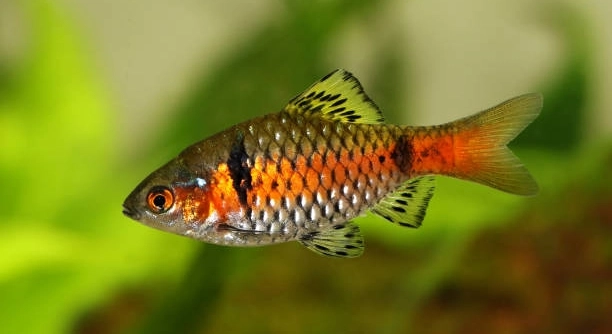
Is your Rosy Barb swimming back and forth along the glass, making you wonder if something might be wrong in the tank? This behavior can be confusing, especially if everything else looks normal in your aquarium setup.
The most common reason your Rosy Barb is pacing is due to stress, often caused by an undersized tank, poor water conditions, or a lack of stimulation. This repetitive swimming is a sign the fish is feeling unsettled or anxious.
Understanding what triggers this behavior can help you create a more stable and healthy environment for your Rosy Barb. Let’s look at the possible causes and simple steps you can take to fix it.
Common Reasons Your Rosy Barb Is Pacing
A Rosy Barb that constantly paces along the glass may be reacting to something in its environment. One of the most frequent causes is a tank that’s too small. These active fish need plenty of space to swim. If the tank is under 30 gallons, your fish might feel cramped. Poor water quality can also lead to stress. High ammonia, nitrite, or nitrate levels irritate their gills and skin. In addition, lack of decorations or hiding spots can make them feel unsafe. Another reason could be social stress. Rosy Barbs are schooling fish and do better in groups. If they’re alone or with too few tank mates, they may act out. Bright lights, sudden movement, or noise near the tank can also make them anxious. Pacing is their way of trying to cope. It’s important to look closely at these environmental factors before assuming anything more serious.
Sometimes, pacing is a sign your Rosy Barb is bored. A lack of stimulation can cause repetitive swimming.
Keeping your fish mentally and physically active can help reduce pacing. Adding plants, caves, and a few peaceful tank mates gives them more to explore. Also, adjusting the lighting to a softer level can make a big difference.
How to Help Your Rosy Barb Feel Better
Pacing behavior won’t usually go away on its own. To help your Rosy Barb feel more at ease, start by checking the tank size. These fish enjoy swimming space and do best in groups of five or more. If they’re in a small tank, consider upgrading to one that’s at least 30 gallons. Next, test your water regularly. Use a reliable test kit to monitor ammonia, nitrite, nitrate, and pH levels. Weekly water changes also help maintain stability. Include live or artificial plants and hiding spots to make the tank feel safer. Limit sudden movement around the tank and keep the lighting calm and gentle. Feeding your Rosy Barb a varied diet of high-quality flakes, pellets, and the occasional blanched vegetable also supports their health. Watch how your fish reacts over time. Small changes often bring quick improvements when done consistently and with care.
Make sure your Rosy Barb has enough swimming space, clean water, and proper company to feel secure and stay active.
Environmental Factors to Consider
Lighting, water flow, and noise all affect how secure your Rosy Barb feels. Bright lights and strong currents can overwhelm them. Sudden changes or loud sounds near the tank may lead to constant pacing as they try to seek comfort or escape.
Tank lighting should be calm and consistent. Avoid keeping the lights on for too long or using high-intensity bulbs. Use floating plants or decorations to soften the brightness. Water movement from filters should be gentle. If the current is too strong, adjust the flow or add plants to break it up. Noise from TVs, speakers, or foot traffic near the tank can also cause stress. Placing your aquarium in a quiet spot helps reduce this. Try to keep a regular routine when feeding or cleaning the tank, as sudden changes can throw off their sense of safety.
Water parameters also play a key role. Rosy Barbs prefer a pH between 6.5 and 7.5 and temperatures around 74–79°F. Ammonia and nitrite should always be at zero, while nitrates should stay under 20 ppm. Sudden shifts in these levels can make fish feel uncomfortable and act out. Even if the tank looks clean, test your water weekly using a liquid test kit. Replace 20–25% of the water each week and always dechlorinate before adding new water. Avoid overfeeding, as uneaten food can affect water quality. Stability is more important than perfection, and consistency in care helps prevent stress behaviors like pacing.
Social Needs and Tank Mates
Rosy Barbs are social and do best in small groups. Keeping just one or two may cause anxiety and pacing. Aim for a group of five or more to help them feel secure and active.
Choosing the right tank mates is also important. Rosy Barbs can be active and sometimes nip fins, so avoid keeping them with slow, long-finned fish like Bettas or Angelfish. Ideal companions include other fast-moving fish like Danios, Platies, or other Barbs. Make sure the tank is large enough to support everyone comfortably. Too many fish in a small space leads to aggression and stress. Watch how they behave in the group—if one fish is overly dominant or aggressive, it may need to be separated. A peaceful and balanced group dynamic helps reduce stress and encourages natural swimming patterns instead of anxious pacing.
Feeding Habits and Daily Routine
Rosy Barbs feel more secure when they’re fed at the same time each day. A steady routine helps reduce stress and gives them something predictable to look forward to. Avoid skipping meals or changing feeding times too often.
Feed a balanced diet of high-quality flakes or pellets, along with occasional treats like blanched peas or bloodworms. Overfeeding can lead to poor water quality and stress, so give only what they can finish in two minutes. Stick to feeding them once or twice a day, depending on their energy levels and appetite.
When to Worry About Pacing
If your Rosy Barb’s pacing doesn’t improve after checking the tank size, water quality, and social setup, it may be a sign of illness. Look for other signs like rapid gill movement, clamped fins, white spots, or lack of appetite. Catching issues early makes treatment easier and more effective.
Final Tip
Watch how your Rosy Barb reacts to small changes—sometimes a tiny adjustment makes a big difference.
FAQ
Why is my Rosy Barb swimming against the glass constantly?
This usually happens when the fish feels stressed or restless. It could be due to a small tank, poor water quality, or a lack of stimulation. Swimming against the glass is often a sign that the fish is trying to escape or is uncomfortable. Check for any sudden changes in their environment. Loud sounds, bright lights, or new tank mates can also cause anxiety. If you’ve ruled out these issues, your Rosy Barb might need more space or more company. These fish enjoy swimming freely and need both mental and physical engagement.
Can Rosy Barbs get lonely if kept alone?
Yes, they can. Rosy Barbs are social fish and do better in groups. Keeping just one or two can lead to stress or aggression. A group of five or more helps them feel safe and behave more naturally. They interact with each other, chase playfully, and feel more secure when they have a proper group. A single fish may become withdrawn or overly active, and pacing is often a sign of that loneliness. If you only have space for a few fish, consider rehoming them or upgrading your tank to allow for a proper school.
Do Rosy Barbs need hiding spots even if they seem active?
Yes, they do. Even active fish need places to rest or feel secure. Hiding spots help reduce stress and give them a break from bright lights or activity around the tank. Use plants, driftwood, or caves to provide cover. These spots also let fish establish small territories and reduce the chance of aggression. It doesn’t have to be complicated—a few well-placed decorations are enough. You’ll often see your fish use them more than you expect, especially when startled or resting.
Can overfeeding cause pacing behavior?
Yes. Overfeeding can quickly impact water quality, which leads to stress. Leftover food breaks down and increases ammonia levels. This affects their gills and can cause discomfort, leading to erratic behavior like pacing. Feed small amounts once or twice a day and remove any uneaten food after a few minutes. It’s better to underfeed slightly than to overfeed. A clear tank and good filtration help keep the environment healthy, but proper feeding is just as important to prevent behavioral issues.
How long does it take for pacing behavior to stop after making changes?
It depends on the cause. If it’s something simple like lighting or tank decor, you may see improvement within a few days. If it’s related to water quality or social stress, it could take a week or more. Keep monitoring their behavior daily. Sometimes pacing fades gradually as the fish starts feeling safe again. Be patient and consistent with your care routine. Avoid making too many changes at once, as that can add to the stress instead of solving the problem.
Is it normal for Rosy Barbs to be more active at certain times?
Yes, they are naturally more active during the day, especially in the morning and early evening. Their activity level may go up during feeding times or when they see movement around the tank. However, if the movement seems frantic or repetitive, like constant pacing, that’s not normal. Normal activity should include exploration, short bursts of chasing, and time spent resting. If their behavior seems off, check for other signs like damaged fins, color loss, or labored breathing.
Can water temperature changes affect pacing?
Absolutely. Sudden changes in temperature can shock fish and cause pacing. Rosy Barbs prefer stable temperatures between 74–79°F. If the water is too cold or too warm, they may try to find a comfortable zone by swimming quickly. Use a reliable heater and thermometer to keep the tank stable. Avoid placing the tank near windows, heaters, or vents, as these can cause temperature swings throughout the day. Even small shifts can affect your fish more than you might expect.
Are there any health issues linked to constant pacing?
Yes. While pacing is often caused by environmental stress, it can sometimes be related to early signs of illness. Constant pacing, combined with other symptoms like faded color, clamped fins, or scratching against surfaces, may point to parasites or bacterial infections. If water quality and tank setup are fine, but the behavior continues, it’s worth checking for health problems. You may need to isolate the fish or consult a vet who specializes in aquatic animals for a more accurate diagnosis.
Final Thoughts
Watching your Rosy Barb pace back and forth can feel worrying, especially when you’re not sure what’s causing it. This type of behavior usually points to stress or discomfort in their environment. It doesn’t always mean something serious is wrong, but it’s still important to look into the possible causes. A small tank, poor water quality, bright lights, or sudden changes in the tank can make your fish feel uneasy. Even being alone without other Rosy Barbs can lead to stress. These fish are active and social, so they need enough space, good water, and the right setup to feel at ease.
Making a few small changes to the tank can often help reduce pacing. Start by checking the tank size and make sure it’s big enough. Then look at your water parameters and do regular water changes. If your Rosy Barb is alone or in a very small group, consider adding more of the same species. Add hiding spots like plants or decorations to help the fish feel safe. Try to keep the lights soft and avoid loud noises or sudden movement around the tank. Also, keep a routine when feeding and caring for the tank. A calm and steady environment can make a big difference in your fish’s behavior.
If your Rosy Barb keeps pacing after you’ve made changes, take a closer look at its health. Check for signs like clamped fins, faded color, or changes in appetite. Sometimes behavior is the first sign that something isn’t right, even before visible symptoms show up. Catching problems early gives you a better chance of helping your fish recover. But in most cases, pacing is linked to stress, and it can be fixed with simple changes to the tank. It’s normal to feel unsure at first, but the more you observe and learn about your fish’s needs, the easier it becomes to care for them. With time, you’ll notice how your Rosy Barb behaves when it feels safe and healthy, and you’ll be able to tell when something seems off. That awareness makes you a more confident and attentive fish keeper.

Hello,
If you enjoy the content that we create, please consider saying a "Thank You!" by leaving a tip.
Every little bit helps us continue crafting quality advice that supports the health, happiness, and well-being of pets around the world, for pets of all shapes, sizes, and species.
We really appreciate the kindness and support that you show us!