
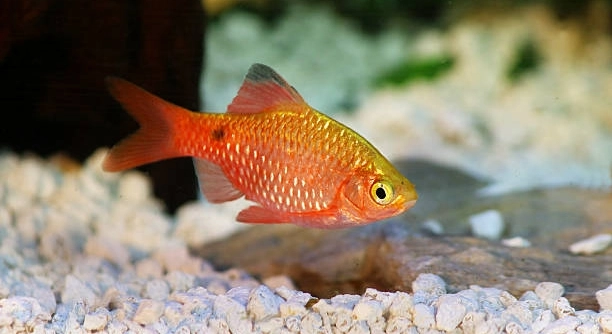
Is your rosy barb hovering vertically in its tank and acting differently than usual? Many fish owners notice this odd behavior and wonder if it signals a problem. Understanding why your fish behaves this way can help maintain its health.
Rosy barbs often hover vertically due to swim bladder issues, stress, or water quality problems. These factors affect buoyancy control, causing the fish to struggle maintaining normal horizontal swimming positions. Prompt identification and adjustment of conditions are essential for recovery.
Knowing the causes and how to respond will help you keep your rosy barb healthy and comfortable in its environment. This article will explain what to watch for and possible solutions.
Common Causes of Vertical Hovering in Rosy Barbs
Rosy barbs may hover vertically for several reasons, with swim bladder disorder being the most common. The swim bladder helps fish control their buoyancy, and when it malfunctions, the fish can no longer maintain a normal swimming position. Stress also plays a significant role, often caused by sudden changes in water temperature, poor water quality, or aggressive tank mates. Infections or parasites can affect the fish’s internal organs, leading to buoyancy problems. Overfeeding or swallowing air while eating can contribute as well. Monitoring water conditions and feeding habits carefully can prevent many of these issues. Regular tank maintenance is crucial to keep the environment stable and clean. Observing your rosy barb’s behavior daily can help spot problems early before they worsen.
Identifying these causes quickly allows for targeted treatment and improves the chances of recovery.
Proper diagnosis and care are essential to help your rosy barb regain normal swimming behavior and avoid further stress or injury.
How to Improve Your Rosy Barb’s Condition
Adjusting water parameters is the first step to addressing vertical hovering. Maintaining stable temperature, pH, and ammonia levels helps reduce stress and supports healing. Feeding small portions of easily digestible food prevents bloating and reduces pressure on the swim bladder. If swim bladder disorder is suspected, fasting the fish for a day or two can help relieve symptoms. In cases where infection is involved, consulting a veterinarian or using appropriate medication may be necessary. Adding live plants or hiding spots can create a calmer environment, reducing stress. Ensuring the tank is not overcrowded also helps the fish feel secure. Patience and consistency in care are important as improvement may take several days or weeks.
These measures create a healthier habitat that supports your rosy barb’s recovery and long-term wellbeing.
Preventing Vertical Hovering in Rosy Barbs
Keeping water quality high is essential to prevent vertical hovering. Regular water changes and monitoring parameters like ammonia, nitrites, and pH can make a big difference. Avoid overcrowding the tank to reduce stress and aggressive behavior among fish.
Proper filtration helps maintain clear and healthy water conditions, removing waste that could harm your fish. Feeding a balanced diet with controlled portions prevents digestive issues that often cause swim bladder problems. Introducing a varied diet with occasional live or frozen foods can boost overall health. Monitoring tank mates is also important since aggressive species may cause stress. Observing your rosy barb closely allows early detection of any unusual behavior, helping you act quickly to avoid complications.
A well-maintained tank and mindful care routines reduce the likelihood of vertical hovering and support your fish’s natural behavior.
Understanding Swim Bladder Disorder in Detail
Swim bladder disorder occurs when the organ responsible for buoyancy control is damaged or affected by illness. This can cause fish to float unnaturally, hover vertically, or sink to the bottom. The disorder often results from poor diet, infection, or physical injury. Swim bladder problems are common in many aquarium fish, not just rosy barbs, and early treatment improves outcomes. Symptoms include difficulty swimming, loss of balance, and unusual positioning. Overfeeding or constipation may trigger the condition by putting pressure on the swim bladder.
Treatment focuses on correcting the underlying cause, such as adjusting diet or treating infections. Maintaining ideal water conditions and reducing stress are crucial during recovery. In some cases, gently massaging the abdomen or fasting the fish temporarily can relieve pressure. Swim bladder disorder requires patience, but with proper care, many fish regain normal function. Understanding this condition helps you respond promptly and protect your rosy barb’s health.
Stress and Its Impact on Rosy Barbs
Stress is a frequent reason for unusual behavior in rosy barbs. Changes in tank conditions or aggressive tank mates can cause significant distress. Stress weakens the immune system and can trigger vertical hovering.
Reducing noise, providing hiding spaces, and maintaining stable water conditions help lower stress. A calm environment supports your fish’s well-being and normal activity.
Feeding Habits and Swim Bladder Health
Overfeeding or improper diet can lead to swim bladder issues in rosy barbs. Feeding small, balanced meals prevents bloating and constipation, common causes of buoyancy problems. Including high-quality pellets and occasional live food promotes digestion and overall health.
Role of Water Quality
Poor water quality directly affects fish health. High ammonia or nitrite levels irritate gills and disrupt buoyancy control. Regular testing and water changes are essential to keep the environment safe for rosy barbs.
Tank Environment Adjustments
Providing plants and hiding spots reduces stress and mimics natural habitats. This encourages normal swimming and behavior, helping your rosy barb feel secure.
Why is my rosy barb hovering vertically all of a sudden?
Sudden vertical hovering often indicates a problem with buoyancy control, commonly caused by swim bladder disorder. Stress, water quality changes, or infections may also trigger this behavior. Immediate attention to tank conditions and the fish’s health can help identify the root cause and prevent worsening symptoms.
Can poor water quality cause vertical hovering?
Yes, poor water quality is a frequent cause of abnormal behavior in fish, including vertical hovering. High ammonia, nitrites, or sudden pH changes irritate the fish and affect their ability to swim properly. Regular water tests and partial water changes are necessary to maintain a stable environment.
How does swim bladder disorder affect rosy barbs?
Swim bladder disorder impacts the organ that regulates buoyancy, making it hard for fish to maintain balance. This causes the fish to float vertically, upside down, or sink uncontrollably. The disorder can stem from physical injury, infections, or digestive problems.
What are the signs of swim bladder disorder?
Signs include difficulty swimming, unusual vertical or sideways positioning, loss of balance, and struggling to stay afloat. Fish may also avoid food or appear lethargic. Early detection improves chances of recovery.
How can I treat swim bladder disorder in my rosy barb?
Treatment depends on the cause. Fasting the fish for a day or two can relieve constipation-related problems. Adjusting diet to include easily digestible food helps. If infection is suspected, appropriate medication should be used. Keeping water parameters stable is vital throughout treatment.
Can stress cause my rosy barb to hover vertically?
Stress from overcrowding, aggressive tank mates, or sudden environmental changes can cause vertical hovering. Stress weakens the immune system, making fish more prone to illness and buoyancy issues. Providing hiding spots and maintaining calm conditions reduce stress.
Is overfeeding linked to swim bladder problems?
Yes, overfeeding can cause bloating and constipation, putting pressure on the swim bladder. Feeding small portions and avoiding high-fat foods helps prevent these issues. A balanced diet supports healthy digestion and buoyancy.
What water parameters are best for rosy barbs?
Rosy barbs thrive in water with a temperature between 64-72°F (18-22°C), pH of 6.5-7.5, and low ammonia and nitrite levels (preferably zero). Stable conditions prevent stress and health problems.
How often should I change the water to prevent buoyancy issues?
Regular water changes of 20-30% every week help maintain clean, stable water conditions. This prevents toxin buildup that can lead to stress and swim bladder disorders.
Can tank setup influence my rosy barb’s behavior?
Yes, a well-planted tank with adequate hiding spots reduces stress and encourages normal behavior. Overcrowded or barren tanks increase anxiety and risk of vertical hovering.
Are there any medications safe for treating swim bladder issues?
Some antibiotics or antiparasitic treatments can be used if infections cause the problem. Always consult an aquatic veterinarian before administering medication, as improper use can harm your fish.
What should I do if my rosy barb is still hovering vertically after treatment?
If the behavior persists despite water quality improvements and dietary changes, seek professional advice. Chronic swim bladder problems may indicate serious illness or injury requiring specialized care.
Can I prevent swim bladder disorder altogether?
Prevention involves good tank maintenance, stable water parameters, a balanced diet, and minimizing stress. Regular observation helps catch early signs before problems develop.
Will vertical hovering affect my rosy barb’s lifespan?
If untreated, swim bladder problems and related stress can shorten a fish’s lifespan. Prompt care and proper environment management help maintain health and longevity.
Is vertical hovering common in young rosy barbs?
Young or newly introduced rosy barbs may temporarily hover vertically due to adjustment stress or mild swim bladder issues. This often resolves with stable conditions and proper care.
Vertical hovering in rosy barbs is a clear sign that something in their environment or health needs attention. This behavior usually points to issues with buoyancy control, often caused by swim bladder problems. It is important to recognize that many factors can lead to this condition, such as stress, poor water quality, or diet-related problems. Acting quickly to identify the cause is essential to help your fish recover and prevent long-term damage. Keeping a close watch on your fish’s behavior every day will make it easier to notice when something is wrong.
Maintaining a clean and stable tank environment is one of the best ways to avoid vertical hovering. Regular water changes and monitoring water parameters like temperature, pH, ammonia, and nitrite levels support your fish’s health and comfort. Feeding your rosy barb a balanced diet in controlled portions helps prevent digestive problems that can affect the swim bladder. It is also important to avoid overcrowding and to provide plants or hiding spots that reduce stress. Reducing stress plays a key role because stressed fish are more prone to illness and behavioral changes.
If you notice your rosy barb hovering vertically, it is best to act without delay. Simple measures such as fasting the fish for a day or two or adjusting feeding habits can relieve mild swim bladder issues. In cases of infection or injury, consulting an expert and providing appropriate treatment is necessary. Patience is important because recovery can take time. By paying attention to the fish’s needs and environment, you can support its health and help it return to normal swimming behavior. Taking these steps ensures your rosy barb stays healthy and comfortable in its home.

Hello,
If you enjoy the content that we create, please consider saying a "Thank You!" by leaving a tip.
Every little bit helps us continue crafting quality advice that supports the health, happiness, and well-being of pets around the world, for pets of all shapes, sizes, and species.
We really appreciate the kindness and support that you show us!