
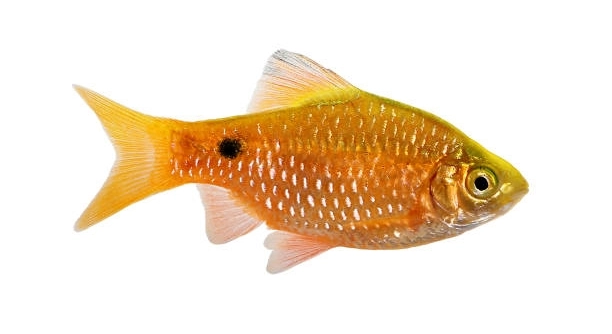
Rosy barbs are small, colorful fish often kept in home aquariums. They interact with each other in many ways, even without making any sounds. Understanding their silent communication can help you care for them better.
Rosy barbs communicate through body language, color changes, and movements rather than sounds. These visual signals help them express mood, establish territory, and interact socially within their environment.
Learning these silent cues will deepen your appreciation of rosy barbs and improve how you respond to their behavior.
Body Posture and Movement
Rosy barbs use their body posture and movement to send clear signals. When they swim confidently and upright, it usually means they are calm and comfortable. Rapid darting or sudden changes in direction can show excitement or alertness to danger. Sometimes, they flare their fins wide to appear bigger, which can be a sign of dominance or a way to warn others to stay away. When a rosy barb lowers its body or stays near the bottom, it might be feeling stressed or unwell. Watching these movements closely helps you understand their mood and social standing within the tank. You can tell if they are relaxed, stressed, or ready to interact by observing these subtle shifts. This form of communication is vital because it keeps the group balanced and prevents conflicts.
This movement-based communication helps keep the fish safe and organized in their space.
By paying attention to how rosy barbs move and hold their bodies, you can better meet their needs and create a peaceful environment in your aquarium.
Color Changes
Color shifts in rosy barbs are another important way they communicate. When these fish feel happy or healthy, their colors often appear brighter and more vivid. During mating or moments of excitement, their colors may intensify to attract attention. On the other hand, dull or faded colors can indicate stress, illness, or discomfort. The changes don’t happen randomly; they are a natural response to the fish’s internal state or surroundings. For example, a rosy barb that feels threatened might darken slightly to blend into the background or show submission. Color change is a quick and effective way for these fish to send messages without moving or making noise. Watching for these shifts helps you recognize when your fish are thriving or need attention, making color an essential tool for understanding them better.
Fin Positioning
Fin positioning is a key way rosy barbs communicate. Raised fins often show alertness or aggression, while folded fins suggest calmness or submission.
When rosy barbs raise their dorsal and pectoral fins, it usually means they are feeling dominant or ready to defend their space. This posture can signal other fish to keep their distance. Conversely, when fins are held close to the body, the fish is relaxed and not looking for confrontation. Sometimes, fin flicking or slight movements can indicate irritation or minor stress. Observing these details helps you understand their mood without any noise.
Paying attention to fin movements helps create a peaceful aquarium by recognizing when fish need space or reassurance. It also supports managing their social dynamics and avoiding fights.
Eye Contact and Gazing
Eye contact plays a subtle but important role in how rosy barbs communicate. They often use their gaze to monitor each other’s behavior and establish social hierarchy. A steady, direct gaze can indicate curiosity or dominance, while avoiding eye contact may signal submission or stress. This form of silent communication helps maintain order within the group.
When a rosy barb looks directly at another, it’s assessing the situation and deciding whether to approach or retreat. Prolonged staring can sometimes lead to confrontations or courtship, depending on the context. On the other hand, shy or stressed fish will often avoid direct eye contact to reduce tension. Watching their gaze patterns can give valuable clues about their relationships and emotional state, helping you respond appropriately to their needs. Understanding this subtle form of communication is important for keeping your fish comfortable and balanced in their environment.
Tail Movements
Tail movements in rosy barbs show different feelings. A quick flick can mean irritation, while slow swaying shows calmness.
When a rosy barb lashes its tail sharply, it might be annoyed or warning others. Gentle, smooth tail motions often mean the fish is relaxed and exploring its surroundings peacefully.
Group Swimming Patterns
Rosy barbs often swim in groups to show social bonding and safety. Coordinated swimming helps maintain their social order and signals unity. When they swim closely together, it means they feel secure. If a fish separates, it could be stressed or sick. Watching these group behaviors helps track the overall health and mood of the tank’s community.
Bubble Blowing
Some rosy barbs blow bubbles as a way to express themselves. This behavior can indicate contentment or act as a subtle sign in social interactions.
Gill Movement Signals
Gill movements change with the fish’s mood. Rapid gill motion often signals stress or excitement.
FAQ
How do rosy barbs show they are happy?
Rosy barbs show happiness through bright colors, relaxed body posture, and smooth swimming. Their fins will often be spread gently, and they swim calmly around the tank. They may also engage in playful chasing or swim together in groups, signaling contentment and a good environment.
Why do rosy barbs sometimes dart quickly?
Quick darting can indicate excitement, curiosity, or sudden alertness to movement or changes in their environment. It might also happen if they feel startled or threatened by something nearby. Watching for repeated darting helps identify if stress or discomfort is present.
What does it mean when rosy barbs flare their fins?
Flaring fins is a way to appear larger and more intimidating. This behavior is often a sign of dominance or a warning to other fish to keep their distance. It can also occur during courtship or territorial disputes within the tank.
Why do rosy barbs change color?
Color changes in rosy barbs reflect their mood or health. Bright colors usually mean the fish is healthy and comfortable. Duller or faded colors may show stress, illness, or poor water conditions. Color can also shift during mating to attract partners.
Can rosy barbs communicate with bubbles?
Yes, some rosy barbs blow small bubbles. This action might indicate contentment or be part of social signaling within the group. While not common, it’s a subtle way they express feelings without sound.
How important is tail movement in communication?
Tail movements give clues about how the fish feels. Sharp tail flicks often show irritation or warning, while slow, gentle tail swaying suggests relaxation. Watching tail patterns helps understand their emotional state better.
What should I do if rosy barbs avoid eye contact?
Avoiding eye contact often means a fish is stressed, scared, or submissive. It’s a sign to check their environment for possible stressors like aggressive tank mates, poor water quality, or lack of hiding places. Adjusting these can help them feel safer.
Do rosy barbs use body posture to show illness?
Yes, unhealthy or stressed rosy barbs may show changes in posture, such as staying near the tank bottom, hiding more, or swimming less actively. Recognizing these signs early helps prevent worsening health problems.
How can I tell if rosy barbs are stressed?
Stress signs include faded color, rapid gill movement, erratic swimming, hiding, or clamped fins. Identifying these behaviors quickly allows you to improve tank conditions or check for illness.
Why do rosy barbs swim in groups?
Swimming in groups provides safety and comfort. It helps them feel less vulnerable and maintains social order. Separation from the group might indicate health or stress problems needing attention. Group behavior is a key indicator of overall tank health.
Final Thoughts
Rosy barbs communicate in many ways without making any sounds. Their body posture, color changes, fin movements, and even eye contact all serve as signals to each other. These forms of silent communication help them stay safe, find mates, and live peacefully together. Understanding these signs can make it easier to care for them properly and recognize when something is wrong. Paying close attention to their behaviors can deepen your connection to these beautiful fish and improve their well-being in your aquarium.
Watching rosy barbs interact quietly shows how much they rely on visual cues to express themselves. When they raise their fins or change color, they are sending important messages to other fish. Even subtle actions like tail flicks or bubble blowing can reveal their mood or health. By learning to notice these small details, you become more aware of their needs and comfort levels. This knowledge helps you create a better home for them, reducing stress and encouraging natural behavior. It also means you can spot early signs of illness or conflict before they become serious problems.
Taking time to observe your rosy barbs’ silent communication adds to the enjoyment of keeping them. It makes the aquarium a more interesting and lively place, where you can see how they express feelings and manage their social lives. Each fish has its own personality, and understanding their nonverbal language helps you respect their space and care for them with confidence. In the end, recognizing how rosy barbs communicate without sound brings more satisfaction and success to your aquarium experience.

Hello,
If you enjoy the content that we create, please consider saying a "Thank You!" by leaving a tip.
Every little bit helps us continue crafting quality advice that supports the health, happiness, and well-being of pets around the world, for pets of all shapes, sizes, and species.
We really appreciate the kindness and support that you show us!