
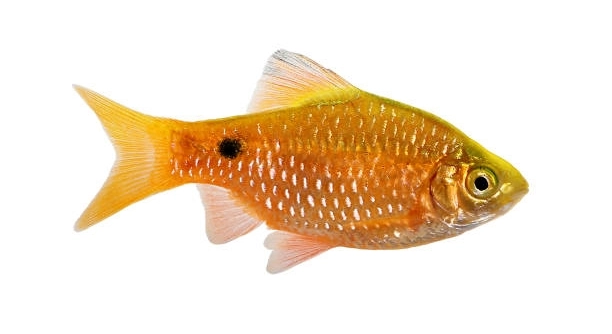
Rosy barbs are popular freshwater fish known for their vibrant colors and active behavior. Many fish enthusiasts enjoy watching them grow and thrive in home aquariums. Understanding their growth patterns helps provide the best care for these lively pets.
A rosy barb typically reaches full size between 6 and 12 months of age, growing up to about 4 inches (10 cm) in length. Growth depends on diet, water quality, and tank conditions, which all contribute to healthy development.
Knowing when your rosy barb will be fully grown can help you plan tank space and maintenance to keep them happy and healthy.
Growth Stages of a Rosy Barb
Rosy barbs go through distinct growth stages before reaching full size. In the first month, they grow rapidly, often doubling their size. During this period, proper nutrition is essential to support healthy development. By three months, they start to show their bright colors and more defined body shapes. Between six and twelve months, growth slows down as they near their adult size. Their full size is usually around 4 inches (10 cm), though this can vary slightly depending on care. Water temperature, diet, and tank size all play a role in their growth rate. Keeping water clean and stable helps reduce stress, which is important for consistent growth. Regular feeding with quality fish food, including flakes or pellets, promotes a strong immune system and vibrant colors. Watching them grow can be rewarding as you see their personality develop along with their size.
Growth slows considerably after one year, but maintaining good conditions ensures their health and color retention.
Adult rosy barbs are lively swimmers who appreciate space. A larger tank allows them to move freely and reduces territorial stress. Overcrowding can stunt growth and cause health problems. Providing plants and hiding spots helps mimic their natural habitat, which supports their wellbeing. Proper tank maintenance, including regular water changes, is crucial for keeping adults healthy. Overall, knowing their growth pattern helps create a suitable environment from fry to mature fish.
Factors Affecting Rosy Barb Size
Several factors influence the size your rosy barb will reach. Genetics is the baseline, determining the potential maximum size. However, diet, tank conditions, and water quality significantly impact whether they reach that size.
Feeding your rosy barbs a balanced diet rich in proteins and vitamins helps them grow strong and maintain vibrant colors. Overfeeding can lead to health issues, so it is important to feed measured portions. Water quality must be monitored regularly, with frequent water changes to remove toxins. Temperature should stay between 68°F and 75°F (20°C to 24°C), as fluctuations can stress the fish. Tank size also matters—small tanks limit growth by restricting movement and increasing waste concentration. By addressing these factors, you ensure your rosy barb grows healthily and lives a longer life.
Ideal Tank Conditions for Rosy Barbs
Rosy barbs thrive best in tanks that are well-maintained and spacious. A minimum of 20 gallons is recommended for a small group to ensure enough swimming room. Clean water and stable parameters are essential to keep them healthy and growing.
Maintaining good water quality means performing regular water changes, about 25% weekly, to reduce harmful toxins. The water temperature should be steady between 68°F and 75°F (20°C to 24°C), as sudden changes can stress the fish. Filtration is important to keep the water clear and oxygenated. Adding live plants offers hiding spots and mimics their natural environment, which lowers stress. The tank’s pH should be slightly alkaline, ideally between 7.0 and 8.0, as rosy barbs prefer these conditions. Light levels should be moderate, avoiding intense, direct lighting that might stress the fish.
Keeping the tank clean and stable prevents illness and promotes consistent growth. A well-planted tank also encourages natural behavior, making rosy barbs feel more comfortable and active.
Feeding Tips to Encourage Healthy Growth
Feeding rosy barbs a balanced diet supports their growth and overall health. Offer high-quality flakes or pellets designed for tropical fish as their staple food. Supplementing with occasional live or frozen foods, like brine shrimp or bloodworms, boosts nutrition.
Overfeeding should be avoided because excess food pollutes the water and can cause digestive problems. Feed small amounts two to three times a day, giving only what they can eat in a few minutes. Variety in diet helps prevent nutritional deficiencies and keeps the fish interested in their food. Using a feeding schedule also helps regulate their metabolism and growth. Fresh, clean food enhances their coloration and vitality.
Regular observation during feeding times can help identify any health issues early, such as loss of appetite or unusual behavior. A well-fed rosy barb will be active, vibrant, and reach its full potential size under proper tank conditions.
Common Growth Problems in Rosy Barbs
Stunted growth is a frequent issue caused by poor water quality or insufficient nutrition. Overcrowded tanks also limit their ability to grow properly.
Stress from aggressive tank mates or sudden environmental changes can slow growth and affect their health. Keeping a peaceful tank and stable conditions is key.
Signs Your Rosy Barb Is Fully Grown
A rosy barb that stops increasing in length after consistent care and feeding is likely fully grown. Their fins and colors become more vivid and well-defined, showing maturity.
How to Measure Your Rosy Barb’s Size Accurately
Use a ruler or measuring tape to check your rosy barb’s length from the tip of the nose to the end of the tail. Measure gently to avoid stressing the fish. Consistent measurements help track growth progress and spot issues early.
When to Adjust Tank Size
If your rosy barb grows close to 4 inches, it’s time to consider a larger tank or upgrade. More space reduces stress and supports healthy swimming and growth.
FAQ
How fast do rosy barbs grow?
Rosy barbs grow quickly during their first few months, often reaching half their full size within three months. After about six months, growth slows as they approach full maturity around one year old. Factors like diet, water quality, and tank size affect their growth rate. Consistent care supports steady development.
What is the average size of a fully grown rosy barb?
A fully grown rosy barb usually measures about 4 inches (10 cm) in length. Some may be slightly smaller or larger depending on genetics and care. Proper feeding and clean water help them reach their maximum size comfortably.
Can rosy barbs grow bigger than 4 inches?
It is uncommon for rosy barbs to exceed 4 inches. Occasionally, with excellent care and ideal conditions, some may grow a bit larger, up to 4.5 inches, but this is rare. Most will settle near the 4-inch mark.
Does tank size affect their growth?
Yes, tank size influences their growth significantly. Smaller tanks can stunt growth due to limited swimming space and faster accumulation of waste. A tank of at least 20 gallons is recommended for a small group to encourage healthy growth and reduce stress.
How often should I feed rosy barbs?
Feed your rosy barbs two to three times a day, offering only what they can consume in a few minutes. Overfeeding can pollute the water and cause health problems. A balanced diet with flakes or pellets and occasional live or frozen treats works best.
What should I do if my rosy barb stops growing?
If growth stalls, check water quality and tank conditions first. Poor water, overcrowding, or improper diet are common reasons. Improving water parameters, increasing tank size, and providing varied, nutritious food often helps resume healthy growth.
At what age are rosy barbs sexually mature?
Rosy barbs reach sexual maturity at about 6 to 8 months old. At this stage, males become more colorful and active, especially during breeding periods. Keeping males and females together in proper conditions supports natural breeding behavior.
Can stress affect rosy barb growth?
Stress from aggressive tank mates, poor water quality, or sudden changes can slow growth and weaken the immune system. Providing a calm environment, stable water parameters, and compatible tank mates reduces stress and promotes healthy development.
How do I know if my rosy barb is healthy?
A healthy rosy barb is active, swims freely, and has bright, clear colors. Their fins should be intact without tears or spots. They should eat well and not show signs of lethargy or unusual behavior. Regular water changes and good nutrition help maintain health.
What’s the best water temperature for rosy barbs?
Rosy barbs thrive between 68°F and 75°F (20°C to 24°C). Keeping the temperature steady within this range avoids stress and supports optimal growth. Avoid sudden temperature fluctuations to keep them comfortable.
Do rosy barbs need plants in their tank?
Live plants provide hiding places and help maintain water quality by absorbing nitrates. Plants also make the environment more natural and reduce stress. Including plants like java fern or hornwort creates a better home for rosy barbs.
Can rosy barbs live with other fish?
Yes, they are generally peaceful and do well with other similar-sized, non-aggressive fish. Avoid very small or very aggressive species. Keeping them in groups of at least five reduces stress and encourages natural schooling behavior.
How long do rosy barbs live?
With proper care, rosy barbs can live 5 to 7 years. Good water quality, a balanced diet, and a stress-free environment help them reach their full lifespan. Regular tank maintenance is key to their long-term health.
What should I do if my rosy barb shows signs of illness?
Signs like faded colors, clamped fins, or unusual swimming indicate illness. Test water quality immediately and perform a partial water change. If symptoms persist, isolate the fish and consult an aquarium specialist for treatment advice.
Can rosy barbs grow well in cold water tanks?
Rosy barbs prefer temperate water, so very cold water tanks are not suitable. Water below 65°F (18°C) can stress them and slow growth. Maintain their preferred temperature range to keep them healthy and active.
Is it necessary to have a large tank for one rosy barb?
A single rosy barb still needs enough space to swim comfortably, but they are social fish and thrive best in groups. A minimum of 20 gallons for a small group is recommended. A larger tank helps maintain water quality and reduces stress.
Rosy barbs are a popular choice for many fishkeepers because of their bright colors and active nature. Understanding when they are fully grown helps provide the right care throughout their life. Most rosy barbs reach their full size, about 4 inches, by the time they are 6 to 12 months old. During this period, they grow quickly and need proper food, clean water, and enough space to swim. Giving them these basics supports healthy growth and keeps them strong.
Taking care of rosy barbs means paying attention to tank conditions. They do best in tanks of at least 20 gallons with steady water temperature between 68°F and 75°F. Regular water changes and proper filtration are important to keep the water clean and safe. Overcrowding or poor water quality can stress the fish, which may slow their growth or cause health problems. Adding plants and hiding places helps create a natural environment, reducing stress and making rosy barbs feel comfortable. A peaceful tank with compatible fish also encourages healthy behavior.
Feeding is another key factor in rosy barb growth. They need a balanced diet of quality flakes or pellets, along with occasional live or frozen treats like brine shrimp. Feeding small amounts two to three times a day avoids overfeeding, which can harm water quality and fish health. Watching your fish during feeding times helps spot any problems early. When these care points are followed, rosy barbs can live for many years, stay vibrant, and reach their full size. Providing a stable, healthy environment benefits both the fish and the tank owner.

Hello,
If you enjoy the content that we create, please consider saying a "Thank You!" by leaving a tip.
Every little bit helps us continue crafting quality advice that supports the health, happiness, and well-being of pets around the world, for pets of all shapes, sizes, and species.
We really appreciate the kindness and support that you show us!