
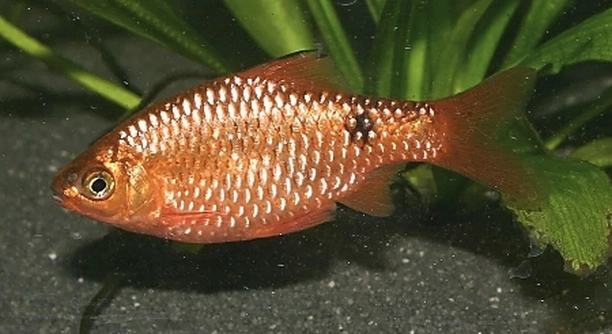
Rosy barbs are popular freshwater fish known for their vibrant colors and active nature. Proper sleep is essential for their health and wellbeing, yet many factors can disturb their rest. Understanding these disruptions can help maintain a healthy environment.
Several factors disrupt rosy barb sleep patterns, including improper lighting, water quality fluctuations, overcrowding, inconsistent feeding schedules, loud noises, temperature changes, and stress from tank mates. Each factor interferes with natural behaviors, leading to restless and unhealthy fish.
Identifying these issues is key to creating a stable habitat that supports restful sleep and overall fish health. The following details explain each disruption and its impact on rosy barbs.
Improper Lighting Conditions
Lighting plays a crucial role in regulating rosy barbs’ sleep cycles. These fish rely on a natural day-night rhythm to rest properly. When the tank lighting is too bright for too long, it disrupts their ability to recognize when it is time to sleep. Conversely, a lack of consistent light can confuse their internal clocks. Sudden changes, such as turning the light on or off abruptly during their rest period, cause stress and interruptions. To promote healthy sleep, maintaining a stable light schedule that mimics natural daylight hours is essential. Using a timer can help keep lighting consistent and avoid sudden shifts that affect their rest.
Maintaining a consistent lighting schedule supports rosy barbs’ natural rhythms and prevents unnecessary stress that disrupts sleep patterns.
Gradual transitions between light and dark periods help the fish adjust comfortably. Avoid placing the tank in direct sunlight, as it can cause overheating and glare. In addition to controlling light duration, providing some shaded areas within the tank creates resting spots where rosy barbs can feel secure. This combination of stable lighting and shaded retreats supports restful sleep and reduces nighttime disturbances.
Water Quality Fluctuations
Changes in water parameters such as pH, ammonia, and nitrate levels significantly impact rosy barb sleep quality. Even minor fluctuations can cause discomfort and stress, making it hard for the fish to relax and rest. Keeping the water clean and chemically balanced is critical for their wellbeing. Regular testing and timely water changes help maintain stable conditions. Additionally, poor filtration can lead to a buildup of harmful substances, further disturbing sleep and overall health. Tank maintenance routines directly affect the environment, so neglecting these tasks often leads to restless fish and increased susceptibility to disease.
Stable water quality is essential for rosy barbs to achieve restful sleep and stay healthy in the long term. Constantly monitoring and managing water conditions prevents harmful shifts that interfere with their natural behaviors. By ensuring clean, balanced water, you create a comfortable space where rosy barbs can thrive and rest without disruption. Establishing a regular cleaning schedule and using efficient filtration are practical steps toward this goal. Proper water care also minimizes stress, which contributes to better sleep patterns. Taking these measures supports not only sleep but also the fish’s immune system and vitality. Consistent water quality management is one of the most effective ways to protect rosy barbs’ health and enhance their natural rest cycles.
Overcrowding and Space Issues
Overcrowding stresses rosy barbs and disrupts their sleep. When there are too many fish in one tank, competition and limited space prevent restful behavior.
Too many fish create constant movement and tension. Rosy barbs need enough room to swim and find quiet spots to rest. Crowded tanks cause aggressive behavior, which increases stress and restlessness. This environment makes it difficult for them to settle down and sleep properly. Providing adequate space according to tank size and population guidelines is crucial for maintaining calm and healthy fish.
Proper tank size and population control improve sleep quality by reducing stress and aggression. Rosy barbs thrive when they have enough room to move freely without feeling threatened or confined.
Inconsistent Feeding Schedules
Irregular feeding times disturb rosy barbs’ internal clocks, affecting their sleep patterns. Feeding should happen at consistent times daily to support normal behavior.
Feeding at random intervals confuses their metabolism and activity cycles. Rosy barbs expect meals around the same time, and inconsistency makes them more active or stressed during usual rest periods. Overfeeding or underfeeding can also disrupt energy balance, leading to restlessness or lethargy. A reliable feeding schedule helps maintain their natural rhythm and promotes better sleep.
Feeding quality food in proper amounts during scheduled times ensures rosy barbs stay healthy and less anxious, encouraging a balanced sleep cycle.
Loud Noises and Vibrations
Loud noises and vibrations create stress for rosy barbs and interrupt their sleep. These disturbances cause the fish to become alert and restless.
Frequent sudden sounds can trigger a fight-or-flight response. This continuous stress prevents them from settling into a proper rest cycle, which negatively affects their health over time.
Temperature Fluctuations
Rosy barbs need stable water temperatures for restful sleep. Sudden or frequent changes in temperature cause discomfort and stress, disrupting their normal behavior. Keeping the tank within their preferred temperature range ensures a calm environment where they can rest and maintain healthy sleep patterns.
Stress from Tank Mates
Aggressive or incompatible tank mates create stress for rosy barbs, disrupting sleep. Stress lowers their ability to relax, affecting overall health and rest quality.
What causes rosy barbs to be restless at night?
Rosy barbs often become restless at night due to disturbances in their environment. Common causes include inconsistent lighting, poor water quality, overcrowding, and loud noises. When these conditions are not ideal, the fish feel stressed or unsafe. This stress activates their natural survival instincts, making it difficult for them to relax and settle down to sleep. Additionally, sudden changes in temperature or incompatible tank mates can increase their anxiety, resulting in more movement and restlessness during the night.
How can I improve my rosy barbs’ sleep environment?
Improving your rosy barbs’ sleep environment involves controlling several key factors. Start by maintaining a stable light schedule that mimics natural day and night cycles. Use a timer for consistent lighting. Keep water parameters steady through regular testing and water changes. Avoid overcrowding by following recommended tank size guidelines and population limits. Provide shaded areas or plants for hiding spots, which help the fish feel secure. Lastly, minimize loud noises or vibrations near the tank to reduce disturbances that interfere with restful sleep.
Is it normal for rosy barbs to be active at night?
While rosy barbs are generally more active during the day, some nighttime activity can occur but should be minimal. Increased activity at night often signals that something in their environment is disrupting their rest. This could be stress from water issues, tank mates, or external disturbances. Healthy rosy barbs tend to rest quietly during dark hours. If you notice frequent night-time swimming or erratic behavior, it may be a sign to review tank conditions and make adjustments.
Can diet affect rosy barbs’ sleep patterns?
Yes, diet plays a role in rosy barbs’ sleep patterns. Feeding too late in the day or overfeeding can increase their energy levels when they should be winding down. Irregular feeding schedules confuse their internal rhythms, causing restlessness. Providing a balanced diet at consistent times helps regulate their activity levels and promotes better sleep. Avoid feeding right before the lights go off to prevent extra activity during rest periods.
How does water temperature impact rosy barb sleep?
Water temperature directly affects rosy barbs’ metabolism and comfort. Sudden fluctuations or temperatures outside their preferred range (around 74-79°F) can cause stress. This stress interrupts normal rest and may lead to erratic swimming or hiding behaviors. Maintaining a stable temperature with a reliable heater and thermometer supports healthy sleep patterns and overall wellbeing.
What signs indicate that my rosy barbs are stressed and losing sleep?
Signs of stress and disrupted sleep in rosy barbs include constant swimming or darting, hiding more than usual, loss of appetite, and faded coloration. They may also rub against objects or show unusual aggression. These behaviors indicate discomfort and poor rest, often linked to environmental issues like water quality or tank disturbances.
Can tank decorations influence rosy barb sleep quality?
Yes, tank decorations can create hiding places that help rosy barbs feel secure and reduce stress. Plants, caves, and shaded areas provide spots where fish can rest undisturbed. However, overcrowding the tank with decorations can reduce swimming space and increase stress. Balance is important—enough shelter to feel safe but enough open space to swim comfortably.
Are there specific tank mates that disrupt rosy barb sleep?
Aggressive or territorial tank mates often disrupt rosy barb sleep by causing constant stress and chasing behaviors. Choosing peaceful, compatible species helps maintain a calm environment. Avoid housing rosy barbs with overly aggressive fish or those that compete heavily for space and food. Calm community fish support better sleep and health.
How often should I test my tank water to support rosy barb sleep?
Regular water testing is essential to maintain stable conditions. Testing weekly for ammonia, nitrite, nitrate, and pH is recommended. Frequent monitoring allows early detection of harmful changes that stress the fish. Stable water quality creates a healthier, more restful environment.
What is the best lighting schedule for rosy barbs to promote good sleep?
A lighting schedule of about 10-12 hours of light followed by 12-14 hours of darkness closely mimics natural day-night cycles. Using a timer ensures consistency, which helps regulate the fish’s internal clock. Gradual dimming or turning off lights abruptly should be avoided to prevent stress and disruption of sleep patterns.
Rosy barbs are lively and colorful fish that add beauty to any aquarium. Their health and happiness depend greatly on a stable environment, where they can rest well. Sleep is important for their overall wellbeing, helping them recover and stay active during the day. Several factors can disrupt their sleep, such as lighting, water quality, overcrowding, and stress from tank mates. Being aware of these elements and managing them carefully helps ensure that rosy barbs get the restful sleep they need.
Maintaining consistent conditions in the tank plays a key role in supporting rosy barbs’ sleep patterns. This includes keeping a regular light schedule that mimics natural day and night cycles, monitoring water quality closely, and avoiding overcrowding. Stress caused by sudden noises or aggressive tank mates can also disturb their rest. Providing hiding spots or shaded areas allows the fish to feel secure and relax when needed. Feeding schedules matter as well, since irregular or late feeding can increase activity at night. Paying attention to these details helps create a calm and healthy environment.
In summary, good sleep for rosy barbs depends on a balanced and steady habitat. Regular care and monitoring reduce stressors that interfere with their rest. When these fish are able to sleep well, they show better colors, more natural behavior, and improved health. Taking the time to manage lighting, water, tank population, and diet supports their natural rhythms and wellbeing. A well-maintained tank offers rosy barbs the best chance to thrive and live peacefully.

Hello,
If you enjoy the content that we create, please consider saying a "Thank You!" by leaving a tip.
Every little bit helps us continue crafting quality advice that supports the health, happiness, and well-being of pets around the world, for pets of all shapes, sizes, and species.
We really appreciate the kindness and support that you show us!