
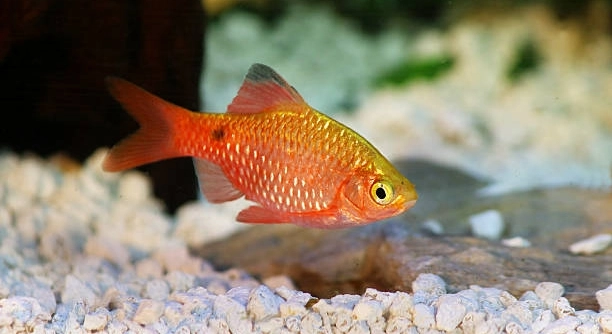
Many aquarium lovers enjoy keeping Rosy Barbs for their lively colors and friendly nature. These fish are generally hardy, but like all pets, they can show signs of stress. Recognizing subtle signs early helps maintain their well-being.
Stress in Rosy Barbs can manifest through changes in behavior, appearance, and activity levels. Common indicators include faded colors, erratic swimming, loss of appetite, and hiding more often than usual. Monitoring these signs can prevent serious health problems.
Identifying these subtle clues will help you support your Rosy Barb’s health and create a more comfortable environment for them to thrive.
Faded Colors and Dull Appearance
When a Rosy Barb is stressed, one of the first things you might notice is a change in its vibrant color. Their bright reds and oranges may start to look washed out or dull. This fading can happen gradually, so it’s important to watch your fish closely. Stress can cause this loss of color because the fish’s body is trying to conserve energy and protect itself. Poor water quality, sudden temperature changes, or overcrowding are common reasons behind this stress. Along with fading colors, their fins may also look clamped or less spread out. These visual signs can easily be missed unless you check your fish regularly. Keeping the tank clean and stable helps maintain the Rosy Barb’s natural coloration and overall health.
Color changes are a reliable indicator that something in the tank environment may need adjustment.
Regular observation and good tank maintenance are essential to prevent long-term damage to your Rosy Barb’s health and appearance.
Erratic Swimming and Unusual Behavior
Erratic swimming is a clear sign that your Rosy Barb is feeling stressed. It may dart around the tank suddenly, swim in circles, or crash into decorations. This behavior is a sign of discomfort and anxiety. Stress might also cause the fish to hide more than usual or stay near the surface or bottom instead of swimming freely. Such changes can be caused by poor water conditions, aggressive tank mates, or lack of hiding spots. These behaviors signal that the fish is trying to avoid stressors or is physically unwell. Observing how your Rosy Barb moves and behaves can give you important clues about its condition.
To help your fish, check water parameters regularly and provide a calm environment with enough space and plants. Adding gentle companions and removing aggressive ones can reduce stress. Monitoring behavior helps catch problems early before they worsen.
Loss of Appetite
When a Rosy Barb stops eating or shows less interest in food, it is often a sign of stress. This can quickly affect its health if not addressed. Changes in water quality or tank conditions usually cause this behavior.
Loss of appetite in Rosy Barbs can result from poor water conditions, sudden changes in temperature, or illness. Stress lowers their immune system, making them less likely to eat. It is important to observe if the fish refuses all types of food or only specific ones. Feeding smaller portions more frequently and ensuring food quality can encourage eating. Keeping the tank clean and stable also helps improve appetite.
If the fish continues to ignore food, it could indicate a more serious issue like parasites or infection. Prompt action with water testing and proper care is necessary to avoid long-term damage.
Increased Hiding
Rosy Barbs that hide more than usual are signaling discomfort or stress. Hiding helps them feel safe when they sense danger or unfavorable conditions.
Hiding is a natural behavior, but excessive hiding means the fish is unsettled. This can happen due to aggressive tank mates, sudden changes in the environment, or poor water quality. If the fish stays hidden for long periods, it may not be eating enough or getting enough exercise. Providing plants, caves, or decorations gives them places to retreat safely. At the same time, maintaining peaceful tank conditions reduces stress and encourages your Rosy Barb to swim openly again. Consistent monitoring ensures these changes don’t lead to health problems.
Clamped Fins
Clamped fins are a common stress signal in Rosy Barbs. The fins stay close to the body instead of spreading out naturally, making the fish look tense or uncomfortable.
This behavior often indicates poor water quality, illness, or stress from aggressive tank mates. It’s important to check water parameters and tank conditions to help the fish recover.
Rapid Gill Movement
Rapid gill movement shows that the fish is struggling to breathe properly. It could be due to low oxygen levels, high ammonia, or stress-related factors in the tank.
Addressing water quality and improving aeration usually helps reduce this problem. Monitoring these signs helps prevent serious health issues.
Loss of Balance
Loss of balance means the Rosy Barb swims awkwardly, tilting or rolling more than usual. This can be a sign of stress or illness affecting its nervous system.
How can I tell if my Rosy Barb is stressed?
Stress in Rosy Barbs can show through various signs such as faded colors, clamped fins, erratic swimming, and hiding more than usual. Loss of appetite and rapid gill movement are also common indicators. Watching for these behaviors regularly can help you catch stress early and take action to improve their environment.
What causes stress in Rosy Barbs?
Stress often comes from poor water quality, sudden changes in temperature, overcrowding, or aggressive tank mates. Inadequate hiding spots and improper diet can also contribute. These factors affect the fish’s comfort and health, so maintaining stable, clean tank conditions is essential.
How do I improve water quality for my Rosy Barb?
Regular water changes, proper filtration, and testing for ammonia, nitrite, and nitrate levels are key. Avoid overfeeding, and remove uneaten food to prevent waste buildup. Keeping water parameters stable helps reduce stress and supports your fish’s overall health.
Can poor diet cause stress in Rosy Barbs?
Yes, a poor or unbalanced diet can weaken their immune system and cause stress. Feeding high-quality flakes or pellets, supplemented with live or frozen foods like brine shrimp or bloodworms, keeps them healthy and less prone to stress.
What tank conditions help reduce stress?
Rosy Barbs thrive in tanks with stable temperatures around 72–78°F (22–26°C), good water flow, and plenty of plants or decorations for hiding. Avoid overcrowding and aggressive tank mates to keep the environment peaceful.
How often should I check on my Rosy Barb for signs of stress?
Daily observation is best to notice subtle changes in behavior or appearance. Early detection lets you fix problems before they become serious. Make it a habit to watch their swimming patterns, color, and feeding habits.
Is it normal for Rosy Barbs to hide sometimes?
Yes, occasional hiding is normal, especially if they are shy or new to the tank. But excessive hiding often signals stress or discomfort, so check tank conditions if they stay hidden for long periods.
Can stress cause illness in Rosy Barbs?
Stress lowers their immune defenses, making them more susceptible to diseases like fin rot or parasites. Managing stress by maintaining clean water and a calm environment helps prevent these health issues.
How long does it take for a stressed Rosy Barb to recover?
Recovery time varies depending on the cause and how quickly you act. Improving water quality and reducing stressors can show results within days to weeks. Be patient and consistent with care.
Should I isolate a stressed Rosy Barb?
Isolating can help if the fish is bullied or seriously ill, but it’s important to replicate the main tank’s conditions to avoid more stress. Monitor closely and only isolate when necessary.
Can adding more plants help reduce stress?
Yes, live plants offer hiding spots and improve water quality by absorbing toxins. They also create a more natural environment that helps Rosy Barbs feel secure and less stressed.
What are the signs that stress is getting worse?
Worsening signs include constant hiding, refusal to eat, visible injuries or fin damage, and difficulty swimming. If you see these, immediate action is needed to avoid serious health problems.
How can I prevent stress in Rosy Barbs?
Prevent stress by keeping water clean and stable, avoiding sudden changes, feeding a balanced diet, and choosing peaceful tank mates. Providing a well-decorated tank with hiding spots also helps.
Does tank size affect stress levels?
Yes, overcrowding in a small tank can cause stress. Rosy Barbs need space to swim freely. A minimum of 20 gallons is recommended for a small group to reduce aggression and stress.
Can water temperature fluctuations cause stress?
Sudden temperature changes can shock Rosy Barbs, leading to stress. Keep the tank temperature stable using a reliable heater and avoid placing the tank near drafts or heat sources.
Are there medications to reduce stress?
Some water conditioners contain stress-reducing ingredients, but these are not a substitute for good tank care. Always focus on fixing the root causes of stress first before considering medication.
How important is tank cleaning for reducing stress?
Very important. Dirty tanks cause poor water quality, which is a major stress factor. Regular partial water changes and filter maintenance keep the environment healthy for your Rosy Barbs.
What role does tank lighting play in stress?
Bright or constantly changing lighting can stress fish. Provide a natural day-night cycle with moderate lighting. Too much light may cause hiding or erratic behavior.
Can stressful conditions affect breeding?
Yes, stressed Rosy Barbs are less likely to breed successfully. Stress reduces energy and health, making spawning difficult. Creating a calm and stable environment improves breeding chances.
Is it normal for Rosy Barbs to act differently when stressed?
Yes, stress changes their behavior noticeably. They might become more aggressive, withdrawn, or restless. Recognizing these changes helps in addressing the causes early.
When caring for Rosy Barbs, recognizing signs of stress early is very important. These fish show stress in different ways, such as changes in color, unusual swimming, hiding, or loss of appetite. Paying attention to these signs can help prevent bigger health problems. Stress weakens the fish’s immune system, making them more likely to get sick. By keeping a close eye on their behavior and appearance, you can act quickly to improve their living conditions.
Maintaining good tank conditions is key to reducing stress for Rosy Barbs. Regular water changes and checking water quality help keep the environment stable and safe. Proper temperature control and clean filters also play a big role in their well-being. Providing enough space, plants, and hiding spots allows the fish to feel secure. Avoiding overcrowding and aggressive tank mates helps maintain peace in the tank. Feeding a balanced diet with high-quality food supports their health and reduces stress as well.
Remember, each Rosy Barb may react differently to stress, so consistent observation is important. Small changes in behavior or appearance may seem minor but could signal a need for adjustment. Taking care of your fish with patience and attention will create a happier and healthier tank environment. When the conditions are right, Rosy Barbs will display their bright colors and active personalities, making your aquarium more enjoyable to watch.

Hello,
If you enjoy the content that we create, please consider saying a "Thank You!" by leaving a tip.
Every little bit helps us continue crafting quality advice that supports the health, happiness, and well-being of pets around the world, for pets of all shapes, sizes, and species.
We really appreciate the kindness and support that you show us!