
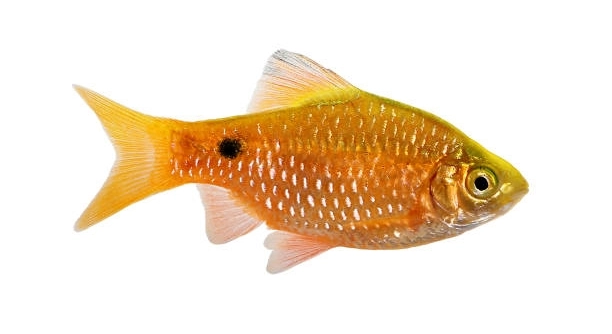
Rosy barbs are popular freshwater fish known for their bright colors and active behavior. Many fish owners notice that these lively swimmers often move in circles around their tank. Understanding why they do this can help keep them happy and healthy in home aquariums.
Rosy barbs swim in circles primarily due to their natural schooling behavior, which helps them feel safe and maintain social bonds. This circular swimming can also indicate territory marking, stress, or environmental factors like water quality and tank size that influence their movement patterns.
Recognizing these reasons can improve how you care for your rosy barbs and create a better environment for them to thrive.
Natural Schooling Instincts
Rosy barbs are social fish that prefer to swim together in groups, called schools. Swimming in circles is part of how they stay close and connected with each other. This behavior helps them feel safer because being in a group reduces the chance of being singled out by predators. When they swim in a circle, it creates a continuous flow that keeps everyone moving together smoothly. This is a natural way for them to communicate and coordinate. If a fish swims alone, it may feel stressed or vulnerable, so you often see them sticking close and moving in patterns. This instinct comes from their wild habitat, where staying in schools is essential for survival. In an aquarium, mimicking this environment by keeping enough rosy barbs together supports their wellbeing and natural behavior.
Swimming in circles keeps rosy barbs coordinated and reduces stress. It’s a sign they feel safe and connected.
Watching how they move in groups can help you understand their needs and improve their tank setup for a healthier environment.
Environmental Influences on Swimming Patterns
Changes in the tank can also affect how rosy barbs swim. Poor water quality, lack of space, or wrong temperature may cause unusual swimming behaviors, like tight circles or frantic darting. It’s important to check the water regularly and keep it clean. Proper filtration and regular water changes help maintain good water conditions. Also, make sure the tank is large enough. Rosy barbs need room to swim freely, so a crowded tank can stress them out and make them swim oddly. Temperature should stay steady, usually between 64°F and 72°F, to keep them comfortable. Providing plants and hiding spots can reduce stress and encourage natural movement. If the environment is right, your rosy barbs will swim calmly and show their usual lively behavior. Paying attention to these factors helps keep their swimming natural and healthy.
Stress and Anxiety in Rosy Barbs
Stress can cause rosy barbs to swim in tight or repetitive circles. Sudden changes in their environment, loud noises, or aggressive tank mates may trigger this behavior.
When stressed, rosy barbs often show restless swimming patterns. Crowded tanks or poor water quality add to their discomfort, making them more prone to circling. Stress weakens their immune system, increasing the risk of illness. Keeping the tank peaceful, stable, and clean helps reduce anxiety. Avoid placing the tank near busy areas or loud sounds. Observe their behavior closely; unusual swimming can be an early warning sign of stress. Offering hiding spots with plants or decorations gives them a safe place to retreat, which calms them down and prevents constant circling.
Reducing stress improves overall health and encourages natural swimming. Calm and stable conditions make a big difference in how rosy barbs behave.
Territorial Behavior
Rosy barbs sometimes swim in circles to mark or defend their territory. This is common when space is limited or during breeding periods.
Territorial swimming is a way for rosy barbs to assert dominance and protect their area from others. Males especially may patrol a specific spot, swimming in circles as a warning to other fish. This behavior helps maintain order within the tank but can increase aggression if there isn’t enough room. Providing a larger tank and plenty of plants or structures can reduce territorial disputes. Separating aggressive individuals or balancing the number of males and females also helps. When their space needs are met, rosy barbs are less likely to show defensive swimming, making the aquarium environment more peaceful for everyone.
Lack of Stimulation
Rosy barbs may swim in circles when bored or under-stimulated. A simple tank without enough plants, decorations, or hiding spots can cause this behavior.
Providing a varied environment with different textures and places to explore keeps them engaged. Adding live plants or objects to swim around helps reduce repetitive swimming.
Health Issues
Sometimes, circular swimming can indicate a health problem like a swim bladder disorder or parasites. These conditions affect their balance and movement.
If a rosy barb swims uncontrollably in circles or shows other signs like loss of appetite, it’s important to check water quality and consider veterinary advice. Early detection helps prevent worsening health.
Feeding Behavior
Rosy barbs may circle while searching for food or competing during feeding times. This swimming pattern can be more noticeable when food is scarce.
Regular feeding schedules and adequate food quantity help reduce frantic swimming and keep them calm during meals.
FAQ
Why do rosy barbs swim in circles constantly?
Constant circular swimming can be a sign of stress, illness, or poor tank conditions. If the water quality is low, the tank is overcrowded, or there is too much noise, rosy barbs may swim in circles as a coping behavior. It can also mean they are suffering from a swim bladder issue, which affects their balance and movement. Monitoring their environment and health closely is important to identify the cause.
Is it normal for rosy barbs to swim in circles sometimes?
Yes, it can be normal. Rosy barbs are schooling fish, and swimming in circles often helps them stay coordinated with their group. This behavior is natural and helps them feel safe. However, if the circling is excessive or seems frantic, it may point to stress or illness.
How can I tell if my rosy barb is sick?
Signs of sickness include erratic swimming, faded color, loss of appetite, or staying near the surface or bottom of the tank. If a rosy barb swims in tight circles uncontrollably or seems unbalanced, it might have a swim bladder problem or parasite infection. Checking water quality and isolating the fish for treatment can help.
What tank conditions cause rosy barbs to swim in circles?
Poor water quality, overcrowding, and incorrect temperature often lead to unusual swimming behavior. Ammonia, nitrite, or nitrate buildup stresses fish and can make them swim in circles. The tank should be large enough, around 20 gallons or more for a small group, with stable temperatures between 64°F and 72°F. Plants and hiding spots reduce stress and encourage natural swimming.
Can aggressive tank mates cause rosy barbs to swim in circles?
Yes, aggressive or territorial fish can make rosy barbs nervous. Circling might be a sign they feel threatened or are trying to avoid confrontations. It’s best to choose peaceful tank mates and keep enough space to reduce aggression.
How many rosy barbs should I keep together?
Rosy barbs do best in groups of at least five. Smaller groups may cause stress and odd swimming because they feel unsafe. A larger group supports their schooling instincts and promotes healthy social behavior.
What can I do to reduce circling behavior in rosy barbs?
Improving tank conditions is key. Keep the water clean, maintain proper temperature, and provide enough space. Adding plants and decorations offers hiding spots and reduces boredom. Regular feeding and avoiding sudden changes in the environment help keep them calm.
Is circular swimming related to breeding?
Yes, during breeding periods, males may swim in circles to show off or defend their territory. This is a natural behavior but may cause some temporary aggression or territorial swimming. Providing enough space and hiding places helps reduce conflicts during this time.
Should I be worried if my rosy barbs swim in circles?
Not always. If it’s occasional and part of schooling, it’s normal. But if it becomes constant or frantic, it could signal a problem with their health or environment. Observing other signs like color changes or loss of appetite will help decide if action is needed.
How often should I check water quality to prevent circling caused by stress?
Water quality should be checked weekly at a minimum. Testing for ammonia, nitrites, nitrates, and pH helps catch problems early. Regular water changes and good filtration are essential to keep the environment healthy and reduce stress-related behaviors like circling.
Final thoughts on rosy barbs swimming in circles focus on understanding their natural behavior and environment. Circling is often part of their schooling instinct, which helps them feel safe and connected with other fish. This behavior is normal and shows that they are interacting well with their group. However, circling can also signal issues like stress, poor water quality, or health problems. Paying attention to how and when your rosy barbs swim in circles can give you important clues about their wellbeing. When they swim calmly and regularly with their group, it usually means they are comfortable and healthy.
Creating a good home for rosy barbs involves more than just feeding them regularly. Tank size, water quality, temperature, and tank mates all affect how they behave. A crowded tank or poor water conditions can cause them to swim in tight or frantic circles, showing discomfort or anxiety. On the other hand, a clean tank with enough space and hiding spots encourages natural, calm swimming. If you notice your rosy barbs circling more than usual, check the water and tank setup first. Small changes, like adding plants or adjusting temperature, can make a big difference. Watching their behavior closely helps you spot problems early and act before they become serious.
Health issues can also make rosy barbs swim in circles. Problems like swim bladder disorder affect their balance and control, leading to odd swimming patterns. Parasites or infections may also cause distress, making the fish restless. If you see continuous circling paired with other signs like loss of appetite or color fading, it’s best to investigate further. Testing water, isolating affected fish, and seeking advice from a vet or fish expert can help. Overall, understanding why rosy barbs swim in circles helps you care for them better. With the right environment and attention, your rosy barbs can stay active, healthy, and happy.

Hello,
If you enjoy the content that we create, please consider saying a "Thank You!" by leaving a tip.
Every little bit helps us continue crafting quality advice that supports the health, happiness, and well-being of pets around the world, for pets of all shapes, sizes, and species.
We really appreciate the kindness and support that you show us!