
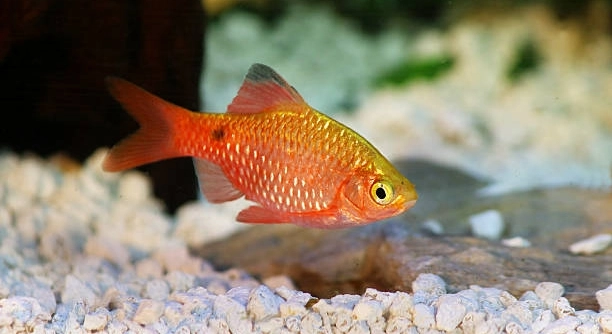
Rosy barbs are popular aquarium fish known for their vibrant color and active behavior. Sometimes, they might seem less lively or hide more than usual. These changes can indicate that something in their environment or care needs attention.
Rosy barbs exhibit sulking behavior primarily due to stressors such as poor water quality, inadequate tank conditions, improper diet, illness, or social conflicts. Identifying and addressing these factors promptly helps restore their normal activity and well-being.
Understanding the reasons behind this behavior will help you create a healthier environment for your fish. This article explains seven common causes and how to manage them effectively.
Poor Water Quality
Water quality is crucial for the health of your rosy barbs. If the water is dirty, has too many chemicals, or the temperature is off, your fish will feel stressed and hide more. Regular water changes and testing help keep the water safe and comfortable. Avoid overfeeding, as leftover food can pollute the tank. Using a reliable water conditioner removes harmful substances like chlorine. Maintaining the right pH and temperature levels also supports their well-being. When water quality suffers, fish behavior changes quickly, so monitoring it closely is important.
Testing your water weekly helps catch problems early before they affect your fish’s health.
Keeping the water clean requires consistency and attention. It’s a good habit to set a schedule for water changes and tank maintenance. This not only keeps your rosy barbs happy but also prevents diseases. Regular checks on filters and equipment ensure everything is running smoothly. A clean environment encourages your fish to be active and colorful. Taking these steps creates a stable home where your rosy barbs can thrive.
Inadequate Tank Size and Environment
Rosy barbs need enough space to swim freely. A small or overcrowded tank can cause stress and cause them to sulk.
An ideal tank size for a group of rosy barbs is at least 30 gallons. They are active swimmers, so having space helps them feel secure and reduces aggressive behavior. Decorate the tank with plants and hiding spots to mimic their natural habitat. This helps them feel safe without making the tank cramped. Avoid sharp decorations that can injure them while swimming. Good water flow and proper lighting also improve their comfort. When the tank is suitable, rosy barbs are more likely to swim openly and show their true colors.
Providing the right tank size and environment improves their health and social behavior. It supports natural activity patterns and reduces stress that causes sulking. Watching your rosy barbs explore and interact is a sign they feel comfortable in their home. Simple changes to the tank setup often lead to big improvements in their mood and well-being. This attention to their needs creates a more balanced and enjoyable aquarium experience.
Improper Diet
Feeding rosy barbs an unbalanced diet can cause them to lose energy and sulk. They need a mix of protein and plant-based foods.
A poor diet weakens their immune system, making them prone to illness and less active. Flakes or pellets designed for tropical fish provide essential nutrients, but supplementing with live or frozen foods like brine shrimp and bloodworms supports their natural feeding habits. Including some vegetable matter such as blanched spinach or zucchini adds variety and helps digestion. Avoid overfeeding, as excess food leads to poor water quality, which further stresses the fish.
Changing their diet to a balanced plan can restore their vitality. Observing how they respond to different foods helps identify what they prefer. Feeding small amounts several times a day encourages activity and keeps them engaged. Consistency in feeding routines also reduces stress and supports their overall health.
Illness and Disease
Signs of illness in rosy barbs often include sulking, loss of appetite, or unusual swimming. Early detection is key to treatment.
Common diseases include ich, fin rot, and bacterial infections, which result from poor water conditions or stress. Symptoms vary but often show as spots, torn fins, or sluggish movement. Quarantining new fish before adding them to the main tank reduces the risk of spreading disease. If you notice any symptoms, isolating the affected fish can prevent further infection. Regular tank maintenance and good nutrition also lower the chance of illness.
Treating diseases quickly with appropriate medications is important. Following the instructions carefully and continuing treatment even after symptoms improve ensures full recovery. Keeping stress low through proper care helps your rosy barbs resist illness and stay active in their environment.
Social Stress and Bullying
Rosy barbs can become stressed if kept with aggressive tank mates or if there is overcrowding. This causes them to hide or sulk.
Keeping them in groups of at least six helps reduce aggression. A proper social structure keeps stress levels low and encourages natural behavior.
Lighting and Day-Night Cycle
Consistent lighting and a regular day-night cycle are important for rosy barbs’ health. Too much or too little light can disrupt their behavior and cause stress.
Use a timer to maintain about 10-12 hours of light daily. This supports their natural rhythms and activity patterns. Avoid sudden changes in lighting to prevent startling them. Proper lighting helps keep them active and colorful, promoting a balanced environment.
Water Temperature
Rosy barbs prefer water temperatures between 74°F and 79°F. Temperatures outside this range can cause them to sulk or become lethargic.
Keeping the water stable within this range supports their metabolism and immune system, improving overall health and behavior.
FAQ
Why is my rosy barb hiding all the time?
Rosy barbs hide when they feel unsafe or stressed. This can happen due to poor water quality, aggressive tank mates, or sudden changes in their environment. Providing plenty of hiding spots and maintaining stable water conditions helps them feel secure. Also, avoid overcrowding to reduce stress and promote normal behavior.
How often should I change the water for my rosy barbs?
Changing about 25-30% of the water weekly is recommended. This keeps the water clean and reduces harmful substances like ammonia and nitrates. Regular water changes prevent stress and disease. Always treat tap water with a conditioner before adding it to the tank to remove chlorine and chloramine.
What should I feed my rosy barbs?
A balanced diet including high-quality flakes or pellets designed for tropical fish works well. Supplement their diet with live or frozen foods like brine shrimp and bloodworms. Adding vegetable matter, such as blanched spinach or zucchini, supports their digestion and adds variety. Feed small amounts 2-3 times daily to prevent overfeeding.
Can rosy barbs live with other fish?
Yes, rosy barbs are generally peaceful but can be fin-nippers, so choose tank mates carefully. Avoid slow-moving or long-finned species like angelfish or bettas. Suitable companions include danios, barbs, and some tetras. Keeping rosy barbs in groups of six or more reduces aggression and improves social behavior.
How can I tell if my rosy barb is sick?
Signs of illness include hiding, loss of appetite, clamped fins, white spots, torn fins, or unusual swimming patterns. Early detection is important. Quarantine new fish before adding them to the tank to avoid spreading diseases. If symptoms appear, isolate the affected fish and treat with appropriate medication based on the condition.
What is the ideal tank setup for rosy barbs?
A minimum tank size of 30 gallons is best for a small group of rosy barbs. Provide plenty of swimming space along with plants and hiding spots. Use smooth decorations to avoid injury. Maintain good filtration, stable temperature between 74°F and 79°F, and consistent lighting on a timer to support their health.
Why are my rosy barbs not as colorful as before?
Fading color is often caused by stress, poor water quality, or inadequate diet. Ensuring clean water, proper nutrition, and a calm environment helps restore their vibrant colors. Sometimes, old age or breeding can also affect coloration temporarily.
How long do rosy barbs usually live?
Rosy barbs typically live 5 to 7 years with proper care. Consistent tank maintenance, balanced diet, and stress reduction all contribute to a longer, healthier life.
Is it normal for rosy barbs to be inactive sometimes?
Yes, rosy barbs may rest or hide occasionally, especially during the night or after feeding. However, prolonged inactivity or sulking during the day could indicate stress or illness, so monitor their behavior closely.
Can temperature fluctuations harm rosy barbs?
Yes, sudden changes or extremes in water temperature can cause stress, weaken the immune system, and lead to illness. Keeping the tank temperature stable between 74°F and 79°F with a reliable heater is essential for their well-being.
Rosy barbs are lively fish that bring color and movement to any aquarium. However, when they start sulking or hiding more than usual, it usually signals that something in their care or environment needs attention. Common causes include poor water quality, inadequate tank size, improper diet, social stress, or illness. Each of these factors affects their well-being and behavior in different ways. By paying close attention to these areas, you can help your rosy barbs feel more comfortable and active in their home.
Maintaining a clean and stable environment is key to preventing stress and health problems. Regular water changes, proper filtration, and monitoring water parameters keep the tank safe for your fish. Providing enough space and hiding places creates a comfortable setting that allows natural behaviors. Feeding a balanced diet with variety supports their immune system and energy levels. Also, watching for signs of illness and acting quickly when symptoms appear ensures your fish recover without long-term effects. All these actions combined create a healthier, more enjoyable environment for rosy barbs.
Taking care of rosy barbs requires consistent effort and attention to detail, but the rewards are worth it. When their needs are met, they show vibrant colors and lively behavior that can brighten your tank. Understanding what causes sulking and addressing it quickly helps maintain their health and happiness. With proper care, your rosy barbs will thrive, providing you with a peaceful and beautiful aquatic display for years to come.

Hello,
If you enjoy the content that we create, please consider saying a "Thank You!" by leaving a tip.
Every little bit helps us continue crafting quality advice that supports the health, happiness, and well-being of pets around the world, for pets of all shapes, sizes, and species.
We really appreciate the kindness and support that you show us!