
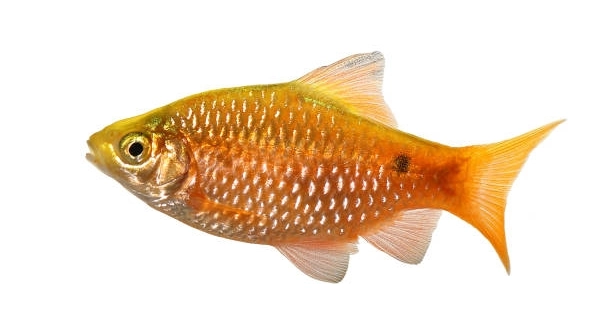
Rosy barbs are lively fish that often show quick movements after their tank water is changed. Many aquarium owners notice their rosy barbs suddenly darting around right after this routine care. This behavior can seem surprising or worrying at first glance.
Rosy barbs dart after a water change mainly because they are reacting to changes in water chemistry and temperature. These sudden shifts can cause temporary stress or excitement, prompting rapid swimming as they adjust to their environment.
Understanding why rosy barbs react this way helps in providing better care and creating a calmer tank environment for these colorful fish.
Why Rosy Barbs React Strongly to Water Changes
When you change the water in a rosy barb tank, the fish can quickly sense the difference. Even small shifts in temperature, pH, or water hardness affect their comfort level. Rosy barbs are naturally active and alert fish, so any change feels very noticeable to them. The fresh water often has different chemical properties than the old water, especially if it comes from a tap or has been treated. This difference can trigger their darting behavior. Additionally, the process of changing water can stir up debris or create brief disturbances in the tank. These changes make rosy barbs swim faster or hide temporarily. Knowing this helps when you do regular maintenance; you can take steps to reduce stress by matching new water conditions closely to the old water and performing gradual water changes. This makes the adjustment easier for your fish.
Water changes are necessary, but how they are done affects the fish’s behavior and comfort.
By understanding the triggers behind their darting, you can create a calmer tank environment. Using water conditioners, testing water parameters beforehand, and changing water slowly helps your rosy barbs feel more secure. This reduces stress and promotes healthier, more peaceful fish that show their beautiful colors more often.
Water Chemistry and Temperature Effects
Water chemistry and temperature are the main reasons rosy barbs dart after water changes.
Temperature shifts of even a few degrees can shock the fish. Rosy barbs prefer stable conditions, so sudden cooling or warming makes them swim erratically as they try to find comfort. Changes in pH or mineral levels affect their senses and breathing, causing restlessness. When new water is added quickly or in large amounts, these changes are more intense. The fish detect the differences immediately and respond with fast movements to explore or escape the unfamiliar conditions. Maintaining steady water quality by matching parameters between old and new water reduces these reactions. Slowly adjusting the tank environment also allows the fish time to adapt without stress. Using a reliable thermometer and water testing kit before water changes is a simple way to keep your rosy barbs calm and healthy.
How Stress Affects Rosy Barbs
Stress causes rosy barbs to dart quickly after water changes. Sudden environmental shifts make them nervous and reactive. This behavior is a natural survival response.
Stress triggers an increase in activity as rosy barbs try to cope with unfamiliar conditions. Rapid swimming helps them explore or escape what they perceive as threats. However, too much stress weakens their immune system and makes them more prone to illness. Frequent water changes done improperly can lead to chronic stress. To avoid this, it’s important to keep the water stable and change only part of it at a time. Providing hiding spots also helps them feel safe and less likely to dart around.
Recognizing stress signs early lets you adjust tank care and protect your fish’s health. Keeping water quality consistent and minimizing sudden changes ensures rosy barbs stay calm and enjoy their home.
Importance of Gradual Water Changes
Gradual water changes prevent sudden shocks to rosy barbs and reduce darting behavior. Slow adjustments help fish adapt smoothly.
When water is changed slowly, the fish have time to get used to new temperature and chemistry. Large or rapid changes create strong reactions because the fish’s bodies struggle to adjust. Using a drip method or adding new water in small amounts over time keeps conditions steady. This approach reduces stress and helps maintain a balanced environment. It’s also best to test both old and new water to match parameters closely. Gradual changes protect rosy barbs from health problems and improve their overall well-being in the aquarium.
Tank Environment and Its Role
A well-maintained tank environment helps reduce darting after water changes. Stable conditions make rosy barbs feel secure.
Providing plenty of plants and hiding spots gives fish places to rest. This lowers stress and keeps their behavior calm.
Adjusting Water Parameters Carefully
Matching water temperature, pH, and hardness between the new and existing water is crucial. Sudden changes in these factors cause discomfort and rapid swimming. Use a water testing kit before changes to ensure values are similar. Slowly mixing new water with tank water before adding it reduces shocks. Maintaining stable conditions helps rosy barbs stay relaxed and healthy in their habitat.
Monitoring Fish Behavior
Keep an eye on how your rosy barbs react after water changes. Their activity levels and swimming patterns give clues about their comfort.
FAQ
Why do rosy barbs dart right after a water change?
Rosy barbs dart after a water change mainly because they notice sudden shifts in water temperature, pH, or chemistry. These changes can cause mild stress or excitement, leading to quick, erratic swimming as they adjust. It’s their natural way of reacting to unfamiliar conditions and trying to find comfort.
How can I reduce darting behavior in rosy barbs after water changes?
The best way is to make water changes gradual and match the new water’s temperature and chemistry closely to the tank water. Adding water slowly or using a drip method helps fish adapt without shock. Providing plenty of plants and hiding spots also reduces stress, making them less likely to dart.
Is darting a sign of illness in rosy barbs?
Darting right after a water change is usually not a sign of illness but a reaction to environmental changes. However, if darting continues long after the water change or is accompanied by other symptoms like loss of appetite, clamped fins, or discoloration, it could indicate stress or disease.
How often should I change the water in a rosy barb tank?
Generally, changing 20-25% of the water weekly is recommended. This keeps water clean without shocking the fish. Frequent partial changes maintain stable conditions and reduce sudden shifts that cause darting. Avoid changing too much water at once, which can upset the tank’s balance.
What temperature should the new water be during a change?
New water should be the same temperature as the tank water. Even a difference of a few degrees can cause darting or stress. Use a reliable aquarium thermometer to check and adjust the new water before adding it. Slowly mixing the water helps achieve the right temperature.
Can water additives help reduce darting behavior?
Yes, water conditioners and stress reducers can help. They neutralize chlorine, chloramines, and heavy metals in tap water, making it safer for fish. Some additives also promote slime coat health, which protects fish from irritation and infections, helping reduce stress and sudden movements.
Does the size of the water change affect rosy barbs’ behavior?
Yes, larger water changes tend to cause more noticeable darting because the water chemistry shifts more dramatically. Smaller, regular water changes minimize these effects. Changing a smaller amount often allows the fish to adjust better and keeps their environment stable.
What should I do if rosy barbs keep darting after the water change?
If darting continues for hours or days, check water parameters like ammonia, nitrite, nitrate, and pH for imbalances. Poor water quality may be stressing the fish. Make sure the tank is cycled properly, and consider adding more hiding places. Reducing light intensity temporarily may also help them calm down.
Can feeding affect rosy barbs’ darting behavior?
Feeding right after a water change can sometimes increase activity, as fish become excited or compete for food. It’s better to wait until they settle down before feeding. Overfeeding can lead to poor water quality, causing more stress and erratic swimming.
Are all rosy barbs equally sensitive to water changes?
Individual fish may react differently. Younger or more timid rosy barbs often show stronger darting than older, well-adjusted ones. Fish recently added to the tank may also be more sensitive. Consistent care and stable conditions help all fish become less reactive over time.
Final Thoughts
Water changes are an important part of keeping rosy barbs healthy and happy in your aquarium. These fish are sensitive to changes in their environment, so they often react quickly when water is replaced. Their darting behavior after a water change is a natural response to shifts in water temperature, chemistry, or overall tank conditions. Understanding why this happens can help you make changes that reduce stress and keep your fish calm.
It is important to take your time when changing water. Gradual water changes that closely match the existing tank conditions help rosy barbs adjust smoothly. Using water testing kits and conditioners ensures the new water is safe and comfortable for your fish. Providing plants and hiding spots also helps reduce their anxiety, making the tank a more peaceful space. Keeping these factors in mind will prevent excessive darting and promote healthier fish.
Being attentive to your fish’s behavior is key to maintaining a good aquarium environment. If you notice darting continuing for a long time after a water change, check your water parameters and tank setup. Consistency and care go a long way in making sure your rosy barbs feel secure. With patience and proper maintenance, you can enjoy watching your rosy barbs swim calmly and display their beautiful colors.

Hello,
If you enjoy the content that we create, please consider saying a "Thank You!" by leaving a tip.
Every little bit helps us continue crafting quality advice that supports the health, happiness, and well-being of pets around the world, for pets of all shapes, sizes, and species.
We really appreciate the kindness and support that you show us!