
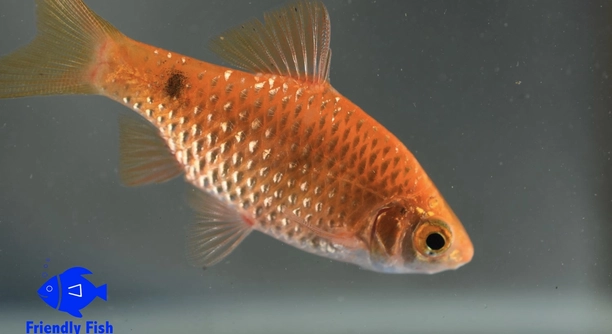
Rosy Barbs are popular freshwater fish often kept in home aquariums. Many hobbyists notice that these fish sometimes seem to ignore each other despite living closely together. This behavior can seem unusual compared to other schooling fish that are more interactive.
Rosy Barbs tend to ignore each other mainly due to their natural temperament and social structure. They are semi-aggressive and independent fish, often establishing personal space rather than constant interaction. This results in less visible social behavior compared to more schooling species.
Understanding why Rosy Barbs behave this way can help aquarists provide better care and create a peaceful tank environment for these vibrant fish.
Why Rosy Barbs Are Often Quiet Around Each Other
Rosy Barbs are known for their calm and somewhat reserved nature when compared to other schooling fish. Unlike species that swim closely in large groups, Rosy Barbs tend to spread out and maintain a certain distance from one another. This behavior is linked to their natural instincts, as they balance between being social and protecting their personal space. In a tank, this means they don’t always swim together or interact constantly, which can give the impression that they ignore each other. Their temperament is influenced by factors like tank size, the number of fish, and their environment. When kept in smaller or overcrowded spaces, they may become more territorial or stressed, which reduces interaction further. Understanding this quiet behavior helps fishkeepers manage their tanks better, ensuring the Rosy Barbs stay healthy without forcing social behavior they don’t naturally exhibit.
The spacing and independent nature of Rosy Barbs reflect their balance between socializing and self-preservation. This makes their calm behavior easier to understand.
This reserved attitude helps them avoid unnecessary conflicts and stress in their environment. When given enough space and proper conditions, Rosy Barbs show natural, peaceful behavior without needing to constantly interact. This balance is key to keeping them comfortable and healthy.
Factors That Affect Rosy Barb Interaction
Tank size plays a significant role in how Rosy Barbs behave. Smaller tanks can make them feel crowded, leading to less interaction. Providing a larger space allows them to spread out comfortably, reducing stress.
The environment inside the tank affects Rosy Barbs’ social behavior in many ways. Lighting, hiding spots, and water quality all influence how they act. When conditions are ideal, Rosy Barbs feel safer and more relaxed, which encourages natural behavior. A tank with plenty of plants or decorations offers places to explore and retreat, making fish less likely to feel threatened by their tank mates. Additionally, maintaining clean water with stable temperatures helps them stay healthy and calm. If the water quality is poor or fluctuates, it can cause stress and lead to aggression or hiding. Choosing compatible tank mates also matters; Rosy Barbs do better with species that have similar temperaments. These factors combined create an environment where Rosy Barbs can live peacefully, sometimes seeming distant but actually comfortable in their own space. Paying attention to these details makes a big difference in their overall behavior and well-being.
Rosy Barbs’ Natural Instincts
Rosy Barbs have instincts that make them cautious around others. They are not as tightly social as some fish, so they keep their distance to avoid conflict. This behavior helps them survive in the wild.
Their cautious nature comes from being both prey and competitors. In the wild, Rosy Barbs need to stay alert for predators while also securing their own space to feed and rest. This means they balance between being part of a group and staying independent. Their instincts encourage spacing rather than constant interaction, which is why they may appear to ignore each other in tanks.
These instincts remain strong even in home aquariums. Despite living in safer environments, Rosy Barbs still act based on their natural behavior. This means they often swim apart and don’t rely on group dynamics like schooling fish. Their independent nature allows them to thrive without needing constant social contact.
How Tank Conditions Influence Behavior
Tank conditions greatly impact how Rosy Barbs interact. Proper water quality, temperature, and space help them feel secure and reduce stress. Stressful conditions often lead to more hiding or aggression.
Keeping water clean with regular changes is essential. Rosy Barbs need stable temperatures around 64–72°F (18–22°C) and balanced pH levels to stay calm. Overcrowded tanks or poor water conditions make them nervous and less interactive. Providing enough swimming space and hiding spots encourages natural behavior and reduces tension. A well-maintained tank supports their health and encourages peaceful coexistence.
Social Behavior of Rosy Barbs
Rosy Barbs show social behavior differently than typical schooling fish. They prefer loose groups rather than tight clusters. This means they are near each other but often keep some personal space.
Their interactions include brief chasing or displaying colors, but they rarely stay close for long. This behavior is natural and helps avoid stress or fights.
Signs of Stress in Rosy Barbs
Stress in Rosy Barbs can make them hide more or act aggressively. Watching for changes in color or appetite helps catch problems early.
Encouraging Healthy Interaction
Maintaining good tank conditions and giving enough space supports positive social behavior. Proper diet and clean water reduce stress and promote activity.
Recognizing Aggression
Mild aggression is normal but should not be constant or harmful. Early recognition helps keep the tank peaceful.
Why do Rosy Barbs sometimes ignore each other in the tank?
Rosy Barbs have a natural tendency to keep some distance from each other. Unlike tight schooling fish, they prefer loose groups and personal space. This is part of their instinct to avoid conflicts and reduce stress. When they seem to ignore one another, it usually means they are comfortable and not feeling threatened.
Can Rosy Barbs become more social over time?
While Rosy Barbs may show some changes in behavior as they get used to their environment, their basic temperament stays the same. They rarely become fully social fish that swim closely together like tetras or danios. However, they can become more relaxed and occasionally interact when conditions are right, such as having a spacious tank and peaceful tank mates.
How many Rosy Barbs should I keep together?
A group of at least six Rosy Barbs is recommended. This number allows them to express natural behaviors without becoming too crowded. Smaller groups may cause them to act shy or stressed, while overcrowding can lead to aggression and hiding.
What tank size is best for Rosy Barbs?
A tank of at least 30 gallons is ideal for a small group. This size provides enough space for swimming and territory. Larger tanks allow them to spread out more comfortably, reducing stress and minimizing aggressive encounters.
Do tank mates affect how Rosy Barbs interact?
Yes, the choice of tank mates has a big impact. Rosy Barbs do best with other peaceful or semi-aggressive fish of similar size. Avoid very aggressive species or slow-moving, shy fish. Compatible tank mates help create a calm environment where Rosy Barbs don’t feel threatened and can maintain their usual social balance.
What signs show Rosy Barbs are stressed?
Stressed Rosy Barbs may hide more, lose color, or refuse food. You might also see increased aggression or lethargy. Poor water quality, overcrowding, or aggressive tank mates often cause stress. Monitoring their behavior regularly helps catch problems early.
How can I reduce stress for Rosy Barbs?
Keep the tank clean with regular water changes, maintain stable temperatures, and provide hiding spots with plants or decorations. Avoid overcrowding and choose compatible tank mates. Feeding a balanced diet and keeping the water parameters stable will also help them stay calm and healthy.
Why do Rosy Barbs sometimes chase each other?
Chasing is usually a way to establish territory or hierarchy. It’s common in groups but should be brief and not harmful. If chasing turns into constant aggression, it may mean the tank is overcrowded or there are compatibility issues with other fish.
Can Rosy Barbs live alone?
While they can survive alone, Rosy Barbs are social enough to prefer groups. Keeping a single Rosy Barb often leads to stress or boredom. A group helps them feel more secure and encourages natural behaviors, even if they don’t always swim closely.
How important is diet for Rosy Barb behavior?
Diet affects their energy levels and mood. A balanced diet with quality flakes, pellets, and occasional live or frozen foods keeps them healthy and active. Poor nutrition can cause dull colors, weak immune response, and less interaction.
Do Rosy Barbs need special water conditions?
They prefer slightly hard water with a neutral to slightly alkaline pH (6.5–7.5) and temperatures between 64°F and 72°F (18°C–22°C). Stable water parameters support their health and behavior, preventing stress that can affect their social interactions.
What should I do if Rosy Barbs become aggressive?
Check for overcrowding, poor water quality, or incompatible tank mates. Increasing tank size, improving water conditions, and removing aggressive fish if needed usually helps. Adding more hiding spots can also reduce conflict.
Is it normal for Rosy Barbs to hide for long periods?
Occasional hiding is normal, especially if new to a tank or during rest. However, if hiding becomes constant, it may indicate stress, illness, or poor tank conditions. Investigate water quality and tank setup if hiding persists.
Can lighting affect Rosy Barbs’ behavior?
Yes, harsh or too bright lighting can make them shy or stressed. Soft, natural lighting with shaded areas helps them feel secure. Adjust lighting duration to mimic natural day-night cycles for best results.
How often should I clean the tank for Rosy Barbs?
Regular water changes of 20-30% weekly or biweekly help keep water quality high. Cleaning filters and removing uneaten food also prevent toxins buildup, supporting healthy fish behavior.
What are the benefits of keeping Rosy Barbs in groups?
Groups allow them to show natural behaviors like chasing and color displays while balancing independence. Even if they don’t school tightly, having companions reduces stress and loneliness, contributing to longer, healthier lives.
Rosy Barbs are interesting fish that show behavior different from many other aquarium species. They do not always swim close together or interact constantly, which can make them seem like they ignore each other. This is actually a natural part of their personality. They like to keep some distance and have their own space, which helps reduce stress and prevent conflicts. Understanding this calm and somewhat independent nature is important for anyone who keeps Rosy Barbs. Knowing that they do not need to be tightly social can help you create the right environment for them to thrive.
Creating a comfortable tank for Rosy Barbs means paying attention to several key factors. Providing enough space is very important, as overcrowding can lead to aggression and stress. A tank size of at least 30 gallons is recommended for a small group. Along with space, keeping water conditions stable and clean supports their health and natural behavior. Plants and decorations add hiding spots, which help them feel safe and reduce tension. Choosing tank mates that match their temperament also makes a difference. When these conditions are met, Rosy Barbs are more relaxed and display their natural behaviors, even if that means sometimes keeping to themselves.
It is also helpful to remember that Rosy Barbs have instincts that influence how they behave in a tank. They balance between being social and protecting themselves. While they may show occasional chasing or color displays, they usually prefer loose groups rather than close schooling. This behavior is part of their survival in the wild and remains strong even in home aquariums. By respecting their natural instincts and providing a well-maintained environment, fishkeepers can enjoy the unique and peaceful nature of Rosy Barbs. This understanding leads to better care and happier fish overall.

Hello,
If you enjoy the content that we create, please consider saying a "Thank You!" by leaving a tip.
Every little bit helps us continue crafting quality advice that supports the health, happiness, and well-being of pets around the world, for pets of all shapes, sizes, and species.
We really appreciate the kindness and support that you show us!