
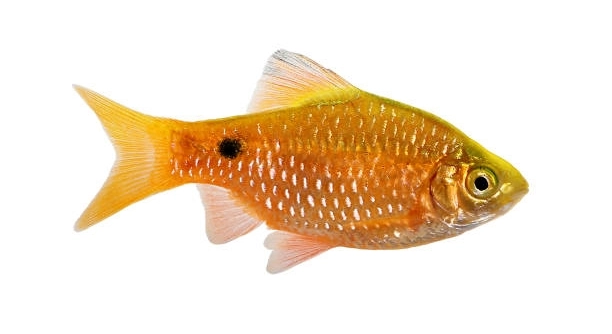
Rosy barbs are popular freshwater fish known for their bright colors and lively behavior. Many aquarium owners enjoy watching them, but some wonder about their sleeping habits. Understanding how these fish rest can help provide better care.
Rosy barbs do not sleep with their eyes open in the way humans might think. Like most fish, they lack eyelids and rest by reducing activity and responsiveness while remaining alert to their surroundings. This allows them to rest safely without fully closing their eyes.
Learning about their unique resting behavior can improve how you care for rosy barbs. It also helps explain their natural instincts and how they stay safe in the wild.
Why Do Rosy Barbs Keep Their Eyes Open?
Rosy barbs, like many fish species, have no eyelids, so they cannot close their eyes like humans do. Instead, they rest by slowing down their movements and reducing their awareness of surroundings while remaining alert enough to detect danger. This is important for survival, especially in the wild where predators may be present. Their eyes stay open to help them monitor their environment constantly. Even when resting or “sleeping,” their brain activity slows down, but their sensory systems stay partially active. This adaptation allows rosy barbs to rest without completely losing awareness. In an aquarium setting, they may appear to be awake all the time because their eyes remain open, but they still get the rest they need through periods of inactivity. Understanding this behavior helps aquarium owners recognize normal rest patterns and reduces worry about their fish’s wellbeing.
Their open eyes during rest are natural and should not be mistaken for stress or illness.
This behavior shows how rosy barbs have adapted to survive while resting. Though their eyes never close, they enter a restful state by being still and less responsive. This balance between rest and alertness is common among many fish and is crucial for their safety. Observing them in an aquarium reveals moments when they are less active, often hiding or hovering quietly, indicating they are resting. Providing a calm environment with places to hide helps support their natural resting habits. In turn, this supports the health and longevity of your rosy barbs.
How to Help Rosy Barbs Rest Better
Rosy barbs benefit from an environment that mimics their natural habitat, including calm water and hiding spots.
Providing plants, caves, or decorations where they can retreat helps them feel secure. Adequate lighting with a regular day-night cycle encourages normal activity and rest patterns. Avoid sudden changes in light or noise that could disturb their rest. Temperature stability is also important, as fluctuations can stress the fish and disrupt their sleep. Monitoring water quality ensures a healthy environment, promoting restful behavior. A peaceful tank encourages rosy barbs to rest fully, even with their eyes open.
By creating a stable, comfortable tank environment, you support your rosy barbs’ natural rhythms. This not only helps them rest but also improves their overall health. Well-rested fish show better color, activity, and resistance to disease. Observing their calm moments lets you know they are comfortable and secure. Remember, while their eyes remain open, restful periods are normal and essential. Understanding and accommodating these needs makes a noticeable difference in their wellbeing.
Do Rosy Barbs Get Tired?
Rosy barbs do experience rest cycles, but their tiredness does not look like that of mammals. They slow down and become less active, conserving energy while staying alert.
When rosy barbs are less active, it is their way of resting without fully sleeping. Their brain activity decreases, allowing them to recover from the day’s activities. This rest is important for their health and growth. Despite having their eyes open, they enter a restful state by lowering movement and responsiveness. You may notice them floating quietly or hiding among plants during these times. This behavior helps them avoid predators while still allowing rest.
Because they live in environments with potential threats, rosy barbs have adapted to rest without losing awareness. This means they rarely enter a deep sleep like land animals. Instead, their rest is light but sufficient to meet their energy needs. Observing your fish during these quiet moments can help you understand their unique way of managing tiredness. They do need these breaks to stay healthy, even if it looks different from human sleep.
Signs Your Rosy Barbs Are Resting
Resting rosy barbs often slow their swimming and hover near the tank bottom or in hiding spots. They may also reduce interaction with other fish during these periods.
A calm, still fish that is less responsive to movement around the tank is likely resting. Their fins may move slightly but with less energy than usual. Watch for these quieter moments as a sign your fish is taking a break. Proper rest helps maintain their bright color and activity levels when awake.
If your rosy barbs swim erratically or hide constantly, this might indicate stress or illness rather than rest. True resting behavior is peaceful and brief, occurring in a predictable pattern linked to the tank’s light cycle. Observing your fish daily helps you learn their normal rest signals and spot any issues early. Supporting their natural rest patterns improves their wellbeing and longevity.
How Often Do Rosy Barbs Rest?
Rosy barbs tend to rest daily, usually during the night when the tank lights are off. Their activity decreases naturally with the light cycle.
They may also take short rests during the day, especially if the environment is calm and quiet.
Do Rosy Barbs Need Darkness to Rest?
Darkness helps signal to rosy barbs that it is time to rest. A consistent day-night cycle supports their natural rhythm. Without a proper light schedule, their rest periods can become irregular, leading to stress or health issues. Maintaining regular lighting in the tank helps keep their behavior balanced and healthy.
Can Rosy Barbs Sleep Standing Up?
Rosy barbs often rest while floating or hovering near the bottom, but they do not truly “stand up” as some animals might. Their rest involves minimal movement rather than a specific posture.
Do Rosy Barbs Dream?
There is no scientific evidence that rosy barbs or fish in general dream. Their rest is more about conserving energy and maintaining alertness than experiencing sleep phases like mammals.
How do rosy barbs rest without eyelids?
Rosy barbs do not have eyelids, so their eyes remain open even when resting. They enter a state of reduced activity and alertness, slowing down movements and responsiveness. This partial rest allows them to conserve energy while staying aware of potential threats around them. Unlike humans, their brain activity decreases without the need to close their eyes.
Is it normal for rosy barbs to stay still for long periods?
Yes, it is normal. When rosy barbs rest, they often remain still or hover quietly in one spot. This behavior is part of their natural rest cycle. However, if they stay motionless for an unusually long time or show other signs of distress, it could indicate illness or poor water quality. Monitoring their usual patterns helps identify what is normal for your fish.
Can rosy barbs sleep during the day?
Rosy barbs primarily rest during the night, aligning with a natural day-night cycle. However, they can take short resting periods during the day, especially if the environment is calm and quiet. These daytime rests are shorter and less deep than their nighttime rest but still help maintain their health and energy levels.
Do rosy barbs need a specific environment to rest properly?
A stable environment with proper lighting, clean water, and places to hide helps rosy barbs rest well. They benefit from a consistent day-night light cycle to signal when to be active and when to rest. Plants and decorations offer safe spots for resting. Avoid sudden changes in light or water conditions, which can disrupt their rest and cause stress.
How can I tell if my rosy barb is stressed or just resting?
Resting rosy barbs are calm and less responsive but still maintain a peaceful posture. Stressed fish might hide excessively, swim erratically, or show signs of illness like clamped fins or loss of color. Watching their behavior over time can help differentiate normal rest from stress. Ensuring good tank conditions reduces stress and supports healthy rest.
Do rosy barbs require complete darkness to rest?
Complete darkness is not absolutely required, but dimming the lights helps simulate natural conditions and encourages restful behavior. A consistent light schedule with periods of darkness or low light signals the fish when to rest. Sudden or irregular lighting can disrupt their rest cycles and cause stress.
Can rosy barbs rest in groups?
Yes, rosy barbs are social fish and often rest in groups. Resting together provides a sense of security and reduces the risk of predation. Group rest allows them to monitor each other and remain alert to danger, even when some individuals are less active.
Are there signs that indicate poor rest in rosy barbs?
Signs of poor rest include constant swimming without pause, rapid breathing, loss of color, or erratic movements. Poor water quality, improper lighting, or stress can prevent rosy barbs from resting properly. Addressing these factors by maintaining good tank conditions improves their ability to rest and stay healthy.
Does the age of a rosy barb affect its resting habits?
Younger rosy barbs tend to be more active and may rest less deeply or frequently than adults. As they mature, their rest patterns become more regular, aligning closely with the light cycle. Older fish may also rest more as their energy levels decrease. Observing age-related changes helps tailor care to their needs.
Is it safe to handle rosy barbs during their resting periods?
Handling or disturbing rosy barbs during rest is not recommended. It can cause unnecessary stress and disrupt their natural behavior. It’s best to allow them to rest undisturbed, especially during the night or low-activity periods. Keeping tank maintenance and interaction during active times helps protect their rest cycles.
How long do rosy barbs rest each day?
Rosy barbs usually rest for several hours daily, mostly during the night when lights are off. Their resting time varies depending on environmental conditions and tank setup. Providing a stable routine with regular light cycles helps ensure they get enough rest to stay healthy and active during the day.
Can rosy barbs rest with the tank lights on?
While they can rest with the lights on, dim or no lighting encourages better rest. Continuous bright light may stress the fish and reduce their rest quality. Using a timer for tank lights helps create a natural cycle and supports healthy behavior patterns, including adequate rest.
Rosy barbs have unique resting habits that differ from those of land animals. Because they do not have eyelids, their eyes stay open even while they rest. Instead of closing their eyes, they reduce their activity and responsiveness to their surroundings. This state of rest allows them to conserve energy and recover without losing awareness of potential threats. Their natural behavior of resting with open eyes is normal and necessary for their survival. Understanding this can help aquarium owners feel more confident in caring for their rosy barbs and knowing what to expect.
Providing a calm and stable environment supports the natural resting behavior of rosy barbs. Consistent lighting that mimics natural day and night cycles encourages healthy rest patterns. Including plants, decorations, or caves offers safe places for the fish to retreat and rest comfortably. It is also important to maintain clean water and stable temperature conditions. These factors reduce stress and help the fish rest well. When rosy barbs have proper conditions, they show better health, vibrant colors, and active behavior during their waking hours.
Rest is essential for the overall wellbeing of rosy barbs. Although they do not sleep like humans, their periods of reduced movement and alertness serve the same purpose of recovery. Observing their behavior during these quiet moments can reassure owners that their fish are healthy and comfortable. Distinguishing between normal rest and signs of stress or illness is important for providing the best care. With the right environment and attention, rosy barbs can thrive and maintain their natural resting rhythms, making them enjoyable and healthy additions to any aquarium.

Hello,
If you enjoy the content that we create, please consider saying a "Thank You!" by leaving a tip.
Every little bit helps us continue crafting quality advice that supports the health, happiness, and well-being of pets around the world, for pets of all shapes, sizes, and species.
We really appreciate the kindness and support that you show us!