
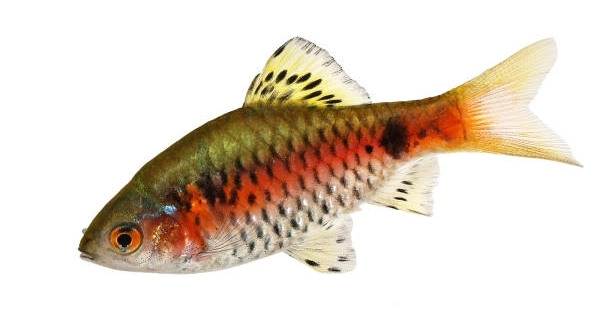
Rosy barbs are colorful, active fish popular in many home aquariums. Their vibrant behavior and responses to colors make them interesting to observe. Understanding which colors they react to can enhance your aquarium experience.
Rosy barbs respond most strongly to red, orange, yellow, green, blue, violet, and white colors. These colors stimulate their natural instincts, influencing their feeding, breeding, and social behaviors in measurable ways.
Recognizing these color responses can improve how you care for rosy barbs and create a more engaging environment for them.
Red and Orange: Strong Triggers for Activity
Red and orange are the most vivid colors that rosy barbs react to. These warm colors tend to catch their attention quickly and stimulate their activity. When exposed to red or orange objects, rosy barbs often become more alert and swim energetically around the tank. These colors mimic natural elements like ripe fruits or certain plants, which can signal food or safe areas. Bright red and orange decorations or feeding tools can encourage feeding and play behaviors in these fish. However, too much exposure might cause stress, so balance is key. Observing how your rosy barbs respond to these colors can help you tailor their environment for better health and interaction. Lighting also affects how these colors appear, making the fish’s reactions stronger or weaker depending on the tank setup.
Red and orange colors help keep rosy barbs active and engaged, but moderation is important to avoid overstimulation.
Adding red or orange accents in your tank can create a lively atmosphere for your rosy barbs while promoting their natural behavior.
Blue and Green: Calming Yet Stimulating Colors
Blue and green are cooler tones that also influence rosy barbs but in a different way. These colors are calming yet still stimulating enough to keep the fish interested without causing agitation. Green resembles aquatic plants, offering a sense of security and natural habitat. Blue can imitate water depth and open space, encouraging exploration and social interaction among rosy barbs. Using blue and green decorations can help balance the tank’s environment, making it comfortable for the fish. These colors can reduce stress and promote steady swimming patterns. Many aquarists find that a mix of warm and cool colors in the tank benefits the overall wellbeing of rosy barbs. Proper lighting enhances these effects by making the colors more vibrant or subtle, influencing how the fish respond throughout the day.
Violet and White: Subtle Influences
Violet and white colors tend to have a gentler effect on rosy barbs. They don’t provoke as much excitement but can encourage calm behavior and occasional curiosity. These colors work well to balance brighter tones in the tank.
Violet shades often remind rosy barbs of shadows or deeper water areas. This can make them feel secure enough to explore. White, being neutral, helps create contrast that makes other colors stand out. In a tank with vibrant reds and oranges, violet and white offer visual relief and help prevent overstimulation. Using these colors thoughtfully in decorations or backgrounds can support a peaceful environment where rosy barbs feel comfortable and less stressed.
Balancing these softer colors with brighter ones creates a natural look that keeps rosy barbs both calm and engaged in their space.
How Color Affects Feeding Behavior
Colors like red and orange often stimulate rosy barbs to feed more actively. These hues mimic natural food sources, triggering instinctive feeding responses. In contrast, cooler colors such as blue and green can have a calming effect that sometimes slows feeding but promotes steady, consistent eating habits. Fish exposed to a well-balanced color environment generally show healthier feeding patterns. Overuse of bright colors may cause rapid, stressed feeding, which can lead to digestive issues. Incorporating varied colors in the tank environment supports better feeding behavior and overall health for rosy barbs. Understanding this balance helps maintain a thriving aquarium where the fish stay both active and well-nourished.
The Role of Lighting
Lighting affects how colors appear to rosy barbs. Bright lights make colors more vivid and noticeable. Dim lighting softens colors, creating a calmer atmosphere in the tank.
Proper lighting enhances the fish’s natural color responses. It helps highlight reds and oranges that stimulate activity, while also bringing out blues and greens that promote calmness. Adjusting light intensity throughout the day can mimic natural conditions and support the fish’s well-being.
Using Color to Reduce Stress
Colors like blue and green help reduce stress in rosy barbs. These cooler tones create a peaceful environment that encourages relaxation.
Color Placement in the Aquarium
Where you place colored decorations affects how rosy barbs respond. Positioning warm colors near feeding areas can boost activity. Cooler colors work best around resting spots.
FAQ
What colors do rosy barbs respond to the most?
Rosy barbs respond most to red, orange, yellow, green, blue, violet, and white. These colors influence their behavior by triggering feeding, social interaction, and exploration. Warm colors like red and orange tend to increase activity, while cooler colors like blue and green help calm them.
Why do red and orange colors excite rosy barbs?
Red and orange are bright and eye-catching. They resemble natural cues like ripe fruits or certain plants, which signal food or safe spots. These colors stimulate their instincts, making them swim actively and explore more. However, too much exposure might cause stress, so it’s important to balance these tones.
How do blue and green affect rosy barbs differently?
Blue and green create a calming effect while still keeping the fish engaged. Green reminds them of plants, providing comfort and security. Blue suggests open water or depth, encouraging gentle exploration. Together, these colors help reduce stress and support natural swimming behaviors.
Can violet and white influence rosy barb behavior?
Yes, violet and white have subtler effects. Violet often represents shadowed areas, encouraging exploration without excitement. White provides contrast, making other colors more noticeable while helping reduce overstimulation. These colors support a peaceful, balanced environment.
Does lighting impact how rosy barbs see colors?
Lighting plays a big role. Bright lighting makes colors more vivid, which can increase activity levels. Dim lighting softens colors and promotes calmness. Adjusting light intensity during the day can simulate natural conditions, benefiting the fish’s mood and health.
How can colors affect rosy barb feeding?
Bright colors like red and orange tend to increase feeding activity by mimicking food sources. Cooler colors encourage calm and steady eating habits. A balance of these colors helps maintain healthy feeding behavior, avoiding stress or digestive problems.
Where should colored decorations be placed in the tank?
Warm-colored decorations near feeding areas can boost activity and encourage eating. Cooler colors placed near resting spots promote relaxation. Proper placement creates a natural and comfortable environment that supports the fish’s needs.
Can too many bright colors harm rosy barbs?
Yes, too many bright colors can overstimulate rosy barbs. This may lead to stress, erratic swimming, or aggressive behavior. Keeping a balanced mix of bright and subtle colors helps avoid these problems.
Is it necessary to change colors in the tank regularly?
Changing colors is not necessary but can refresh the environment. Occasional updates can keep rosy barbs interested and reduce boredom. Avoid sudden or drastic changes, as these might cause stress.
Do rosy barbs respond differently to colors based on age or size?
Younger or smaller rosy barbs may react more strongly to bright colors because they rely heavily on visual cues for safety and feeding. Adult fish might be less sensitive but still benefit from a balanced color environment.
How does color influence rosy barb social behavior?
Colors can affect how rosy barbs interact. Bright, stimulating colors encourage active swimming and schooling. Calmer colors like blue and green promote peaceful interactions and reduce aggression. A balanced environment helps maintain harmony.
Are there any colors to avoid in a rosy barb tank?
No specific colors must be avoided, but overly intense or flashing colors can cause stress. Avoid artificial or neon shades that don’t mimic natural surroundings. Stick to natural tones to keep the fish comfortable.
Can color therapy improve rosy barb health?
While not a medical treatment, using colors thoughtfully can improve wellbeing by reducing stress and encouraging natural behaviors. A well-designed tank with balanced colors supports mental and physical health.
How does tank size affect color perception?
In smaller tanks, colors appear more concentrated, which may overwhelm rosy barbs. Larger tanks allow colors to blend naturally, offering a more balanced visual environment. Adjust color intensity and placement accordingly.
Should plants or decorations be chosen based on color?
Yes, selecting plants and decorations with natural colors that resonate with rosy barbs helps create a comfortable habitat. Mix warm and cool tones to stimulate and calm the fish appropriately.
What role does contrast play in color response?
Contrast makes colors stand out, capturing the fish’s attention. White or neutral backgrounds enhance the visibility of brighter colors. Using contrast thoughtfully guides rosy barbs’ movement and behavior in the tank.
Can color affect breeding behavior?
Bright, warm colors can encourage breeding by stimulating activity and signaling good conditions. Cooler colors help create a calm environment for spawning and caring for eggs. Balancing these supports successful reproduction.
How long does it take for rosy barbs to respond to color changes?
Responses can be immediate or gradual, depending on the fish’s temperament and environment. Some may react quickly to new colors, while others adjust over days or weeks. Patience helps observe true reactions.
Are there color preferences unique to individual rosy barbs?
Yes, individual fish may prefer certain colors based on personality or past experiences. Observing your fish helps identify which colors they respond to best, allowing you to customize their environment.
The colors that rosy barbs respond to play an important role in their behavior and overall well-being. By understanding which colors attract or calm them, you can create a tank environment that supports their natural instincts. Warm colors like red and orange tend to increase activity and stimulate feeding, while cooler tones such as blue and green help reduce stress and promote calm swimming. Using these colors thoughtfully in decorations, backgrounds, and lighting helps balance excitement and relaxation for the fish. This balance is important because too much stimulation can cause stress, and too little can lead to boredom or inactivity.
Lighting also affects how colors appear and how rosy barbs react to them. Bright lighting can make colors more vivid, encouraging the fish to be more active. Dimmer lighting softens colors and creates a peaceful atmosphere. Adjusting lighting throughout the day to mimic natural light cycles can help maintain the fish’s natural rhythms. Additionally, where colors are placed within the tank impacts behavior. Warm colors near feeding areas encourage eating and activity, while cool colors near resting spots support relaxation. These small details improve the environment and contribute to the fish’s health.
Taking time to observe your rosy barbs’ reactions to different colors is useful. Each fish may respond slightly differently, so adjusting the tank setup based on their behavior helps create a better home. Avoid using overly bright or unnatural colors, as these can cause stress. Instead, focus on natural tones and a mix of warm and cool shades. This thoughtful approach not only enhances the look of your aquarium but also supports the well-being and happiness of your rosy barbs. In the end, a balanced color environment makes caring for these fish easier and more rewarding.

Hello,
If you enjoy the content that we create, please consider saying a "Thank You!" by leaving a tip.
Every little bit helps us continue crafting quality advice that supports the health, happiness, and well-being of pets around the world, for pets of all shapes, sizes, and species.
We really appreciate the kindness and support that you show us!