
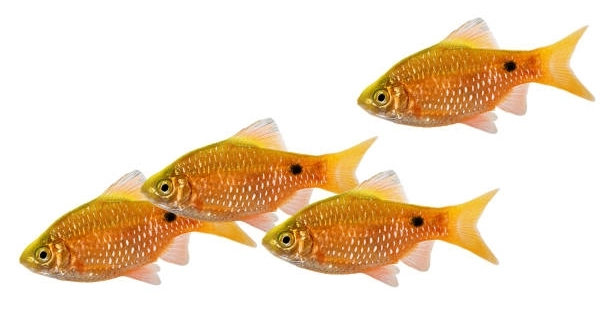
Rosy barbs are lively and colorful fish that need a well-planned tank to thrive. Many aquarists struggle with tank layouts that unintentionally stress or harm these active swimmers. Understanding their preferences can improve both their health and happiness.
Several common tank layout mistakes disturb rosy barbs, including overcrowding, insufficient swimming space, improper plant placement, poor filtration setup, lack of hiding spots, incorrect substrate choice, and inconsistent water flow. These factors negatively impact their behavior and well-being.
Learning how to avoid these pitfalls can create a comfortable environment for rosy barbs. This article will guide you through the key layout errors and how to correct them.
Overcrowding the Tank
Overcrowding is one of the biggest problems for rosy barbs. These fish need plenty of space to swim actively and maintain their health. When too many fish are placed in a small tank, it creates stress and can lead to aggressive behavior. Water quality also suffers quickly in overcrowded tanks, causing harmful ammonia and nitrite buildup. Ideally, each rosy barb should have at least two gallons of water to thrive. Overcrowding reduces oxygen levels and makes it difficult for filtration systems to keep up, which can weaken the fish’s immune system. It’s important to carefully plan the number of fish before setting up the tank to avoid these issues.
Keeping the fish population balanced helps maintain clean water and reduces stress among rosy barbs. A spacious tank supports their natural swimming habits and social behavior, making them healthier and more active.
Spreading out the fish evenly and avoiding excess decorations that block swimming areas will improve tank conditions. Proper filtration and regular water changes also help manage the effects of stocking density.
Improper Plant Placement
Plants offer shelter and improve water quality but must be placed thoughtfully. Placing plants too close to the tank’s surface can limit swimming space, which rosy barbs need. If plants are crowded in one area, it forces fish to swim around tight spaces, causing stress. Some plants with sharp edges or rough textures can injure the fish as they swim. Also, live plants require light and nutrients, so overcrowding plants may cause some to die, reducing water quality. Positioning taller plants at the back and shorter ones near the front creates natural swimming lanes.
Placing plants carefully improves the tank’s layout and keeps rosy barbs comfortable.
Arranging plants to balance open swimming space and hiding spots encourages natural behavior. It also supports tank health by promoting good water circulation. Using smooth-leafed plants avoids accidental injury. Combining live plants with hardy artificial ones can provide variety while maintaining ease of care. Thoughtful plant placement makes the tank look attractive and supports the well-being of rosy barbs.
Poor Filtration Setup
A weak or improperly placed filter can cause serious problems in a rosy barb tank. Without proper filtration, waste and toxins build up quickly, harming the fish.
Filters need to provide enough flow and mechanical, chemical, and biological filtration to keep the water clean. Rosy barbs produce a moderate amount of waste, so a filter rated for at least twice the tank size is ideal. Placement matters too; filters that create strong currents in resting or hiding areas stress the fish. Positioning the filter output to promote gentle water circulation while avoiding strong blasts helps maintain comfort. Regular filter maintenance ensures it runs efficiently and keeps the environment safe.
Choosing the right filter and placing it carefully balances water quality with the rosy barbs’ need for calmer areas. This setup supports both health and behavior.
Lack of Hiding Spots
Rosy barbs need places to hide to feel secure, especially during rest or stressful moments. A bare tank leaves them vulnerable and uneasy. Providing enough hiding spots reduces stress and aggression.
Hiding places can be created with plants, rocks, or decorations arranged to offer cover without overcrowding the swimming space. Good hiding spots balance privacy with easy access to open areas. These shelters give fish a chance to retreat when needed, improving their overall well-being. Avoid sharp or rough materials that might injure them. Soft plants and smooth decorations work best. Adding caves or tunnels designed for fish can enhance the tank environment while supporting natural instincts. When hiding spots are limited, fish may compete for space, leading to stress and territorial disputes. A well-planned tank layout with multiple hiding places encourages peaceful behavior.
Incorrect Substrate Choice
The wrong substrate can affect water quality and fish comfort. Sharp or rough substrates may injure rosy barbs, while substrates that trap debris can lead to poor water conditions.
A smooth, fine gravel or sand substrate is best. It allows natural digging behavior and makes cleaning easier. Avoid substrates that alter water chemistry negatively, such as those raising hardness or pH too much.
Inconsistent Water Flow
Rosy barbs prefer moderate water flow. Too strong currents cause stress and fatigue, while stagnant water reduces oxygen and promotes waste buildup.
Balancing water movement supports their health and natural behavior.
Neglecting Regular Maintenance
Skipping regular water changes and tank cleaning leads to poor water quality and unhealthy fish. Even the best layout fails without maintenance.
Consistent care is essential for a thriving rosy barb tank.
FAQ
What size tank is best for rosy barbs?
Rosy barbs need plenty of space to swim and avoid stress. A minimum of 30 gallons is recommended for a small group of five to six fish. Larger tanks are better to provide ample swimming room and reduce territorial aggression. Overcrowding causes poor water quality and unhealthy behavior.
How many rosy barbs should I keep together?
Rosy barbs are schooling fish and do best in groups of at least five or six. Smaller groups can lead to stress and aggression. Keeping enough fish helps maintain their natural social behavior and reduces bullying. However, avoid overcrowding to prevent water quality issues.
What plants are safe for rosy barbs?
Choose hardy plants with soft leaves like Java fern, Anubias, or Amazon sword. Rosy barbs can nip at plants, so delicate species might get damaged. Artificial plants with smooth edges can supplement live ones. Proper plant selection provides hiding spots without risking injury or destruction.
How often should I clean the tank?
Partial water changes of about 20–30% should be done weekly to maintain water quality. Regular removal of debris and vacuuming the substrate helps prevent buildup of waste. Cleaning filter media monthly keeps the filtration efficient but avoid washing it too thoroughly to preserve beneficial bacteria.
Can rosy barbs live with other fish?
Yes, but choose tank mates carefully. Rosy barbs do well with other peaceful, similarly sized fish like danios or barbs. Avoid slow-moving or long-finned fish that may get nipped. Proper tank size and hiding spots reduce conflicts when housing multiple species.
What temperature do rosy barbs prefer?
They thrive in temperatures between 64°F and 72°F (18°C–22°C). Stable temperature control prevents stress and illness. Sudden changes can shock the fish, so use a reliable heater or keep the tank in a temperature-stable room.
Why do my rosy barbs hide a lot?
Excessive hiding often signals stress, poor water quality, or bullying from tank mates. Check water parameters and tank setup to ensure comfort. Providing enough hiding spots and avoiding overcrowding helps reduce this behavior.
How do I prevent rosy barbs from jumping out?
Rosy barbs are active swimmers and may jump when startled. A tight-fitting lid or aquarium cover is essential to keep them safe. Avoid placing the tank near loud noises or vibrations that can startle the fish.
What should I feed rosy barbs?
A balanced diet of high-quality flakes, pellets, and occasional live or frozen foods like brine shrimp or bloodworms supports their health. Feeding small amounts twice daily prevents overfeeding and water pollution.
How do I know if my rosy barbs are healthy?
Healthy rosy barbs are active, have bright colors, and swim confidently in open areas. Watch for signs of illness such as faded color, clamped fins, lethargy, or spots. Regular observation helps catch problems early.
Final Thoughts
Creating a comfortable and healthy environment for rosy barbs depends largely on avoiding common tank layout mistakes. Overcrowding, poor filtration, and improper plant placement can all negatively affect their behavior and well-being. Paying attention to the space these fish need for swimming, along with providing enough hiding spots, helps reduce stress and aggression. The right balance of open water and cover supports their natural habits and keeps them active and healthy.
Maintenance is equally important in keeping rosy barbs thriving. Regular water changes, proper filter care, and cleaning the substrate are necessary to maintain good water quality. Neglecting these tasks often leads to poor conditions that weaken the fish’s immune system and encourage illness. Choosing a smooth substrate and moderate water flow further supports their comfort. Being mindful of these details creates a stable environment that allows rosy barbs to flourish.
Overall, careful planning and ongoing care are essential for a successful rosy barb tank. Avoiding layout mistakes and maintaining good water quality makes a noticeable difference in the fish’s health and behavior. Taking the time to learn about their needs and adjusting the tank setup accordingly will result in a more enjoyable and rewarding experience. When the tank supports their natural lifestyle, rosy barbs show their best colors and lively personality.

Hello,
If you enjoy the content that we create, please consider saying a "Thank You!" by leaving a tip.
Every little bit helps us continue crafting quality advice that supports the health, happiness, and well-being of pets around the world, for pets of all shapes, sizes, and species.
We really appreciate the kindness and support that you show us!