
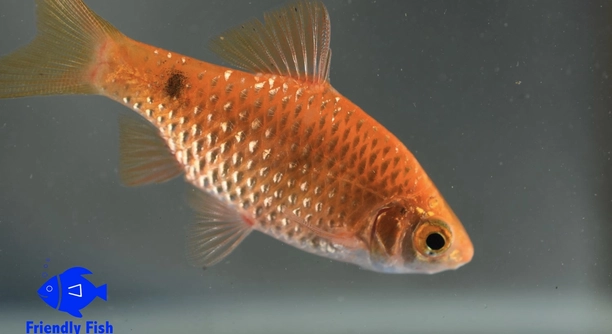
Many fish owners notice that only one Rosy Barb often swims alone in the tank while others stay together. This behavior can seem puzzling and may lead to concerns about the fish’s well-being. Understanding why this happens helps create a better environment for all the fish.
The most common reason a single Rosy Barb explores the tank alone is due to social hierarchy or individual temperament. Rosy Barbs are schooling fish, but sometimes one fish may assert dominance or prefer solitude, resulting in different activity patterns within the group.
Learning about these social behaviors can improve how you care for your tank and help maintain harmony among your fish. The details behind this behavior offer valuable insights for any aquarium enthusiast.
Social Behavior and Territory
Rosy Barbs are naturally social fish that prefer to swim in groups. However, within their groups, there can be some competition. One Rosy Barb may claim a particular area of the tank as its territory. This fish often patrols its space alone, which makes it seem like it is exploring while others stay in a school. Sometimes, the dominant fish becomes more active and moves away from the group to keep an eye on its surroundings or to find food first. On the other hand, some Rosy Barbs are simply more independent by nature and prefer to explore rather than swim closely with others. Environmental factors, like tank size or hiding spots, can also encourage this behavior. The fish that roams alone may be trying to reduce stress or avoid conflicts with other barbs. Understanding these patterns can help in managing the tank better.
The dominant fish usually takes the lead in exploring, while others follow or stay together.
Recognizing that one fish may claim territory or prefer independence helps explain why only one Rosy Barb explores the tank. This behavior is a normal part of their social interaction, not necessarily a sign of a problem. If the tank has enough space and hiding places, this can reduce tension and allow all fish to feel comfortable. Watching how your fish interact can give clues about their social balance and tank environment. If a single Rosy Barb is always alone and seems stressed or unhealthy, it may need a health check or changes in the tank setup.
Health and Tank Conditions
Sometimes, a Rosy Barb swims alone because of health or tank issues.
When one fish is isolated, it might be feeling unwell or weaker than the others. Illness can cause a fish to avoid its group, and it may seek out quieter, less crowded areas. Poor water quality, improper temperature, or insufficient oxygen levels can also make fish act differently. If the tank is too small or overcrowded, some fish may separate themselves to reduce stress. Regular water tests and proper tank maintenance are crucial. Keeping the water clean and stable encourages all fish to behave normally and stay active in groups. Paying attention to any changes in behavior or appearance helps catch health problems early. Treating illness promptly and providing a well-balanced environment supports the well-being of all Rosy Barbs in the tank.
Personality Differences
Each Rosy Barb has its own personality, which affects how it behaves in the tank. Some fish are naturally more curious and active, while others are shy and reserved. The one exploring may simply be more adventurous.
This personality difference means that one Rosy Barb might swim around the tank more often, investigating new spots or objects. Meanwhile, the others prefer to stay close together for safety. These individual traits are normal and show the variety within the species. Over time, the more outgoing fish will stand out because it is less afraid to explore and take risks. This behavior is not usually a cause for concern.
Fish personalities can change with time or environment. The lone explorer might become more social if the tank setup changes or new decorations are added. Similarly, the shy ones may gain confidence in a peaceful tank, balancing the group’s behavior.
Impact of Tank Size and Setup
Tank size plays a big role in how Rosy Barbs behave.
In a small or crowded tank, one fish might roam alone simply because there isn’t enough room for the whole group to swim freely. Larger tanks allow fish to spread out more naturally, reducing stress. Proper decorations, plants, and hiding spots give fish places to retreat, making the environment feel safer.
The tank setup affects social dynamics. Open areas encourage group swimming, while dense decorations can lead to one fish exploring alone. Maintaining enough space and a balanced layout helps all Rosy Barbs interact more evenly. It is important to monitor the tank and adjust decorations to support healthy social behavior. A well-planned environment can reduce conflicts and help shy fish come out of hiding.
Feeding Habits
Rosy Barbs have different feeding habits that affect their behavior. Some fish are more aggressive eaters and may separate from the group during feeding time.
The fish exploring alone might be searching for food in less crowded areas to avoid competition. This behavior helps ensure it gets enough to eat.
Stress and Environment
Stress can cause a Rosy Barb to isolate itself. Loud noises, sudden changes, or aggressive tank mates increase stress levels. Reducing these factors can improve social behavior.
Observation and Adjustment
Watch your fish closely to understand their behavior. Adjust tank conditions or group size if needed to promote harmony and reduce isolation.
FAQ
Why is only one Rosy Barb swimming alone?
It is common for one Rosy Barb to swim alone because of natural social behaviors. Some fish are more independent or dominant, so they explore the tank while others stay in groups. This is normal and does not always mean something is wrong. The lone fish may be guarding a territory or simply have a different personality.
Is it harmful if one Rosy Barb stays apart from the group?
Usually, it is not harmful if one fish stays alone as long as it looks healthy and active. However, if the fish shows signs of stress, illness, or stops eating, it could be a problem. Isolation due to sickness should be checked and treated promptly.
Can tank size affect why only one fish explores?
Yes, tank size impacts fish behavior. In smaller tanks, space limits movement, so one fish may separate to reduce stress. Larger tanks allow fish to spread out naturally. Providing enough room and hiding places helps all fish feel comfortable and reduces solitary behavior.
Should I add more Rosy Barbs if one is always alone?
Adding more Rosy Barbs can sometimes help because they are schooling fish. A larger group encourages natural schooling behavior. However, overcrowding can cause stress and aggression. It’s important to keep a balanced number of fish for your tank size and monitor their behavior closely.
Could illness cause one Rosy Barb to stay alone?
Yes, illness or injury can cause a fish to isolate itself. Sick fish often hide or swim alone to avoid others. Watch for signs like faded colors, slow movement, or lack of appetite. Regular water tests and good tank maintenance help prevent disease.
How can I reduce stress in my Rosy Barbs?
Stress can be reduced by maintaining clean water, stable temperatures, and a proper tank setup with plants and hiding spots. Avoid sudden changes in light or noise. Keeping compatible tank mates and not overcrowding also helps reduce stress.
Is it normal for some Rosy Barbs to be more curious than others?
Yes, individual fish have different personalities. Some are more curious and explore the tank, while others prefer to stay in groups or hide. This variety is natural and does not usually cause problems if the fish are healthy.
What should I do if the lone Rosy Barb looks unhealthy?
If the lone fish appears weak, has clamped fins, or is not eating, check water quality immediately. Consider isolating the fish in a quarantine tank for treatment. Consulting with a vet or experienced aquarist may be necessary to address specific health issues.
Can tank decorations affect the behavior of Rosy Barbs?
Yes, tank decorations influence fish movement. Dense plants or rocks provide hiding places but may cause some fish to stay separate. Open swimming areas encourage schooling. Balancing decorations helps create a comfortable environment for all fish.
How long does it take for Rosy Barbs to adjust to a new tank?
Adjustment time varies but usually takes a few days to a couple of weeks. During this period, fish may behave differently, including swimming alone. Providing a stable, quiet environment helps them settle faster.
Are there other fish species that behave like Rosy Barbs?
Many schooling fish, like Tetras and Danios, show similar social behaviors. Some individuals may explore alone while others stay in groups. Understanding these patterns helps in managing mixed-species tanks effectively.
Can feeding routines change a Rosy Barb’s behavior?
Yes, feeding times and methods influence activity. A fish may explore alone to find food in less crowded areas. Feeding smaller amounts more frequently can reduce competition and encourage more social behavior.
What signs indicate a Rosy Barb is stressed?
Signs include hiding, rapid breathing, loss of appetite, faded colors, and erratic swimming. Stress often results from poor water quality, tank mates, or environmental changes. Identifying these signs early helps prevent health problems.
Is it necessary to rearrange the tank if one fish is always alone?
Rearranging can sometimes help by breaking established territories and encouraging more interaction. Moving decorations or adding new plants offers fresh areas to explore. Changes should be done gradually to avoid adding stress.
How often should I monitor my Rosy Barbs’ behavior?
Daily observation is ideal to spot any unusual actions or health issues. Regular monitoring helps catch problems early and keeps the tank environment stable for all fish.
Many people notice that only one Rosy Barb explores the tank while the others stay together. This behavior can seem unusual at first, but it is often a normal part of how these fish live and interact. Rosy Barbs are social creatures that like to swim in groups, but some individuals are more independent or have different roles within the group. The fish that swims alone may be acting as a leader, guarding its territory, or simply showing its unique personality. Understanding this helps in caring for the fish and creating a healthy environment.
It is important to watch the behavior of the lone Rosy Barb to make sure it is healthy and not stressed or sick. If the fish appears active, eats well, and looks bright, then its behavior is usually nothing to worry about. Problems may arise if the fish shows signs of illness, such as staying still at the bottom, losing color, or refusing to eat. Tank size, water quality, and the presence of hiding places can all affect how comfortable the fish feels. A well-maintained tank with enough space and proper care reduces stress and supports normal behavior in all the fish.
Creating a balanced tank setup that meets the needs of your Rosy Barbs helps keep the whole group happy. This includes providing enough room for swimming, places to hide, and regular feeding schedules. Paying attention to how your fish behave over time can give clues about their health and social dynamics. If one fish is always exploring alone but seems well, it is likely just part of its nature. Adjusting the environment and tank conditions when needed can improve the overall harmony among your Rosy Barbs, making your aquarium a better place for them to thrive.

Hello,
If you enjoy the content that we create, please consider saying a "Thank You!" by leaving a tip.
Every little bit helps us continue crafting quality advice that supports the health, happiness, and well-being of pets around the world, for pets of all shapes, sizes, and species.
We really appreciate the kindness and support that you show us!