
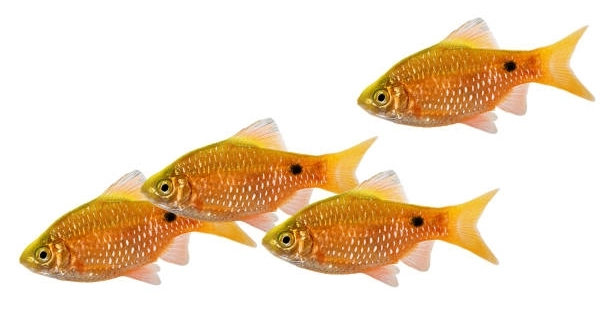
Rosy barbs are lively freshwater fish often seen swimming quickly around their tanks. Their energetic movements can sometimes look like chasing, which catches the attention of many fish lovers. Watching them can be both entertaining and puzzling.
Rosy barbs chase each other primarily due to their natural social behavior and territorial instincts. This chasing helps establish hierarchy within their group and ensures dominance while also encouraging healthy exercise and interaction. Such behavior is typical in small, active schooling fish.
Understanding why rosy barbs chase helps create a better environment for them and improves their overall wellbeing in home aquariums. Learning about their social habits can enhance the enjoyment of keeping these colorful fish.
Why Rosy Barbs Chase Each Other
Rosy barbs are naturally active fish that enjoy swimming together in groups. When they chase each other, it often looks like playful behavior, but it has important purposes. Chasing helps them set up a social order so that the strongest fish take the lead. This behavior is normal in their species and helps reduce fights that could cause injury. At the same time, it keeps the fish moving and healthy by encouraging exercise. If the tank is too small or overcrowded, chasing can become more aggressive, so providing enough space is important. Watching their lively movement is part of the appeal of keeping rosy barbs, as they bring energy and color to any aquarium.
Chasing also plays a role in communication. It helps fish show their mood and intentions without using sounds. This is common in many fish species that live in groups.
Knowing these behaviors makes it easier to care for rosy barbs properly and keep them stress-free.
How Tank Conditions Affect Their Behavior
The size and setup of the tank can greatly affect how often rosy barbs chase each other. In a small tank, they might feel cramped and more likely to chase aggressively to claim space. A well-planted tank with hiding spots helps calm them down and reduces chasing. Good water quality is also important because stress from poor conditions can increase restless behavior. Keeping the water clean with regular changes and monitoring temperature helps keep the fish calm. Having enough room and a balanced environment makes chasing a natural, healthy activity rather than a sign of trouble.
When the tank is set up well, chasing stays playful and does not harm the fish.
Maintaining a Healthy Environment for Rosy Barbs
To keep rosy barbs happy and minimize aggressive chasing, aim for a tank size of at least 30 gallons for a small group. Adding plants and decorations gives them places to hide and rest, which helps reduce tension. Regular water changes and stable water parameters prevent stress that can cause more chasing. Feeding them a balanced diet supports their energy and overall health, which also affects their behavior. Observing how they interact daily can help you notice if chasing becomes harmful or excessive. If one fish is bullied, it may need to be separated temporarily. Creating the right environment takes some attention, but it results in a peaceful and lively aquarium where rosy barbs can thrive.
Recognizing Normal Chasing Behavior
Chasing among rosy barbs is usually quick and ends without injury. It’s part of their way to establish pecking order. This behavior is brief and repeated but doesn’t lead to constant stress.
When chasing is normal, the fish swim rapidly around each other but soon calm down. They take turns chasing and being chased. No one fish is cornered or harmed. This balance helps maintain peace in the group. Normal chasing is energetic but does not cause visible damage or exhaustion.
Occasionally, chasing helps the fish explore their environment and stay active. It’s a natural part of their social life that benefits their mental and physical health.
When Chasing Becomes a Problem
Chasing turns into a problem if one fish is constantly bullied or injured. Excessive chasing can stress fish and lead to health issues. If a fish hides all the time or shows signs of injury, it may be suffering from aggressive behavior. Stress from too much chasing weakens their immune system, making illness more likely. Overcrowding or lack of hiding places often causes this behavior. Monitoring their interactions closely allows you to act before it worsens. Adjusting tank conditions or separating aggressive fish can restore balance and reduce stress.
Signs of Stress from Chasing
If rosy barbs chase too much, signs of stress appear. Fish may lose color, hide often, or stop eating. Watch closely for these changes to protect their health.
Stress can also cause lethargy or rapid breathing. Early action helps keep the group balanced and healthy.
Managing Aggressive Behavior
Separating the aggressive fish temporarily can reduce tension. Adding plants or decorations creates hiding spots to lower stress. Increasing tank size also helps if space is limited.
The Role of Group Size
Keeping at least six rosy barbs reduces aggression. A larger group spreads out chasing behavior and supports social balance.
Adjusting Tank Environment
Regular maintenance and proper setup prevent chasing problems. Stable water conditions keep fish calm and active.
FAQ
Why do rosy barbs chase each other so often?
Rosy barbs chase each other mainly to set up a social hierarchy. This behavior helps reduce conflicts by establishing which fish is dominant. It also encourages exercise and mental stimulation. Chasing is natural and healthy as long as it doesn’t cause injury or extreme stress.
Is chasing always a sign of aggression?
No, chasing isn’t always aggressive. In rosy barbs, it can be playful or part of their natural social behavior. Aggression only becomes a concern if chasing is constant, one-sided, or causes harm to a fish. Monitoring their interactions can help identify if chasing is normal or problematic.
How can I tell if chasing is harming my fish?
Look for signs like torn fins, injuries, hiding, loss of color, or loss of appetite. If a fish is always on the defensive or avoids others, chasing might be causing stress. When chasing leads to these signs, action is needed to protect the fish’s health.
What should I do if chasing becomes too aggressive?
First, check if the tank is overcrowded or lacks hiding places. Increasing space, adding plants, or decorations can reduce aggression. You might also separate the aggressive fish temporarily. Regular water maintenance and feeding a good diet help reduce stress, which lowers aggressive behavior.
How many rosy barbs should I keep together?
Keeping at least six rosy barbs helps spread out chasing behavior and supports natural social balance. Small groups may lead to more intense chasing because fish compete more directly for dominance. A larger group provides safety and reduces bullying.
Can tank size affect chasing behavior?
Yes, a small tank can make rosy barbs feel cramped, increasing chasing and aggression. Larger tanks give them room to swim and avoid conflict. For a small group, at least 30 gallons is recommended to keep them comfortable and active without stress.
Does adding plants help reduce chasing?
Adding plants and decorations creates hiding spots where shy or bullied fish can escape. This reduces tension and breaks up lines of sight, which helps prevent constant chasing. Plants also improve water quality and create a more natural environment.
Does feeding affect chasing behavior?
Proper feeding helps reduce stress and aggression. Hungry fish may become more restless and chase others more often. Feeding a balanced diet in small amounts throughout the day keeps rosy barbs healthy and less prone to chasing out of frustration or competition.
Can chasing be a sign of mating behavior?
Sometimes chasing can be related to courtship, especially if it happens more during breeding times. Males may chase females as part of their mating ritual. However, this is usually less aggressive and more focused on specific individuals rather than the whole group.
Is it normal for rosy barbs to chase new fish?
Yes, when new fish are introduced, chasing can increase as the group reestablishes its hierarchy. This is usually temporary. Giving new fish plenty of hiding spaces and adding them in groups can help reduce stress during this adjustment period.
When should I intervene in chasing behavior?
Intervene if chasing causes injury, persistent stress, or if a fish is hiding and refusing to eat. Minor chasing is normal, but if it becomes aggressive or one fish is clearly suffering, changes in tank setup or temporary separation may be needed.
Can water quality impact chasing behavior?
Poor water quality causes stress, making fish more prone to aggressive chasing. Keeping water clean with regular changes and stable temperature helps fish stay calm and less likely to chase aggressively. Good water quality supports overall health and social balance.
Are there specific signs that chasing is normal versus harmful?
Normal chasing is quick, balanced, and doesn’t cause injuries. Fish take turns chasing each other and remain active and healthy. Harmful chasing involves constant pursuit of one fish, visible injuries, and signs of stress like hiding or loss of color.
How long does chasing usually last?
Chasing episodes are often brief, lasting a few seconds to a minute. They occur periodically throughout the day as part of social interactions. If chasing lasts too long or is nonstop, it may indicate stress or aggression problems.
Does lighting affect chasing behavior?
Bright or inconsistent lighting can stress fish and increase chasing. A consistent light cycle with moderate brightness helps fish feel secure. Providing shaded areas or plants can reduce light intensity and help calm active fish.
Rosy barbs are lively and social fish that naturally chase each other as part of their behavior. This chasing helps them establish a social order, keeps them active, and supports their mental and physical health. Watching their energetic swimming and chasing can be entertaining, but it’s important to understand why they do it. Knowing the reasons behind their behavior helps keep them safe and happy in an aquarium. Chasing is not always a sign of aggression; it can be a normal part of how rosy barbs interact and communicate with each other.
However, chasing can become a problem if it turns aggressive or constant. When one fish is chased too much, injured, or stressed, it can harm the entire group’s well-being. Tank conditions play a big role in controlling this behavior. Providing enough space, good water quality, hiding places, and a balanced diet can lower stress and reduce excessive chasing. Keeping a proper group size is also important. A small group of rosy barbs may lead to more tension, while a larger group spreads out chasing and helps maintain peace. Watching for signs of stress or injury allows you to take action before problems get worse.
Caring for rosy barbs means paying attention to their environment and behavior regularly. Understanding their natural chasing habits and knowing when it becomes harmful will help you create a calm and healthy home for them. Making adjustments in the tank setup or separating aggressive fish when needed keeps the community balanced. With the right care, rosy barbs can thrive and display their beautiful colors and playful nature. Their chasing, when kept in a good environment, is a sign of an active and well-adjusted group of fish.

Hello,
If you enjoy the content that we create, please consider saying a "Thank You!" by leaving a tip.
Every little bit helps us continue crafting quality advice that supports the health, happiness, and well-being of pets around the world, for pets of all shapes, sizes, and species.
We really appreciate the kindness and support that you show us!