
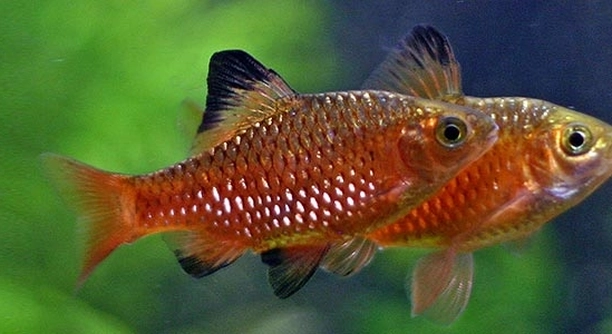
Rosy Barbs are lively and colorful fish that thrive in well-planned aquarium environments. Setting up a tank that meets their needs can improve their health and behavior. Many enthusiasts seek simple ways to create a comfortable home for these fish.
Optimal tank setup for Rosy Barbs includes moderate water flow, plenty of swimming space, live plants for cover, and appropriate water parameters such as temperature and pH. These conditions support their active nature and help reduce stress.
Knowing the right setup tricks will make your Rosy Barbs feel secure and vibrant, enhancing their well-being in your aquarium.
Choosing the Right Tank Size for Rosy Barbs
Rosy Barbs are active swimmers that need enough room to move comfortably. A tank size of at least 20 gallons is recommended for a small group. Larger tanks help maintain stable water conditions, which is crucial for their health. Crowded tanks can cause stress, leading to illness and aggression among fish. Providing enough space also allows for the addition of plants and decorations, which create hiding spots and reduce territorial behavior. Keep in mind that Rosy Barbs are schooling fish, so keeping them in groups of at least five helps them feel secure. Proper tank size is a key factor in promoting natural behavior and longevity.
Smaller tanks may seem convenient, but they often lead to frequent water quality issues that can harm your Rosy Barbs.
When selecting your tank, consider not only the size but also the shape. A longer tank is preferable because it provides more horizontal swimming space, which suits Rosy Barbs’ active nature. Avoid tall, narrow tanks as they limit swimming area. Also, ensure the tank has a secure lid since Rosy Barbs can jump. Consistent maintenance and monitoring water parameters will keep the environment stable. Proper space and conditions support healthy, vibrant fish that display their natural colors and behavior.
Water Conditions and Filtration
Maintaining stable water conditions is essential for Rosy Barbs. They prefer a temperature range between 64°F and 72°F and a pH level around 6.5 to 7.5. Proper filtration helps keep the water clean and oxygenated, reducing stress.
A good filtration system removes waste and toxins while maintaining gentle water flow. Strong currents can tire Rosy Barbs, so choose a filter with adjustable flow settings. Regular water changes of about 20-25% weekly help maintain water quality and prevent harmful buildup. Test water parameters often to catch imbalances early. Keeping the tank clean ensures your fish stay healthy and active.
Filtration also supports beneficial bacteria growth, which breaks down ammonia and nitrites. This natural process is vital to prevent poisoning and maintain a safe environment for your Rosy Barbs. Consistency in water quality is key to their well-being.
Tank Decor and Plants
Rosy Barbs enjoy tanks with plenty of hiding spots created by live plants and decorations. Plants provide cover and help reduce aggression by breaking sight lines. Choose hardy plants like Java fern or Anubias that tolerate their activity.
Decorations such as driftwood and rocks add structure to the tank but should not overcrowd swimming space. Maintain open areas for swimming and play. Soft substrate like sand or fine gravel protects their delicate barbels. Position plants and decor to balance hiding spots and free swimming zones. Proper layout supports natural behavior and reduces stress, helping Rosy Barbs thrive in your care.
Lighting and Temperature Control
Rosy Barbs prefer moderate lighting that mimics natural daylight. Too much light can stress them and promote algae growth. Use a timer to maintain consistent light cycles of about 10 to 12 hours daily.
Stable temperature control is vital. Avoid sudden fluctuations, which can weaken their immune system. Use a reliable heater and thermometer to keep the water between 64°F and 72°F for optimal health.
Feeding Tips for Rosy Barbs
A varied diet is important to keep Rosy Barbs healthy. Offer high-quality flakes or pellets formulated for tropical fish as a staple. Supplement with live or frozen foods like brine shrimp and bloodworms to add protein and nutrients. Feed small amounts twice daily to prevent overfeeding and water pollution. Remove uneaten food promptly to maintain water quality.
Tank Mates to Avoid
Avoid aggressive or fin-nipping species that may stress Rosy Barbs. Peaceful, similarly sized fish work best to create a harmonious community.
FAQ
How often should I change the water in a Rosy Barb tank?
Regular water changes are important to maintain good water quality. Changing 20-25% of the water every week is ideal. This helps remove waste, toxins, and excess nutrients that can build up over time. It also keeps the environment stable, which is important for the health of Rosy Barbs. Be sure to use dechlorinated water at the same temperature as the tank to avoid shocking the fish.
Can Rosy Barbs live with other fish species?
Yes, Rosy Barbs can live with other peaceful fish of similar size. They do well with species like danios, mollies, and tetras. Avoid keeping them with aggressive or slow-moving fish, as Rosy Barbs are active swimmers and can stress or harm more delicate species. Also, steer clear of fish known for fin-nipping, as Rosy Barbs have long fins that could be targeted.
What is the ideal temperature range for Rosy Barbs?
Rosy Barbs thrive in water temperatures between 64°F and 72°F. Maintaining this range helps keep their metabolism steady and supports their immune system. Temperatures outside this range can cause stress or make them more susceptible to disease. Use an aquarium heater and thermometer to monitor and regulate the tank temperature consistently.
How many Rosy Barbs should be kept together?
Rosy Barbs are schooling fish and feel safest in groups. Keeping at least five or more individuals is recommended to prevent stress and aggressive behavior. Smaller groups can lead to territorial disputes and unhealthy social dynamics. Larger groups also display more natural schooling behavior, which is enjoyable to watch.
What do Rosy Barbs eat?
Rosy Barbs are omnivores and require a balanced diet. Provide high-quality flakes or pellets as the staple food. Supplement their diet with live or frozen foods such as bloodworms, brine shrimp, and daphnia. Occasional vegetable matter like blanched spinach or peas can also be offered. Feed small amounts two times per day, avoiding overfeeding to maintain water quality.
How can I prevent aggression among Rosy Barbs?
Aggression can be minimized by keeping them in groups of five or more, providing plenty of swimming space, and adding plants or decorations that break lines of sight. Avoid overcrowding the tank, as limited space increases stress and aggression. Ensuring proper water conditions and a balanced diet also supports calm behavior.
What type of filtration is best for a Rosy Barb tank?
A filter that provides good mechanical and biological filtration with adjustable flow is best. Rosy Barbs prefer moderate water movement, so strong currents should be avoided. A canister or hang-on-back filter with a flow control feature works well. Regular maintenance of the filter is necessary to keep the water clean and safe.
Do Rosy Barbs require special lighting?
Moderate lighting that mimics natural daylight is sufficient for Rosy Barbs. About 10 to 12 hours of light daily supports their natural cycle without encouraging excess algae growth. Using a timer helps maintain consistent lighting. Avoid intense or overly bright lights, which can stress the fish.
Can Rosy Barbs jump out of the tank?
Yes, Rosy Barbs are known to jump, especially if startled or during feeding time. It’s important to have a secure lid or cover on the tank to prevent them from jumping out and injuring themselves.
How long do Rosy Barbs typically live?
With proper care, Rosy Barbs can live between 5 and 8 years. Maintaining good water quality, a balanced diet, and stable tank conditions helps extend their lifespan. Avoiding stress factors like aggression and overcrowding also contributes to their health and longevity.
Final Thoughts
Creating a comfortable and healthy environment for Rosy Barbs requires attention to several important factors. Providing a properly sized tank with enough swimming space is essential. These fish are active and social, so they need room to move and live in groups. A tank that is too small can cause stress and lead to health problems. It is also important to maintain clean and stable water conditions, as Rosy Barbs are sensitive to changes in their environment. Regular water changes and a good filtration system help keep the water clear and safe for the fish.
Lighting, temperature, and tank decorations all play a role in the well-being of Rosy Barbs. Moderate lighting that follows a consistent schedule supports their natural behavior without causing stress. Keeping the water temperature steady within the recommended range ensures they stay healthy. Adding live plants and decorations gives the fish places to hide and explore, which reduces aggression and makes the tank feel more natural. However, it is important not to overcrowd the tank with too many decorations, as Rosy Barbs need open areas for swimming.
Feeding Rosy Barbs a balanced diet and choosing peaceful tank mates contribute to their overall health. Offering a variety of foods, including high-quality flakes, pellets, and occasional live or frozen treats, ensures they receive the nutrients they need. Avoiding aggressive or fin-nipping fish helps prevent injuries and stress. By paying attention to these details, the aquarium will provide a safe and enjoyable home for Rosy Barbs, allowing them to display their vibrant colors and lively personalities. Taking care of Rosy Barbs this way promotes their longevity and makes maintaining the tank a rewarding experience.

Hello,
If you enjoy the content that we create, please consider saying a "Thank You!" by leaving a tip.
Every little bit helps us continue crafting quality advice that supports the health, happiness, and well-being of pets around the world, for pets of all shapes, sizes, and species.
We really appreciate the kindness and support that you show us!