
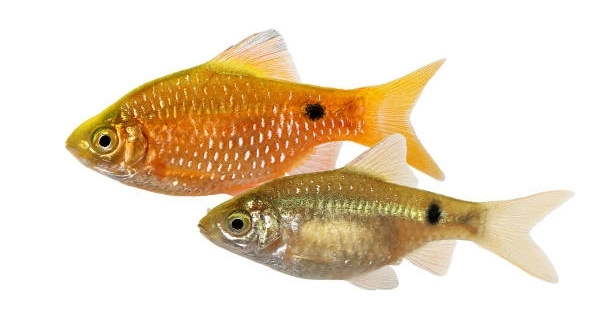
Rosy barbs are popular freshwater fish known for their vibrant colors and active nature. Observing their behavior can reveal how comfortable they feel in their surroundings. Recognizing subtle signs helps in providing the best care for these lively fish.
A rosy barb that likes its environment will swim confidently, explore its space actively, and show bright coloration. It tends to eat well, interact peacefully with tank mates, and exhibit calm, steady movements without signs of stress or hiding.
Noticing these signs can help improve your fish’s well-being and create a healthy aquarium environment for your rosy barbs to thrive.
Confident Swimming and Active Exploration
When a rosy barb feels comfortable, it moves through the tank with ease and confidence. You’ll notice it exploring different areas regularly, not staying in one spot for too long. This behavior shows that the fish is curious and engaged with its environment. Bright colors often accompany this active swimming, which is a sign of good health. A rosy barb that likes its surroundings won’t hide behind decorations or plants. Instead, it will swim openly and interact with its tank mates. Observing this can give you peace of mind that the fish is content. If your rosy barb stays still or hides, it might be stressed or unhappy. Maintaining proper water conditions and providing enough space helps encourage this positive behavior. Active swimming is also important for the fish’s overall fitness and well-being.
Confidence in movement reflects comfort and good health in rosy barbs, so pay attention to their swimming habits.
Watching your rosy barb swim actively and explore encourages a more lively tank environment. It shows the fish is relaxed and enjoys its space. Bright colors and steady movement reflect good care and proper tank conditions. Regular observation helps you notice changes early, ensuring your fish remains happy. This behavior also means the fish is eating well and not feeling threatened. Creating a varied environment with plants and open swimming areas supports this positive activity. When a rosy barb feels safe, it contributes to a balanced aquarium community.
Peaceful Interaction and Healthy Appetite
A rosy barb that enjoys its environment will interact calmly with other fish. It won’t show aggressive or overly shy behavior. Social harmony in the tank is a strong sign the fish feels secure.
Maintaining a healthy appetite is another key indicator. When a rosy barb eats regularly and eagerly, it means it is comfortable and stress-free. Changes in eating habits may point to environmental problems or illness. Healthy food intake supports growth and vibrant color. Feeding small amounts multiple times daily helps keep the fish active and interested. Providing a balanced diet that includes flakes, pellets, and occasional live food contributes to its overall happiness. Social behavior and appetite together give a clearer picture of your fish’s well-being. Keeping the tank clean and stable will help your rosy barb continue to thrive peacefully with its companions.
Fish that interact well and eat consistently reflect a balanced and healthy aquarium environment.
Bright Coloration and Calm Movements
Bright coloration in rosy barbs usually signals good health and comfort. Dull or faded colors can suggest stress or poor water quality. When your fish displays vibrant shades, it is likely feeling secure in its environment.
The colors of rosy barbs intensify when they are happy and well cared for. Proper lighting, a balanced diet, and clean water contribute to maintaining these vivid hues. Stress, illness, or unsuitable tank conditions often cause colors to fade. Calm, steady movements complement this bright appearance. Fish that swim smoothly without rapid or erratic motions are generally relaxed. If your rosy barb moves nervously or hides frequently, it could be a sign of discomfort. Observing color changes alongside behavior provides a clearer understanding of your fish’s condition. Maintaining stable water parameters and feeding nutritious food helps your rosy barb stay colorful and calm.
Healthy coloration and gentle movements work together to reflect a peaceful and well-maintained tank environment.
Signs of Stress to Watch For
Stress in rosy barbs shows in changes to behavior and appearance. Identifying these signs early helps prevent serious health problems.
Stress may cause your fish to lose its bright colors and become lethargic. It might hide more often or display rapid, erratic swimming. Changes in appetite, such as refusing food or overeating, can also occur. Stress often results from poor water quality, overcrowding, or incompatible tank mates. Sudden noises or constant disturbances may make your rosy barb uneasy. Recognizing these symptoms allows for prompt adjustments to improve conditions. Regular water testing and tank maintenance are essential. Providing hiding spots and ensuring enough space help reduce stress. Addressing these issues quickly supports your fish’s health and happiness over time.
Comfortable Resting Spots
Rosy barbs need places to rest that feel safe and quiet. Plants, rocks, or decorations provide shelter where they can relax without feeling exposed.
Providing these spots helps reduce stress and encourages natural behavior. A comfortable resting area supports your fish’s well-being and allows it to feel secure in the tank.
Consistent Water Quality
Stable water parameters are essential for rosy barbs to thrive. Fluctuations in temperature, pH, or ammonia levels cause stress and illness. Regular testing and maintenance keep the environment healthy and predictable for your fish.
Interaction with Tank Mates
Rosy barbs that like their environment interact peacefully with other fish. Aggression or avoidance signals discomfort or stress, which should be addressed quickly.
Active Foraging Behavior
Active searching for food is a good sign that your rosy barb feels at ease. It shows interest in its surroundings and engages in normal, healthy behavior.
FAQ
How can I tell if my rosy barb is happy in its tank?
A happy rosy barb will swim actively, show bright colors, and interact calmly with other fish. It will eat regularly and explore its surroundings without hiding. Calm, steady movements and consistent behavior are good signs your fish feels comfortable.
What causes a rosy barb to lose its color?
Fading colors often indicate stress, illness, or poor water quality. Changes in temperature, ammonia spikes, or overcrowding can cause discoloration. Ensuring clean water and a balanced diet helps maintain vibrant colors.
Why does my rosy barb hide so much?
Hiding can mean stress or discomfort. Common reasons include aggressive tank mates, sudden changes in water parameters, or insufficient hiding places. Creating a balanced environment with plants and decorations reduces hiding behavior.
How often should I feed my rosy barb?
Feed small amounts two to three times daily. Overfeeding can pollute the tank, while underfeeding affects health. A varied diet including flakes, pellets, and occasional live food keeps your fish healthy and interested.
What water conditions are best for rosy barbs?
Rosy barbs prefer temperatures between 64°F and 72°F (18°C to 22°C), a pH level of 6.5 to 7.5, and low ammonia and nitrite levels. Consistent water quality supports their health and reduces stress.
Can rosy barbs live with other fish species?
Yes, rosy barbs are generally peaceful but active. They do well with similarly sized, non-aggressive fish. Avoid very slow-moving or delicate species that might be stressed by their activity.
How can I reduce stress for my rosy barb?
Maintain clean water, provide hiding spots, avoid overcrowding, and keep a stable environment. Minimizing sudden changes and loud noises also helps reduce stress.
What signs show my rosy barb is sick?
Look for faded colors, clamped fins, erratic swimming, loss of appetite, or spots on the body. Early detection helps improve recovery chances.
How important is tank size for rosy barbs?
Tank size matters. Rosy barbs are active swimmers and need at least 20 gallons for a small group. More space prevents aggression and promotes healthy behavior.
Is it normal for rosy barbs to nip fins?
They may nip fins if stressed or overcrowded. Providing enough space and compatible tank mates reduces this behavior. If fin nipping continues, reassess tank conditions.
How often should I change the water?
Changing 25-30% of the water weekly keeps the environment clean and stable. Regular water changes help prevent buildup of harmful substances.
Can rosy barbs recognize their owners?
While they don’t recognize people like pets do, rosy barbs can learn feeding routines and become comfortable with your presence. This familiarity helps reduce stress during care.
Final Thoughts
Taking care of rosy barbs means paying close attention to their behavior and environment. These fish show subtle signs when they feel comfortable or stressed. Active swimming, bright colors, and peaceful interaction with other fish are good indicators of their well-being. By observing these signs carefully, you can understand if your rosy barb is happy or if changes are needed to improve its living conditions. Ensuring the tank is clean and the water quality is stable plays a major role in keeping them healthy. Providing a balanced diet and proper space also helps your fish thrive. When these basic needs are met, rosy barbs tend to show contentment in their movements and appearance.
Creating a stable environment for rosy barbs requires routine care and attention. Regular water testing, partial water changes, and keeping the tank free of overcrowding support their health. It is important to offer hiding spots like plants and decorations to reduce stress. Fish that feel safe and secure will explore their environment more freely and behave naturally. Paying attention to their eating habits is also helpful. A healthy appetite usually means the fish is comfortable, while loss of appetite can signal problems. Keeping the tank conditions steady and avoiding sudden changes helps prevent stress and illness. These small efforts make a big difference in maintaining a peaceful and thriving aquarium.
Ultimately, the well-being of rosy barbs depends on consistent care and understanding of their needs. Watching for subtle signs like coloration, movement, and social behavior allows you to respond quickly to any issues. A happy rosy barb contributes to a lively and balanced tank community. By providing a clean, stable, and enriched environment, you encourage natural behavior and long-term health. While caring for these fish is not difficult, it requires attention to detail and patience. Keeping these points in mind ensures that your rosy barbs enjoy their home and remain vibrant for a long time.

Hello,
If you enjoy the content that we create, please consider saying a "Thank You!" by leaving a tip.
Every little bit helps us continue crafting quality advice that supports the health, happiness, and well-being of pets around the world, for pets of all shapes, sizes, and species.
We really appreciate the kindness and support that you show us!