
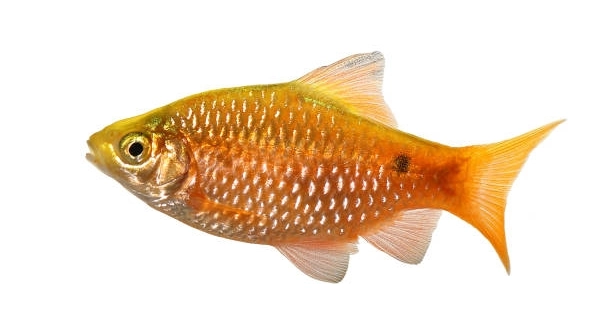
Do you ever watch your Rosy Barbs swimming and wonder if they show signs of playfulness? These small, colorful fish often brighten up home aquariums with their lively movements and social behavior. Understanding their nature can add to the joy of keeping them.
Rosy Barbs exhibit playful behaviors such as chasing each other, exploring their environment, and engaging in social interactions. These actions suggest a level of curiosity and activity that can be interpreted as playfulness within their species.
Learning about their playful traits can help you create a better environment for your fish and enjoy their company even more.
How Rosy Barbs Show Playful Behavior
Rosy Barbs are known for their energetic swimming patterns. They often chase each other around the tank in short bursts, which can look like play. Sometimes they explore new areas or swim through plants and decorations repeatedly. This behavior is more than just movement; it shows their curiosity and comfort in the environment. They also interact socially by nudging or following one another, which may be part of their playful nature. Observing these actions can make watching your tank more enjoyable. Their activity levels tend to increase when they feel safe and healthy, so providing a proper tank setup encourages this behavior. Bright lighting and enough space help them swim freely and express these playful traits naturally. Overall, their movements give clues about their mood and well-being, showing that playfulness is part of their daily life.
Playful actions like chasing and exploring are common signs that Rosy Barbs are active and engaged.
By understanding these behaviors, you can better meet their needs and create an environment that keeps them lively and happy.
Encouraging Playfulness in Rosy Barbs
Creating a stimulating tank environment is key to encouraging playful behavior in Rosy Barbs. Including plants, open swimming areas, and safe hiding spots makes the tank more interesting. Changing decorations occasionally also keeps the environment fresh and sparks their curiosity. Proper water quality and a balanced diet contribute to their energy and willingness to engage in playful activities. Social interaction with other Rosy Barbs is important too, as they are schooling fish that thrive in groups. When these conditions are met, you’ll notice more chasing, exploring, and socializing, which are signs of their playful nature. Regular observation will help you see what excites them most and allow you to adjust the environment accordingly. Playfulness is a good indicator that your fish are healthy and comfortable in their home.
Signs That Rosy Barbs Are Playful
Rosy Barbs show playfulness through active swimming and chasing behavior. They often dart around and interact with tank mates in quick, lively movements.
When Rosy Barbs chase each other, it’s not always aggression but sometimes a form of play. They may swim quickly around the tank or through plants, showing bursts of energy. These short sprints and repeated routes suggest they enjoy movement as a form of entertainment. Their playful behavior also includes gentle nips or nudges to one another without causing harm, which helps keep their social bonds strong. Watching these interactions reveals their natural curiosity and liveliness.
In some cases, Rosy Barbs will explore new objects or decorations in the tank with repeated approaches and retreats. This behavior indicates interest and mental stimulation. Playful fish are more likely to investigate changes, showing their environment matters to their happiness.
Factors That Affect Playfulness in Rosy Barbs
Water quality and tank size strongly influence how playful Rosy Barbs can be. Poor conditions usually make them less active.
A tank that is too small or crowded restricts their swimming, which reduces opportunities for playful chasing and exploring. Clean water with stable temperature and pH keeps them healthy and energetic. Stress from poor water conditions or aggressive tank mates often leads to hiding or lethargy, masking their natural playfulness. Proper feeding also plays a role; a well-fed fish has more energy to engage in lively behavior. Ensuring these factors creates the right environment for Rosy Barbs to express their natural playful tendencies.
How Tank Setup Influences Playfulness
A well-arranged tank encourages Rosy Barbs to be more active and playful. Open spaces for swimming and hiding spots create balance.
Plants, decorations, and clear swimming paths offer stimulation. These elements help fish explore and engage with their environment comfortably.
Social Behavior and Playfulness
Rosy Barbs are schooling fish that rely on group interaction for play. Being in a group allows them to chase and swim together, increasing activity. Isolation can reduce their energy and interest in movement, making them less lively and playful. Group dynamics encourage natural behavior and help them feel secure.
Feeding and Energy Levels
A balanced diet directly affects the energy Rosy Barbs have for play. Proper feeding keeps them lively.
Observing Playfulness Over Time
Playfulness may increase as Rosy Barbs get used to their environment and tank mates.
FAQ
Do Rosy Barbs play like other pets?
Rosy Barbs don’t play in the same way dogs or cats do, but they show signs of playfulness through their active swimming and social behavior. Their chasing and exploring are similar to play, helping them stay mentally and physically healthy.
How can I tell if my Rosy Barbs are happy?
Happy Rosy Barbs swim actively, interact with tank mates, and explore their surroundings. They show bright colors and do not hide for long periods. Playful behaviors like chasing and quick bursts of movement are good signs of well-being.
What tank size is best for Rosy Barbs’ playfulness?
A tank of at least 20 gallons is recommended for a small group of Rosy Barbs. This size allows enough room for swimming and social interactions, encouraging playful chasing and exploring.
Can Rosy Barbs become bored?
Yes, they can. A dull, overcrowded, or poorly decorated tank may cause boredom. Changing decorations or adding plants and hiding spots can help keep their environment interesting and stimulate their natural curiosity.
How many Rosy Barbs should I keep together?
It’s best to keep at least five Rosy Barbs in a group. They are schooling fish, and being in a group helps them feel safe and encourages natural social and playful behavior.
Do Rosy Barbs need specific tank mates to play?
They do best with peaceful fish of similar size and temperament. Aggressive or very slow-moving tank mates may stress Rosy Barbs and reduce their playful behavior.
Does diet affect playfulness in Rosy Barbs?
Yes, a balanced diet with quality flakes, pellets, and occasional live or frozen food keeps them healthy and energetic. Low energy from poor diet leads to less activity and reduced playfulness.
How do I encourage my Rosy Barbs to be more playful?
Provide a clean, spacious tank with plants and hiding spots. Keep them in groups, feed a balanced diet, and maintain good water quality. Regularly changing the tank layout or adding new decorations can stimulate curiosity and play.
Is chasing always a sign of aggression?
Not always. Rosy Barbs often chase each other as a form of play or social interaction. Watch closely—if chasing results in nipping or injury, it could be aggression, but light chasing is normal and playful.
How long does it take for Rosy Barbs to start showing playful behavior?
Playful behavior can appear once they feel comfortable and safe in their environment, usually after a few days to a couple of weeks. Proper tank conditions and social groups speed up this adjustment.
Can stress affect their playfulness?
Stress from poor water conditions, overcrowding, or aggressive tank mates reduces their activity and playfulness. Managing these stress factors helps maintain their natural behaviors.
Are there signs that show my Rosy Barbs are not playful anymore?
Signs include hiding constantly, slow movements, loss of appetite, or faded colors. These may indicate illness, stress, or poor tank conditions that reduce their energy and willingness to play.
Do Rosy Barbs play with tank decorations?
They don’t play with objects like pets do, but they explore and swim around decorations. This exploration is part of their natural curiosity and can be seen as a form of play.
How important is water temperature for their activity?
Maintaining water between 64°F and 72°F supports their metabolism and activity levels. Too cold or too warm water can make them sluggish and less likely to show playful behavior.
Can Rosy Barbs play with humans?
They don’t interact playfully with humans like some pets but may recognize their presence and swim near the glass. This can be a sign of curiosity and comfort rather than play.
Rosy Barbs are lively and active fish that often show behaviors which can be seen as playful. Their chasing, exploring, and social interactions are natural parts of how they live and communicate. These actions help keep them healthy and engaged in their environment. By watching them closely, you can notice how they express curiosity and energy. This makes caring for Rosy Barbs more enjoyable because you get to see their personality come through in the way they swim and interact. Knowing that these behaviors are signs of playfulness can help you appreciate your fish even more.
Creating the right environment is important to encourage this playful nature. Rosy Barbs need enough space to swim freely and places to explore, like plants and decorations. They also do best in groups because they are social fish that feel safer and more active with company. Water quality and a proper diet are key to keeping them healthy and energetic. When these needs are met, Rosy Barbs show more of their natural behaviors, including playful chasing and investigating their tank. Paying attention to these details will make your tank a better home for your fish and allow you to enjoy their lively presence.
Remember, each Rosy Barb may show playfulness differently, depending on its personality and environment. Some may be more active, while others are calmer, but all benefit from a well-maintained tank and social surroundings. Watching how they move and interact gives clues about their well-being and mood. By providing good care and a stimulating environment, you help your Rosy Barbs thrive and express their playful nature. This makes keeping them rewarding and creates a more interesting and lively aquarium to enjoy every day.

Hello,
If you enjoy the content that we create, please consider saying a "Thank You!" by leaving a tip.
Every little bit helps us continue crafting quality advice that supports the health, happiness, and well-being of pets around the world, for pets of all shapes, sizes, and species.
We really appreciate the kindness and support that you show us!