
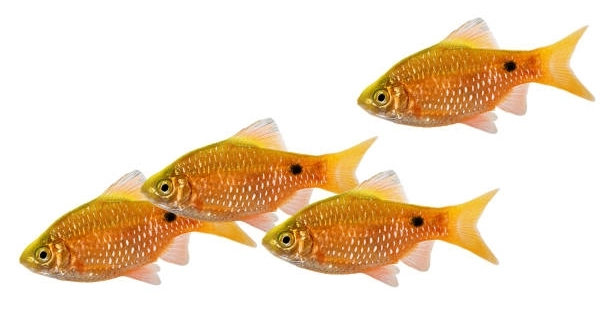
Are you thinking about adding a new fish to your aquarium but feel unsure about which species would be a good fit? Rosy Barbs might be the bright and active addition you’ve been looking for.
Rosy Barbs are a popular choice for freshwater tanks because of their striking colors, peaceful temperament, and ability to adapt to various water conditions. They also bring energy and social behavior that can enhance the overall dynamic of your aquarium.
From their easy care needs to their compatibility with many other fish, there are several reasons why Rosy Barbs might be the perfect next addition to your tank.
Rosy Barbs Are Visually Striking
Rosy Barbs are known for their vivid coloration and shimmering scales. Their shades of red, pink, and orange make them stand out in almost any aquarium setting. When kept in healthy conditions, their colors intensify, especially during mating periods. These fish can grow up to six inches, so they add more than just a splash of color—they create movement and personality in your tank. Their sleek, torpedo-shaped bodies reflect light beautifully as they swim, making them a favorite for display tanks. They are active swimmers and enjoy space, so a well-decorated, medium-to-large tank helps highlight their natural beauty.
Their bright appearance isn’t just for looks—it also indicates good health.
Keeping Rosy Barbs with dark substrate and good lighting can enhance their colors even more. They’re especially eye-catching in planted tanks, where their warm tones contrast nicely against greens and browns. If you’re hoping to make your aquarium more attractive, these fish offer visual appeal that’s easy to maintain.
Rosy Barbs Are Easy to Care For
Rosy Barbs do well in a wide range of water parameters and don’t require specialized care, which makes them ideal for new and experienced aquarists alike.
They tolerate temperatures between 64–72°F and thrive in slightly acidic to neutral water (pH 6.0–7.5). Their adaptability means you won’t need to make constant water adjustments. A basic tank setup with good filtration, regular water changes, and moderate lighting will keep them healthy and active. They aren’t picky eaters and will accept flakes, pellets, frozen foods, and the occasional live treat like brine shrimp. Because they are social fish, they do best in groups of at least five, which helps reduce stress and encourages natural behaviors like schooling. Watching a small group of Rosy Barbs swim together can be relaxing and rewarding. Their hardiness also makes them less prone to common freshwater illnesses, as long as basic tank hygiene is maintained.
Rosy Barbs Are Active and Entertaining
Rosy Barbs are constantly on the move, which makes them enjoyable to watch. Their playful swimming and social behavior can bring more life and energy to a tank that feels too still or quiet.
They tend to swim in the middle to lower sections of the tank, often chasing each other or exploring decorations. This active behavior isn’t aggressive—it’s part of how they interact. Their movement can encourage other fish to become more active too. Keeping them in small groups helps reduce boredom and stress. You might notice them following one another in little loops or darting in and out of plants. They’re especially lively during feeding times and respond well to routine. Even after settling in, they don’t hide often, which means you’ll almost always see them moving around.
Because of their curious nature, they often investigate new objects or changes in the tank. This makes them feel engaging without needing extra care.
Rosy Barbs Are Compatible with Other Fish
Rosy Barbs get along well with many peaceful freshwater species. Their calm nature helps prevent problems in community tanks, especially when they’re kept in a proper group. They’re not aggressive, but their energy might annoy slower fish.
They do best with other active species that can keep up with their pace. Good tank mates include danios, tetras, rainbowfish, and some types of barbs. Avoid housing them with very small or long-finned fish like bettas or fancy guppies, as they might nip fins during fast movements. Keeping them in groups of five or more helps focus their attention within their own group, reducing unwanted behaviors. They’re rarely territorial, so as long as there’s enough space, they don’t fight over tank areas. Watching them interact peacefully with other fish makes for a low-stress, well-balanced tank. Regular feeding and plenty of decorations or plants also keep things calm and enjoyable.
Rosy Barbs Help Reduce Tank Stress
Rosy Barbs are peaceful and thrive in groups, which helps create a calmer environment in community tanks. Their presence can reduce stress in other fish by keeping energy levels balanced and reducing aggression.
They are less likely to chase or intimidate tank mates when kept in small schools. This makes them a steady, non-disruptive species.
Rosy Barbs Are Affordable and Easy to Find
Rosy Barbs are usually inexpensive and available at most pet stores, making them a practical option for both new and experienced fish keepers. Their low cost doesn’t reflect their quality—they’re colorful, active, and adaptable. You don’t need special equipment to keep them happy, which keeps ongoing costs low.
Rosy Barbs Are Fun to Feed
They’re enthusiastic eaters and quickly learn feeding routines. Watching them dart to the surface or pick at sinking food adds a bit of excitement to daily care.
FAQ
How many Rosy Barbs should I keep together?
Rosy Barbs are schooling fish, so they do best in groups of at least five. Keeping fewer than five can lead to stress and shy behavior. A group of five or more encourages natural schooling, reduces aggression, and makes them feel secure.
What size tank is suitable for Rosy Barbs?
A minimum tank size of 20 gallons is recommended for a small group of Rosy Barbs. They are active swimmers and need space to move freely. Larger tanks are better, especially if you plan to keep other fish or plants.
What water conditions do Rosy Barbs prefer?
They thrive in temperatures between 64 and 72°F (18–22°C) and prefer a pH range of 6.0 to 7.5. They tolerate a wide range of water hardness but do best in moderately soft to moderately hard water. Stable conditions help keep them healthy.
Are Rosy Barbs aggressive?
Rosy Barbs are generally peaceful, but they can be a little nippy, especially if kept in too small groups or with slow-moving fish. Keeping them in groups reduces this behavior. Avoid keeping them with very slow or long-finned species.
What do Rosy Barbs eat?
They are not picky eaters. Rosy Barbs will eat flakes, pellets, frozen foods like bloodworms, and live foods such as brine shrimp. A varied diet helps maintain their color and health. Feeding small amounts twice a day works well.
How long do Rosy Barbs live?
With proper care, Rosy Barbs can live between 5 and 8 years. Good water quality, a balanced diet, and a stress-free environment contribute to their lifespan. Regular tank maintenance is essential.
Can Rosy Barbs breed in home aquariums?
Yes, Rosy Barbs can breed in home tanks. They scatter eggs among plants, and the adults do not care for the fry. It’s best to provide fine-leaved plants or spawning mops for egg protection. Remove adults after spawning to prevent them from eating the eggs.
Do Rosy Barbs need special lighting?
Normal aquarium lighting is sufficient for Rosy Barbs. While they don’t require intense light, good lighting helps show off their colors. Using a dark substrate can also enhance their appearance.
Are Rosy Barbs compatible with plants?
Yes, Rosy Barbs are compatible with most aquarium plants. They may nibble on soft plants occasionally but generally don’t cause damage. Plants provide hiding spots and help create a natural environment that Rosy Barbs enjoy.
How often should I change the water in a Rosy Barb tank?
Changing about 20-30% of the water weekly helps maintain water quality. Regular water changes prevent the buildup of toxins and keep the fish healthy. Using a water conditioner during changes is recommended to remove chlorine and chloramine.
Can Rosy Barbs live with bettas or fancy guppies?
It’s not ideal to keep Rosy Barbs with bettas or fancy guppies. Rosy Barbs’ active swimming and occasional fin-nipping can stress or injure these slower or long-finned fish. Choosing more compatible tank mates leads to a peaceful aquarium.
What signs show that a Rosy Barb is stressed or sick?
Signs of stress or illness include faded color, lethargy, loss of appetite, clamped fins, or unusual swimming patterns. Regular observation helps catch problems early. Quarantining new fish before adding them to the main tank reduces disease risks.
How do I introduce Rosy Barbs to a new tank?
Float the sealed bag in the tank for 15-20 minutes to equalize temperature. Gradually add small amounts of tank water to the bag over 30 minutes to acclimate the fish. Afterward, gently release them into the tank to reduce shock.
Do Rosy Barbs require a filter?
Yes, a filter is necessary to maintain water quality by removing waste and providing oxygen. A moderate flow filter suits Rosy Barbs since they prefer some water movement but not strong currents. Proper filtration supports their health and activity levels.
What plants work best with Rosy Barbs?
Hardy plants like Java fern, Anubias, and Vallisneria do well with Rosy Barbs. These plants withstand some nibbling and offer hiding spaces. Floating plants can also provide shade and reduce stress for the fish.
How can I enhance Rosy Barbs’ colors?
Feeding a varied diet rich in carotenoids and keeping water clean helps maintain vibrant colors. Proper lighting and a stress-free environment also improve their appearance. Avoid overcrowding, which can dull their colors.
Is it okay to keep Rosy Barbs with goldfish?
Rosy Barbs and goldfish have different temperature needs and behaviors. Goldfish prefer cooler water and produce more waste, which can affect water quality for Rosy Barbs. It’s better to keep them separate for optimal health.
Can Rosy Barbs jump out of the tank?
Rosy Barbs can jump if startled or if water quality is poor. A secure lid on the aquarium is recommended to prevent escapes and protect the fish from outside dangers.
Are Rosy Barbs sensitive to water changes?
They are moderately tolerant but sudden, large water changes can cause stress. Gradual and regular changes keep their environment stable and reduce health issues.
How fast do Rosy Barbs grow?
Rosy Barbs grow quickly during the first few months, reaching about 2-3 inches in 6 months. With good care, they mature fully at around 4-6 inches within a year. Proper nutrition supports healthy growth.
What do I do if my Rosy Barbs are fighting?
Fighting often happens if the group is too small or the tank is overcrowded. Increasing group size, providing hiding spots, and ensuring enough space can reduce aggression. Removing the most aggressive fish may be necessary in some cases.
Rosy Barbs are a solid choice for many freshwater aquarium setups. Their bright colors and lively behavior bring energy and visual appeal to the tank without requiring overly complex care. They adapt well to a range of water conditions and can live happily in moderately sized tanks. Because they are active swimmers and social fish, keeping them in groups of five or more helps maintain their well-being and encourages natural behavior. They generally stay peaceful, making them suitable for community tanks with other compatible fish. Their ease of care makes them accessible for both beginners and experienced fish keepers looking to add a splash of color and movement to their aquarium.
Feeding Rosy Barbs is straightforward, as they accept a wide variety of foods, including flakes, pellets, frozen, and live options. Maintaining a balanced diet helps keep their colors bright and supports overall health. Regular water changes and good filtration are important to keep their environment clean and safe. While Rosy Barbs are hardy, they do best with stable water parameters and enough space to swim freely. A well-planted tank with moderate lighting helps create a comfortable habitat and enhances the natural look of the aquarium. By following these basic care guidelines, Rosy Barbs can thrive and provide enjoyment for years.
In summary, Rosy Barbs combine beauty, activity, and easy maintenance in one fish. Their ability to coexist peacefully with many other species adds to their appeal for community tanks. They are affordable and widely available, making them an accessible option for most aquarists. Whether you want to brighten a new tank or add energy to an established one, Rosy Barbs are a dependable choice. Taking time to ensure proper group size, diet, and water quality will result in a healthy, vibrant school that livens up any freshwater aquarium space.

Hello,
If you enjoy the content that we create, please consider saying a "Thank You!" by leaving a tip.
Every little bit helps us continue crafting quality advice that supports the health, happiness, and well-being of pets around the world, for pets of all shapes, sizes, and species.
We really appreciate the kindness and support that you show us!