
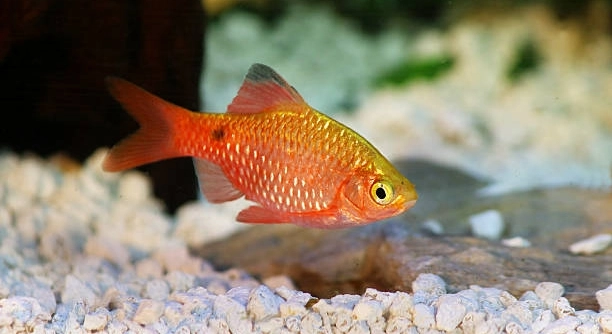
Rosy barbs are popular freshwater fish known for their vibrant colors and active behavior. Many owners enjoy watching them, but sometimes these fish become shy and hide more than usual. Understanding why this happens can help improve their well-being.
Rosy barb shyness is usually caused by environmental stress, poor water quality, overcrowding, lack of hiding spots, sudden changes, aggressive tank mates, or illness. These factors affect their comfort and safety, leading to withdrawn behavior.
Learning about these causes will help you create a better home for your rosy barbs and keep them healthy and lively.
Environmental Stress
Environmental stress is one of the main reasons rosy barbs become shy. These fish are sensitive to changes in their surroundings. Loud noises, sudden movements near the tank, or bright lights can make them feel unsafe. When they sense danger, their natural reaction is to hide or stay still. Stress can also come from poor tank conditions like improper temperature or wrong pH levels. These factors disrupt their normal behavior and cause anxiety. Stress weakens their immune system, making them more prone to illness. Creating a calm, stable environment is key to helping rosy barbs feel secure. Gentle handling and keeping the tank in a quiet spot reduce stress significantly.
Stress affects their behavior by making rosy barbs retreat and avoid activity.
Maintaining consistent conditions with a steady temperature between 74°F and 79°F helps prevent stress. Avoid placing the tank where there’s frequent disturbance or direct sunlight. Using dim lighting or floating plants can reduce brightness and create hiding spaces, helping the fish feel safe. Slowly introducing changes and avoiding overcrowding also reduces anxiety, encouraging rosy barbs to swim confidently.
Poor Water Quality
Poor water quality can cause shy behavior in rosy barbs. Dirty or unbalanced water makes them uncomfortable and stressed. High ammonia, nitrite, or nitrate levels irritate their gills and skin. This discomfort causes them to hide and reduce activity. Frequent water changes and a good filtration system are important to keep water clean. Testing water regularly ensures parameters are within a safe range.
When water quality declines, rosy barbs may lose color and become inactive, signaling distress.
To maintain good water quality, change 25% of the tank water weekly. Use a reliable water test kit to check ammonia, nitrite, and nitrate levels. Keep ammonia and nitrite at zero, and nitrates below 20 ppm. Avoid overfeeding as leftover food decomposes and pollutes the water. A proper filter and not overcrowding the tank will help keep the environment healthy. Clean water helps rosy barbs stay active and visible instead of shy and hidden.
Overcrowding
Overcrowding causes rosy barbs to feel stressed and shy. Too many fish in one tank limit swimming space and increase competition for resources. This pressure makes them hide more often.
When the tank is crowded, water quality also worsens faster, adding to the stress. Rosy barbs need room to swim freely and establish territories. Overcrowding leads to aggression between fish, which can cause injuries or constant chasing. These behaviors increase fear and make shy fish hide more. Keeping the tank population balanced is essential for healthy fish behavior.
Providing at least 20 gallons for a small group of rosy barbs allows enough space to swim and reduces stress. Regularly monitor the number of fish and their size to avoid overcrowding. This helps maintain calm interactions and a peaceful tank environment where rosy barbs feel safe to explore.
Lack of Hiding Spots
Rosy barbs need places to hide to feel secure. Without enough hiding spots, they become vulnerable and shy. Adding plants, decorations, or caves gives them shelter.
Hiding spots create a sense of safety by breaking the line of sight, which lowers stress. Natural or artificial plants, driftwood, and rock caves work well. These areas also reduce aggression from other fish by offering retreat zones. A tank without enough cover leaves rosy barbs exposed and anxious. Including varied hiding places encourages more confident and active behavior.
Placing hiding spots in different parts of the tank helps rosy barbs choose where they feel most comfortable. These shelters also enrich their environment, making the aquarium more natural and stimulating. When they can hide, rosy barbs show more normal swimming and feeding habits instead of hiding constantly.
Sudden Changes
Sudden changes in the tank, like water temperature or lighting shifts, cause rosy barbs to become shy. They need time to adjust slowly. Rapid changes create stress and fear, leading to hiding.
Moving decorations or adding new fish without preparation also startle them. Consistency helps maintain their comfort.
Aggressive Tank Mates
Aggressive fish in the same tank scare rosy barbs and cause them to hide. Constant chasing or nipping forces shy behavior. Keeping peaceful companions is essential to reduce stress and allow rosy barbs to swim freely without fear.
Illness
Illness makes rosy barbs weak and shy. Sick fish often hide and avoid activity. Symptoms like faded color, clamped fins, or labored breathing indicate health problems. Prompt care and treatment improve their chances of recovery and returning to normal behavior.
Water Temperature Fluctuations
Rosy barbs prefer stable water temperatures. Fluctuations cause discomfort and stress, making them shy. Maintaining a steady temperature between 74°F and 79°F helps keep them active and healthy.
Why is my rosy barb hiding all the time?
Your rosy barb is likely hiding due to stress, poor water quality, or feeling unsafe. Fish often hide when they experience sudden changes, overcrowding, or aggressive tank mates. Ensuring stable water conditions, providing enough space, and adding hiding spots helps reduce this behavior.
How can I make my rosy barb less shy?
To help your rosy barb feel more comfortable, keep the tank environment stable and quiet. Avoid sudden movements or loud noises near the aquarium. Add plants or decorations for hiding places, and keep the tank population balanced to avoid overcrowding. Regular water testing and maintaining proper temperature are also important.
Can poor water quality cause rosy barbs to become shy?
Yes, poor water quality is a common reason for shy behavior in rosy barbs. High levels of ammonia, nitrite, or nitrate irritate their gills and skin, causing discomfort. Regular water changes, proper filtration, and monitoring water parameters keep the tank healthy and your fish active.
What tank mates are good for rosy barbs?
Peaceful fish that swim at similar levels work well with rosy barbs. Avoid aggressive or overly territorial species. Good companions include danios, tetras, and some types of barbs. Keeping compatible fish reduces stress and prevents shy behavior caused by bullying.
How much space do rosy barbs need?
Rosy barbs need at least 20 gallons for a small group. They are active swimmers and need room to move freely. Overcrowding stresses them and causes hiding. Provide enough space and avoid adding too many fish to maintain a healthy environment.
Do rosy barbs need hiding spots?
Yes, hiding spots are essential for rosy barbs to feel secure. Plants, caves, and decorations break up open areas and give them safe places to retreat. This lowers stress and helps shy fish become more confident and active.
Can illness cause rosy barbs to be shy?
Illness often leads to shy behavior. Sick rosy barbs may hide, lose color, and avoid eating. Watch for symptoms like clamped fins, lethargy, or difficulty breathing. Early diagnosis and treatment are key to recovery and returning to normal behavior.
How important is water temperature for rosy barbs?
Water temperature is very important. Rosy barbs prefer 74°F to 79°F. Fluctuations or temperatures outside this range cause stress and hiding. Use a reliable heater and thermometer to keep the temperature stable for healthy fish.
What signs show my rosy barb is stressed?
Signs of stress include hiding, loss of color, rapid breathing, and reduced activity. Stress can also lead to illness. Keeping the tank environment calm, clean, and well-maintained helps prevent these signs.
How often should I change the water for rosy barbs?
Changing 25% of the tank water weekly keeps conditions healthy. Frequent water changes reduce toxins and maintain good water quality, which prevents shy behavior linked to discomfort and stress.
Rosy barbs are lively and colorful fish that bring joy to many aquariums. However, their shy behavior can be worrying for fish owners. Understanding the reasons behind their shyness is important for keeping them healthy and happy. Factors like environmental stress, poor water quality, overcrowding, lack of hiding spots, sudden changes, aggressive tank mates, and illness all play a role in how these fish behave. By recognizing these causes, you can make the necessary changes to improve their comfort and reduce their tendency to hide.
Creating a stable and safe environment is key. This means maintaining clean water with regular testing and water changes, providing enough space for swimming, and adding places for them to hide. Keeping the tank quiet and avoiding sudden changes helps reduce stress. It’s also important to choose peaceful tank mates that won’t bully your rosy barbs. Illness should never be overlooked; early detection and treatment can prevent long-term problems and encourage your fish to be more active again. Small, consistent efforts in tank care go a long way in improving their overall behavior.
Paying attention to your rosy barbs’ needs and habits helps create a healthier aquarium. When their environment is right, they become more confident and visible, making it easier to enjoy watching their bright colors and playful swimming. Taking these steps not only supports their well-being but also makes caring for them more rewarding. With time and care, shy rosy barbs can become more outgoing and thrive in your tank, adding life and movement to your aquatic setup.

Hello,
If you enjoy the content that we create, please consider saying a "Thank You!" by leaving a tip.
Every little bit helps us continue crafting quality advice that supports the health, happiness, and well-being of pets around the world, for pets of all shapes, sizes, and species.
We really appreciate the kindness and support that you show us!