
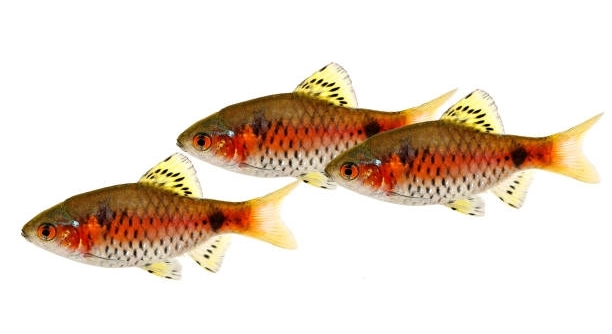
Rosy barbs are popular aquarium fish known for their vibrant colors and lively behavior. Many fish enthusiasts enjoy watching their movements and interactions. Understanding if these fish can show emotional responses adds a new dimension to caring for them.
Research indicates that while rosy barbs do not experience emotions like humans, they exhibit behavioral changes in response to environmental stimuli. These changes suggest a form of stress or comfort rather than complex emotional responses.
Recognizing these subtle behaviors can improve how we care for rosy barbs and create a better environment for their well-being.
Understanding Rosy Barbs’ Behavior
Rosy barbs often show behaviors that reveal how they respond to their surroundings. They may swim actively when they feel safe and comfortable, or hide when stressed or threatened. Changes in their swimming patterns, coloration, or appetite can indicate their reaction to environmental factors such as water quality, tank mates, or lighting. For example, sudden dullness in color or erratic movements can suggest discomfort or stress. These responses help us understand their needs better. Observing their behavior closely allows us to adjust care routines, ensuring a healthier habitat. Although these fish do not express emotions as humans do, their actions reflect basic survival instincts and comfort levels.
Careful attention to these signals can prevent health problems and improve the overall tank environment.
Recognizing these behavior patterns provides valuable insight. It helps maintain a stable, stress-free habitat for rosy barbs, promoting their longevity and vitality in captivity.
Factors Affecting Their Emotional-Like Responses
Water conditions, tank size, and social interactions all influence how rosy barbs behave.
Proper water temperature and cleanliness reduce stress and promote natural behavior. Overcrowded tanks cause anxiety, leading to aggressive or withdrawn actions. Compatible tank mates encourage social swimming and activity, which mimic positive responses. These factors together create an environment where rosy barbs feel secure and act naturally. Adjusting any of these elements can lead to noticeable changes in their behavior and appearance. Observing these changes closely is essential to maintaining their well-being and minimizing distress.
Signs of Stress in Rosy Barbs
Stress in rosy barbs can be subtle but noticeable. Common signs include loss of color, erratic swimming, and hiding more than usual.
When rosy barbs experience stress, their behavior shifts to protect themselves. They might swim rapidly in circles or cling to corners of the tank. Color fading often happens because stress affects their immune system, making them more vulnerable to disease. Stress can also reduce their appetite, causing weight loss over time. Environmental factors like poor water quality or aggressive tank mates often trigger these signs. Monitoring these symptoms early helps prevent serious health issues.
In some cases, stressed rosy barbs might also show changes in breathing rate, becoming faster or labored. These signs are important indicators of distress and should prompt immediate attention to their tank conditions.
Creating a Comfortable Environment for Rosy Barbs
Maintaining clean, stable water conditions is essential for keeping rosy barbs healthy. Regular water changes and monitoring temperature help reduce stress.
Tank size matters; a minimum of 20 gallons is recommended to provide enough space for swimming. Avoid overcrowding to prevent aggression and stress among fish. Providing hiding spots with plants or decorations allows rosy barbs to retreat when needed, which promotes calm behavior. Social interaction also plays a role—rosy barbs do better in groups of at least six to feel secure. Balancing these elements creates a supportive environment that encourages natural, relaxed behavior in rosy barbs.
Interaction with Tank Mates
Rosy barbs are social fish that thrive in groups. They generally get along well with peaceful species.
However, they can become nippy or stressed if kept with overly aggressive or slow-moving fish. Proper tank mate selection is important for their well-being.
Feeding and Its Impact on Behavior
A balanced diet influences how rosy barbs behave. Overfeeding can cause lethargy, while underfeeding leads to aggression and stress. Providing high-quality flakes, pellets, and occasional live foods keeps them active and healthy. Regular feeding routines help maintain stability in their behavior and energy levels.
Observing Subtle Emotional Responses
Rosy barbs may show changes in activity or color based on their comfort. These subtle shifts can be signs of emotional-like responses.
FAQ
Can rosy barbs really feel emotions like humans?
Rosy barbs do not feel emotions in the way humans do. Their brains are much simpler, so they lack complex feelings like love or sadness. However, they do respond to changes in their environment, which can look like emotional reactions. For example, they might hide when stressed or swim actively when comfortable. These behaviors are survival mechanisms, not true emotions.
How can I tell if my rosy barbs are stressed?
Signs of stress include faded colors, erratic swimming, loss of appetite, and hiding frequently. You might also notice rapid gill movement or aggression. Stress usually results from poor water quality, overcrowding, or incompatible tank mates. Keeping the tank clean, providing enough space, and choosing peaceful companions help reduce stress.
Do rosy barbs recognize their owners?
Rosy barbs don’t recognize people the way pets like dogs or cats do. They may learn to associate a person with feeding time, which can make them swim closer or become more active when you approach. This is a learned behavior, not true recognition or bonding.
What tank size is best for rosy barbs?
A minimum of 20 gallons is recommended for a small group of rosy barbs. They are active swimmers and need space to move freely. Overcrowding leads to stress and aggression. Larger tanks provide more stable water conditions and better overall health.
How many rosy barbs should be kept together?
Rosy barbs are schooling fish and feel more secure in groups of six or more. Keeping them in a group reduces aggression and encourages natural behavior. Small groups can become shy or stressed, while larger groups promote activity and social interaction.
Can rosy barbs live with other fish species?
Yes, rosy barbs can live with many peaceful community fish. Good tank mates include danios, mollies, and some tetras. Avoid slow-moving or long-finned fish, as rosy barbs might nip their fins. Choose companions carefully to maintain harmony.
What do rosy barbs eat?
They eat high-quality flakes, pellets, and occasional live or frozen foods like bloodworms or brine shrimp. A varied diet supports health and natural behavior. Avoid overfeeding, which can cause water quality issues and health problems.
How often should I feed my rosy barbs?
Feed them once or twice a day, offering only what they can eat in two to three minutes. Regular feeding times help keep their metabolism steady and reduce stress. Uneaten food should be removed to keep the tank clean.
Can changes in water affect rosy barbs’ behavior?
Yes, sudden changes in water temperature, pH, or cleanliness can stress rosy barbs. They prefer stable conditions with temperatures between 64-72°F (18-22°C) and a neutral pH around 7. Regular testing and maintenance prevent harmful fluctuations.
Do rosy barbs need hiding spots?
Providing plants and decorations gives rosy barbs places to retreat when feeling threatened or stressed. These hiding spots help them feel safe and reduce anxiety. A well-decorated tank with spaces to hide supports natural behavior.
How long do rosy barbs live?
With proper care, rosy barbs live about 5 years. Good water quality, a balanced diet, and a stress-free environment all contribute to a longer life. Regular observation helps catch health issues early, improving their chances of living full lives.
What should I do if my rosy barb shows signs of illness?
Isolate the sick fish if possible and check water parameters immediately. Common illnesses include fin rot and ich, which need treatment with medication. Maintaining good tank hygiene and stable conditions helps prevent most diseases. Early action is key for recovery.
Do rosy barbs have different moods?
Rosy barbs do not have moods like humans but show changes in activity based on comfort and environment. They may appear more active or calm depending on how safe and healthy they feel. These variations are survival responses, not moods.
Final Thoughts
Rosy barbs are lively and colorful fish that add beauty to any aquarium. While they do not have emotions like humans, their behavior can show how they feel about their environment. Paying attention to their swimming patterns, color changes, and appetite gives clues about their comfort and stress levels. These behaviors are important for understanding their needs and ensuring they live in a healthy, safe space. Watching these subtle signs helps improve care and creates a better home for the fish.
Creating a stable and comfortable environment is key to keeping rosy barbs healthy. This means maintaining clean water with the right temperature and pH, providing enough space, and choosing compatible tank mates. A properly sized tank and regular water changes support their well-being. Adding plants or decorations offers hiding places, which help reduce stress. Feeding them a balanced diet on a regular schedule also supports natural behavior and overall health. Each of these factors works together to help rosy barbs thrive in captivity.
Though rosy barbs don’t show emotions as people do, they respond to how well their environment meets their needs. Understanding these responses helps us give better care and improve their quality of life. By observing their behavior closely and making adjustments when needed, it is possible to support their health and happiness. Taking these simple steps ensures rosy barbs remain active, vibrant, and comfortable in their tank over time.

Hello,
If you enjoy the content that we create, please consider saying a "Thank You!" by leaving a tip.
Every little bit helps us continue crafting quality advice that supports the health, happiness, and well-being of pets around the world, for pets of all shapes, sizes, and species.
We really appreciate the kindness and support that you show us!