
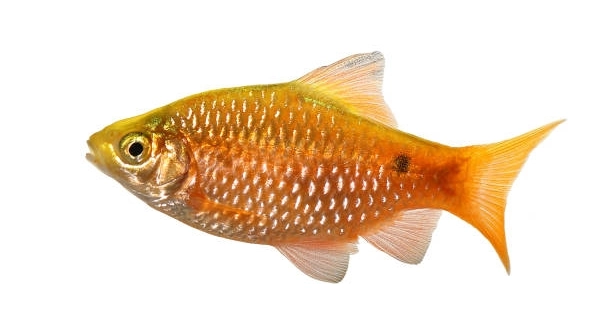
Rosy barbs are colorful and active fish that many enjoy keeping in home aquariums. They have specific needs to stay healthy and happy. Knowing what scares them can help prevent stress and illness.
Rosy barbs are scared by sudden movements, poor water quality, overcrowding, loud noises, aggressive tank mates, inadequate hiding spots, and inconsistent lighting. Preventing these stresses involves maintaining stable conditions and a calm environment for the fish.
Understanding these common fears helps create a better habitat for rosy barbs and promotes their well-being in your aquarium.
Sudden Movements and Loud Noises
Rosy barbs are naturally skittish fish. Sudden movements near the tank or loud noises can startle them easily, causing stress. Stress weakens their immune system, making them more vulnerable to diseases. It’s best to keep the aquarium in a quiet spot away from heavy foot traffic and noisy appliances. When approaching the tank, move slowly and calmly to avoid frightening the fish. Playing loud music or banging on the tank glass can lead to constant stress, which is harmful over time. Even tapping the glass, though common, should be avoided. Creating a peaceful environment helps rosy barbs feel secure and behave naturally. Reducing sudden disturbances encourages them to explore and interact more, which is a sign of their well-being. Maintaining this calm atmosphere is essential for their health and happiness in your care.
Keeping the area around the tank quiet and moving slowly when near the fish prevents unnecessary stress.
A calm environment lowers stress levels in rosy barbs, which helps them stay healthy and display natural behaviors. By minimizing sudden noises and movements, you promote a stable and comfortable habitat for these lively fish. This care ensures they thrive in your aquarium and continue to brighten your space.
Poor Water Quality
Water quality is vital for rosy barbs’ health. Dirty water with high ammonia, nitrite, or nitrate levels causes stress and illness. Regular water testing and changes are necessary to keep these chemicals low. The tank should have a good filtration system to remove waste and keep water clear. Rosy barbs prefer water with a pH between 6.5 and 7.5 and moderate hardness. Avoid overcrowding the tank because too many fish increase waste quickly, making it hard to maintain clean water. Uneaten food should be removed promptly, as it decomposes and pollutes the water. Keeping water temperature steady between 68°F and 78°F is also important, as sudden temperature changes can shock the fish. Consistent water care provides a healthy environment where rosy barbs can flourish without stress or disease.
Testing water regularly and performing partial water changes keeps the tank safe and comfortable for rosy barbs.
Overcrowding
Too many rosy barbs in one tank causes stress and aggressive behavior. Overcrowding reduces oxygen levels and increases waste, making water quality worse.
Maintaining a proper stocking level is key. A good rule is one inch of fish per gallon of water. This gives each fish enough space to swim and reduces territorial fights. Overcrowded tanks can lead to poor health and shorter lifespans. When planning your aquarium, consider how big your tank is and how many fish it can comfortably hold. It also helps to add plants and decorations to create hiding spots and reduce stress.
By avoiding overcrowding, you create a peaceful environment where rosy barbs can thrive. They will be less aggressive and healthier, showing brighter colors and more active behavior. Taking care to space fish properly makes a big difference in their well-being.
Aggressive Tank Mates
Rosy barbs do best with peaceful, similarly sized fish. Aggressive tank mates can cause injury and stress.
Choosing compatible species helps keep the tank calm and safe. Avoid large, aggressive fish that may bully or eat the rosy barbs. Fish like goldfish, danios, or tetras often make good companions. Aggressive fish may chase or nip fins, which harms the rosy barbs’ health and slows their growth. If aggressive behavior appears, separating the fish or rearranging the tank can reduce conflict. A balanced community tank encourages natural, peaceful interaction among all fish.
Properly selecting tank mates and monitoring fish behavior keeps rosy barbs safe and stress-free. This helps maintain a healthy, happy aquarium environment where all species coexist peacefully.
Inadequate Hiding Spots
Rosy barbs need places to hide to feel secure. Without enough hiding spots, they become stressed and shy.
Adding plants, rocks, and decorations creates shelter. These spots help reduce stress and encourage natural behavior.
Inconsistent Lighting
Lighting should be stable and follow a regular day-night cycle. Sudden changes or constant light confuse rosy barbs and cause stress.
Keeping lights on for about 8-10 hours a day mimics natural conditions. Using a timer helps maintain consistency and supports their health.
Temperature Fluctuations
Sudden changes in water temperature scare rosy barbs. They need stable temperatures to stay healthy and active.
FAQ
What signs show that rosy barbs are stressed?
Rosy barbs that are stressed often swim erratically or hide more than usual. They may lose their bright colors and appear dull. Another sign is loss of appetite or gasping at the water surface. Stress can also cause fin clamping or small injuries from tank mates.
When rosy barbs are stressed, they may behave unusually shy or aggressive. Watching their behavior regularly helps catch stress early. If you notice any of these signs, check water quality, tank conditions, and possible sources of disturbance. Addressing stress factors quickly can prevent illness and improve their overall well-being.
How often should I clean the tank for rosy barbs?
Partial water changes of 20-30% every one to two weeks keep the tank clean and healthy. Avoid cleaning the whole tank at once, as it can shock the fish and disrupt beneficial bacteria. Regular filter maintenance is also important for clear water.
Cleaning the tank regularly prevents buildup of harmful chemicals like ammonia and nitrate. It also removes uneaten food and debris that pollute the water. A clean tank helps reduce stress and disease risk, allowing rosy barbs to thrive in a balanced environment.
Can rosy barbs live with other fish species?
Yes, rosy barbs can live peacefully with many other fish if the tank mates are non-aggressive and similar in size. Good companions include danios, tetras, and goldfish. Avoid large or aggressive species that may bully or harm them.
Introducing new fish slowly and observing their interactions helps ensure harmony. Sometimes rearranging decorations or increasing hiding spots can reduce aggression. A peaceful community tank promotes healthy behavior and reduces stress for rosy barbs and their tank mates.
What is the ideal diet for rosy barbs?
Rosy barbs thrive on a varied diet including high-quality flakes, pellets, and occasional live or frozen foods like brine shrimp or bloodworms. A balanced diet supports their color and energy levels.
Feeding small amounts two to three times daily prevents overfeeding and water pollution. Removing uneaten food helps maintain water quality. Providing variety keeps them interested and healthy.
How do I prevent diseases in rosy barbs?
Maintaining good water quality, avoiding overcrowding, and feeding a balanced diet are key to disease prevention. Quarantining new fish before adding them to the tank reduces the risk of introducing illness.
Regular observation helps catch early signs of disease. If illness appears, prompt treatment with appropriate medication can save your fish. Keeping stress low supports their immune system and overall health.
Why do rosy barbs nip fins, and how can I stop it?
Fin nipping often happens when fish feel crowded, bored, or stressed. It can also be a sign of aggression or incompatible tank mates. Providing enough space and hiding spots reduces this behavior.
Ensuring a proper diet and adding plants or decorations helps keep rosy barbs occupied. Separating aggressive fish or adjusting the community tank setup may be necessary if nipping continues. A calm and spacious tank reduces stress and fin damage.
How important is the tank size for rosy barbs?
A tank of at least 20 gallons is recommended for a small group of rosy barbs. This space allows them to swim freely and reduces stress from overcrowding. Larger tanks support better water quality and a healthier environment.
Providing ample room promotes natural behavior and reduces aggression. It also makes it easier to maintain stable water parameters. Proper tank size is essential for their long-term health and happiness.
What temperature range should I maintain for rosy barbs?
Rosy barbs prefer water temperatures between 68°F and 78°F. Keeping the temperature stable within this range helps prevent stress and illness. Sudden drops or spikes can shock the fish and weaken their immune system.
Using a reliable heater and thermometer ensures a consistent temperature. Avoid placing the tank near windows or vents where temperature fluctuations may occur. Stable warmth supports healthy metabolism and activity levels.
Final Thoughts
Taking care of rosy barbs means understanding what can scare them and cause stress. These fish are sensitive to their environment, and things like sudden movements, poor water quality, overcrowding, and aggressive tank mates can make them uncomfortable or sick. By paying close attention to these factors, you can create a safe and calm space where your rosy barbs can live happily. Small changes, like adding hiding spots, keeping the water clean, and choosing the right tank mates, go a long way in reducing their stress.
Consistency is very important when caring for rosy barbs. Keeping a stable water temperature, a regular lighting schedule, and maintaining good water quality are simple but effective ways to keep your fish healthy. Avoiding sudden changes and disturbances helps prevent stress, which can lead to illness. A well-maintained aquarium with proper care routines ensures that your rosy barbs can thrive and show off their bright colors and active personalities.
In the end, keeping rosy barbs means being observant and responsive. Watch for signs of stress or illness, and act quickly to correct any problems. Regular cleaning, proper feeding, and thoughtful tank setup help provide a balanced environment. With patience and care, rosy barbs will not only survive but flourish, making your aquarium a lively and enjoyable part of your home. Taking these steps shows respect for the needs of your fish and brings a rewarding experience as you watch them grow healthy and happy.

Hello,
If you enjoy the content that we create, please consider saying a "Thank You!" by leaving a tip.
Every little bit helps us continue crafting quality advice that supports the health, happiness, and well-being of pets around the world, for pets of all shapes, sizes, and species.
We really appreciate the kindness and support that you show us!