
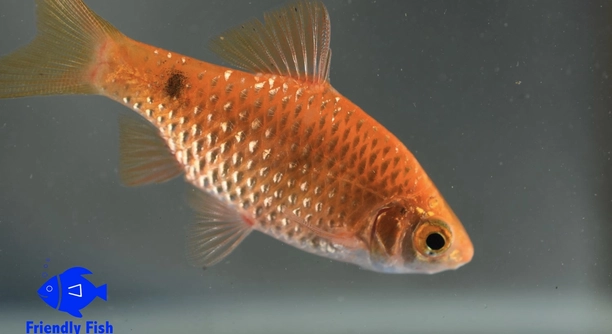
Rosy barbs are popular freshwater fish known for their vibrant colors and active behavior. Many fishkeepers enjoy watching their lively movements, but sometimes these fish rub against objects in the tank. This behavior can be puzzling for those unfamiliar with it.
Rubbing against objects, known as “flashing,” often indicates irritation caused by parasites, poor water quality, or physical discomfort. This action helps the fish relieve itching or remove irritants from its skin and scales, which can signal underlying health or environmental issues.
Understanding why your rosy barb exhibits this behavior can help maintain its well-being. This article explores the possible causes and offers ways to ensure a healthy habitat for your fish.
Common Causes of Rosy Barb Rubbing Behavior
Rosy barbs often rub against objects when something in their environment causes discomfort. One common cause is parasites, such as ich or skin flukes, which irritate the fish’s skin and prompt this behavior. Another frequent reason is poor water quality, including high ammonia, nitrite, or nitrate levels, which can stress the fish and lead to flashing. Sometimes, rough or sharp decorations can cause minor injuries, making the fish rub against surfaces to soothe irritation. Stress from overcrowding or aggressive tank mates can also trigger this behavior. Regular monitoring of water parameters and tank conditions is essential. Keeping the tank clean and providing smooth decorations can reduce rubbing incidents. Observing your fish closely can help identify changes early. Treating any infections promptly will improve their comfort and health. A stable, well-maintained environment prevents many causes of rubbing and supports your rosy barb’s well-being.
Water quality issues and parasites are the main reasons for rubbing behavior in rosy barbs. Proper tank care is key to preventing this.
Addressing the causes starts with testing water regularly to ensure safe conditions. Using a water test kit can reveal harmful levels of toxins. If parasites are suspected, treatments like medication baths may be necessary. Removing rough objects or rearranging the tank can help prevent injuries. Avoid overcrowding to reduce stress and aggression. Feeding a balanced diet supports immune health, making fish more resistant to infections. Keeping a consistent routine benefits their overall stability. When caught early, most causes of rubbing can be managed successfully. Staying observant and responding quickly helps keep your rosy barb comfortable and active.
How to Check for Parasites
Parasites like ich or skin flukes cause irritation, leading rosy barbs to rub against surfaces. Checking for white spots, redness, or abnormal behavior helps identify infestations early. Immediate treatment is important to prevent worsening health.
To check for parasites, carefully observe your fish’s body and fins for visible signs like tiny white spots or patches of redness. Notice if the fish is scratching more frequently or acting lethargic. Using a magnifying glass can help spot small parasites on the skin. Sometimes, the fish may gasp at the surface or isolate itself. Testing water quality is also necessary since poor conditions make infections more likely. Quarantining new fish before adding them to the main tank reduces the risk of parasite introduction.
If parasites are confirmed, isolate the affected fish and start treatment using aquarium-safe medications. Follow dosage instructions carefully and maintain excellent water quality to support healing. Regular tank cleaning and monitoring will help prevent future outbreaks and keep your rosy barbs healthy.
Improving Water Quality
Maintaining clean water is crucial for preventing irritation and stress in rosy barbs. Regular water changes and filtration help keep toxin levels low, reducing rubbing behavior. Testing water parameters frequently ensures a safe environment.
To improve water quality, perform weekly water changes of about 20-30%. Use a reliable water test kit to monitor ammonia, nitrite, nitrate, and pH levels. Remove uneaten food and debris promptly to avoid waste buildup. A quality filter suited for your tank size will help maintain clear, healthy water. Avoid overcrowding to reduce waste and stress on the filtration system. Adjust feeding amounts to prevent excess food accumulation. Conditioning tap water before adding it to the tank removes harmful chemicals. Consistent maintenance creates a stable habitat that prevents irritation and promotes your rosy barb’s comfort and longevity.
Tank Decorations and Their Impact
Rough or sharp decorations can cause your rosy barb to rub against them. Smooth surfaces reduce the chance of injury. Regularly check decorations for any sharp edges or broken pieces that might harm your fish.
Soft plants and rounded decorations provide safe places for rubbing without injury. Rearranging or replacing risky items can reduce irritation and help your fish feel more comfortable in the tank.
Stress Factors in the Tank
Stress from overcrowding, aggressive tank mates, or sudden changes in the environment often causes rubbing behavior. Maintaining a calm and stable environment reduces stress and improves fish health.
Observing Behavior Changes
Watch for signs like loss of appetite, hiding, or unusual swimming patterns. These often accompany rubbing and indicate a problem. Early detection allows prompt action to help your rosy barb recover.
When to Seek Professional Help
If rubbing persists despite treatment and water care, consult a veterinarian or experienced aquarist. Persistent symptoms may need specialized diagnosis and treatment to ensure your fish’s well-being.
FAQ
Why is my rosy barb rubbing against the glass?
Rubbing against the glass often happens when your fish feels irritated or uncomfortable. It might be trying to relieve itching caused by parasites, poor water quality, or even rough tank decorations. Make sure the water is clean and check for any signs of disease or injury.
Can poor water quality cause my rosy barb to rub against objects?
Yes, poor water quality is a major cause of this behavior. High levels of ammonia, nitrites, or nitrates can stress your fish and irritate its skin. Regular water testing and partial water changes help keep the environment safe and reduce rubbing.
How do I know if my rosy barb has parasites?
Look for small white spots, redness, or patches on the fish’s body and fins. The fish may also scratch more often, lose appetite, or swim abnormally. Parasite infestations require prompt treatment to prevent worsening.
What treatments are effective for parasites on rosy barbs?
Common treatments include medicated baths, aquarium-safe anti-parasitic medications, and improving water quality. Always follow the medication instructions carefully. Quarantine infected fish to avoid spreading parasites to others.
Could tank decorations cause my fish to rub against them?
Yes, rough or sharp decorations can irritate your rosy barb’s skin, causing it to rub. Using smooth, rounded objects and soft plants reduces this risk. Regularly inspect decorations and remove anything with sharp edges.
Does overcrowding affect rosy barb behavior?
Overcrowding increases stress and competition, which can lead to rubbing and other abnormal behaviors. Maintain appropriate stocking levels for your tank size to create a calm, healthy environment for your fish.
How often should I test my tank water?
Testing water weekly is recommended to keep track of ammonia, nitrite, nitrate, and pH levels. Frequent testing helps catch problems early, preventing irritation and health issues that cause rubbing behavior.
What water parameters are ideal for rosy barbs?
Rosy barbs thrive in water with a temperature between 64-72°F (18-22°C), pH of 6.5-7.5, and low ammonia and nitrite levels. Stable conditions reduce stress and promote overall health, minimizing rubbing behavior.
Can diet influence rubbing behavior?
Yes, a poor diet can weaken a fish’s immune system, making it more susceptible to infections and irritation. Providing a balanced diet rich in nutrients supports health and reduces the likelihood of rubbing caused by skin issues.
When should I seek professional help for my rosy barb?
If rubbing continues despite improving water quality and treating parasites, or if your fish shows severe symptoms like lethargy, loss of appetite, or weight loss, consult a vet or experienced aquarist for specialized care.
Is rubbing behavior always a sign of illness?
Not always. Sometimes, fish rub simply because they are cleaning themselves or adjusting to new tank environments. However, persistent rubbing usually signals discomfort or a problem that needs attention.
How can I prevent my rosy barb from rubbing against objects?
Maintain excellent water quality, avoid overcrowding, provide smooth decorations, and monitor for parasites regularly. Consistent care and observation help prevent irritation and keep your fish comfortable.
Can stress cause a rosy barb to rub against objects?
Yes, stress from factors like aggressive tank mates, sudden changes in water parameters, or poor habitat conditions can cause rubbing. Reducing stressors improves behavior and overall fish health.
How long does it take for a rosy barb to recover from rubbing caused by irritation?
Recovery time depends on the cause and treatment effectiveness. With prompt action, improvement can be seen within days to weeks. Persistent problems may require longer care and attention.
Are there any natural remedies to reduce rubbing in rosy barbs?
Maintaining a clean tank and adding live plants can create a more natural environment, which helps reduce stress. Some aquarists use salt baths carefully to help treat minor skin irritations, but always research and use caution.
Final thoughts are important when caring for rosy barbs that rub against objects. This behavior often signals that something in the tank needs attention. Whether it is parasites, poor water quality, stress, or rough decorations, understanding the cause is the first step toward helping your fish. Keeping the tank clean and monitoring water parameters regularly will prevent many problems. Making sure the environment is stable and comfortable will reduce irritation and stress for your rosy barbs.
It is essential to observe your fish closely to catch early signs of trouble. Changes in behavior, appearance, or appetite can all indicate an underlying issue. When you notice rubbing, check water quality and tank conditions first. Parasites or infections might also be the cause, so looking for visible signs and treating the fish promptly is necessary. Improving diet and providing a safe, spacious tank helps maintain your rosy barb’s health and reduces unwanted behaviors. Taking quick action supports their recovery and long-term well-being.
Patience and consistency in care go a long way in keeping rosy barbs healthy and active. Regular maintenance, gentle observation, and timely treatments ensure your fish thrive in their aquatic home. Avoiding overcrowding and providing smooth, safe decorations will make your tank a better place for them. Understanding these factors helps prevent rubbing behavior and promotes a peaceful tank environment. In the end, simple but steady care is the key to happy, healthy rosy barbs.

Hello,
If you enjoy the content that we create, please consider saying a "Thank You!" by leaving a tip.
Every little bit helps us continue crafting quality advice that supports the health, happiness, and well-being of pets around the world, for pets of all shapes, sizes, and species.
We really appreciate the kindness and support that you show us!