
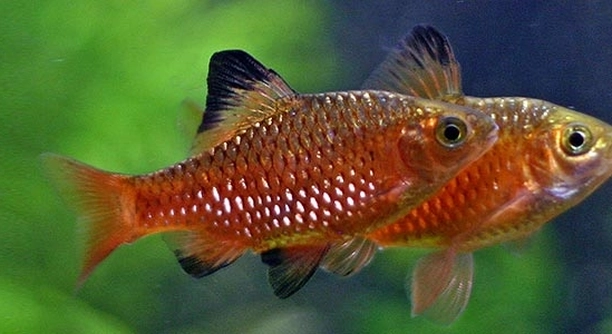
Feeding rosy barbs can be rewarding, but it’s easy to make mistakes that affect their health. Many hobbyists unintentionally harm their fish by not understanding their specific dietary needs. Learning common errors helps improve care and fish wellbeing.
Common mistakes when feeding rosy barbs include overfeeding, providing improper food types, and ignoring their natural dietary habits. These errors can lead to poor health, water quality issues, and stunted growth, highlighting the need for proper feeding practices based on research and observation.
Knowing these mistakes can prevent many problems and support healthier, happier rosy barbs in your aquarium over time.
Overfeeding Rosy Barbs
Overfeeding is a common problem that many people face when caring for rosy barbs. It’s tempting to give them plenty of food, especially when they eagerly swim to the surface during feeding time. However, too much food can quickly lead to poor water quality because uneaten food decomposes and pollutes the tank. This can cause harmful ammonia and nitrite spikes, which stress the fish and weaken their immune system. Overfeeding also encourages obesity and digestive issues in rosy barbs. They need small, measured amounts of food that they can eat within a few minutes. Feeding once or twice a day is usually enough, and it’s important to observe how much they consume. By feeding the right amount, you help maintain clean water and keep your rosy barbs healthy and active.
Feeding smaller portions regularly helps maintain better water conditions and reduces health risks linked to overfeeding.
Rosy barbs have small stomachs and cannot process large meals at once. Feeding them too much food causes leftovers to settle, decaying and harming tank quality. It’s better to feed tiny amounts that they finish quickly. This prevents water pollution and keeps the fish lively and healthy.
Feeding the Wrong Food Types
Rosy barbs require a balanced diet with proteins, vitamins, and fiber. Feeding only flakes or just one kind of food can cause nutritional gaps. They thrive with a mix of high-quality flakes, pellets, and live or frozen foods like brine shrimp or daphnia. These provide essential nutrients and keep their diet varied. Without variety, their immune system weakens and colors can fade. Some foods, like bread or human snacks, should never be given because they upset digestion. Always choose fish food designed for small tropical species and supplement occasionally with live treats to keep them active and healthy.
A varied diet is essential to meet all their nutritional needs and maintain vibrant colors.
Feeding only one type of food, such as flakes, can lead to vitamin deficiencies in rosy barbs. Their natural diet includes small insects and plant matter, so a mix of protein-rich and vegetable-based foods works best. Live or frozen foods encourage natural hunting behavior and improve health. Avoid over-reliance on processed foods and human leftovers, which lack proper nutrients and may harm digestion. Providing a balanced diet supports growth, coloration, and overall vitality. Rotate different food types and include occasional treats to mimic natural feeding habits and prevent boredom.
Ignoring Feeding Schedule
Rosy barbs do best with a consistent feeding schedule. Feeding at irregular times can stress them and disrupt their digestion. It is important to stick to a routine, usually once or twice a day, to maintain their health and prevent overfeeding.
When feeding rosy barbs, consistency is key. Their digestive systems are small and work best with regular meals. Feeding too frequently or skipping feedings can cause digestive issues or stress. A set schedule helps regulate their appetite and keeps the tank cleaner by reducing leftover food. Most hobbyists find that feeding once in the morning and once in the evening works well, but some may prefer a single feeding depending on the fish’s activity and tank conditions.
Regular feeding times also help the fish develop predictable behavior, which makes it easier to monitor their health. Consistent routines reduce stress, encourage good digestion, and improve overall fish wellbeing.
Poor Water Quality After Feeding
Food leftover from feeding can quickly degrade water quality if not managed well. Excess waste breaks down into ammonia and nitrates, which harm rosy barbs over time. Maintaining clean water after feeding is critical for their health.
Frequent water testing and partial water changes help manage waste buildup. Removing uneaten food promptly reduces contamination. Using a good filtration system also supports water clarity and removes harmful substances. Proper feeding amounts combined with regular tank maintenance prevent toxic conditions. Monitoring water parameters like ammonia, nitrite, and nitrate ensures the environment stays safe. Poor water quality often leads to illness, stress, and shortened lifespan in rosy barbs, making cleanup after feeding a top priority.
Regularly cleaning the tank and adjusting feeding practices keep water safe and support long-lasting fish health.
Feeding Without Considering Fish Size
Feeding rosy barbs food that is too large can cause choking or digestive problems. Make sure the food pieces are small enough for them to eat easily. Small flakes or appropriately sized pellets work best for their tiny mouths.
Also, avoid feeding large live foods that might be hard to swallow. Smaller portions prevent stress and support healthy digestion.
Not Observing Fish Behavior During Feeding
Watching how rosy barbs eat provides valuable insight into their health. Sudden changes in appetite or feeding patterns may indicate illness or stress. Regular observation helps catch problems early, allowing timely intervention and better care.
Feeding in a Crowded Tank
Overcrowded tanks increase competition for food. Some rosy barbs may not get enough to eat, while others overeat. This imbalance can cause stress and health issues for all fish.
Skipping Fasting Days
Rosy barbs benefit from occasional fasting. Skipping meals every few days helps their digestive system rest and prevents buildup of waste in the tank.
How often should I feed my rosy barbs?
Feeding rosy barbs once or twice a day is usually enough. They have small stomachs, so small, regular meals prevent overeating and digestive problems. Feeding them in the morning and evening fits their natural rhythm and keeps their metabolism steady. Avoid leaving food in the tank for too long to maintain good water quality.
What types of food are best for rosy barbs?
A varied diet works best. High-quality flakes or pellets designed for tropical fish provide essential nutrients. Supplement these with live or frozen foods like brine shrimp, daphnia, or bloodworms. These add protein and keep the fish active and healthy. Avoid human food or bread, as it can upset digestion and cause health issues.
Can I feed my rosy barbs too much?
Yes, overfeeding is one of the most common mistakes. Uneaten food pollutes the water and causes health problems like obesity and swim bladder issues. Feed only what they can eat within two to three minutes. Smaller, controlled portions help keep both the fish and tank clean.
Why is water quality important after feeding?
Food leftovers break down quickly and produce harmful chemicals like ammonia and nitrites. These toxins stress rosy barbs and weaken their immune systems. Regular water testing, partial water changes, and good filtration help keep water safe. Promptly removing uneaten food reduces pollution and supports fish health.
Should I feed live food every day?
Live food is excellent but should not be the only diet. Feeding live food a few times a week adds variety and nutrients but relying on it daily may cause imbalance. Combine live food with flakes or pellets to ensure complete nutrition. Always choose live food from reliable sources to avoid introducing diseases.
Is it necessary to fast rosy barbs sometimes?
Yes, occasional fasting helps keep their digestive system healthy. Skipping food one day every week or so gives their gut time to clear and prevents excess waste buildup in the tank. It also reduces the risk of overfeeding and keeps the fish active and alert.
How can I tell if my rosy barbs are hungry?
Rosy barbs usually swim eagerly near the surface or around feeding spots when hungry. They may flash bright colors and actively search for food. However, consistent eagerness doesn’t always mean they need more food. Stick to your feeding schedule to avoid overfeeding despite their behavior.
What should I do if some fish don’t eat?
If certain rosy barbs avoid food, it could be a sign of illness or stress. Check water quality, tank mates, and diet variety. Sick fish often lose appetite, so observe for other symptoms like lethargy or spots. Isolate or treat affected fish if needed and improve overall tank conditions.
Can overcrowding affect feeding?
Yes, overcrowded tanks increase competition for food. Some fish may dominate feeding, leaving others hungry. This imbalance stresses shy or weaker fish and causes uneven growth. Keep stocking levels appropriate and distribute food evenly around the tank to give all rosy barbs a chance to eat.
What is the best way to introduce new food to rosy barbs?
Introduce new foods slowly by mixing them with familiar ones. Sudden changes can upset digestion. Offer small amounts at first and watch how the fish react. Gradually increase the new food if they accept it well. This helps prevent digestive problems and keeps the diet interesting.
Feeding rosy barbs the right way is important for keeping them healthy and happy. It’s easy to make mistakes like overfeeding or giving the wrong kinds of food, but these errors can cause problems with their health and the tank environment. By understanding their needs and following simple feeding guidelines, you can avoid common issues. Feeding small portions once or twice a day, offering a variety of quality foods, and keeping a regular schedule all help ensure your fish get the nutrients they need without polluting the water.
Water quality plays a big role in how well rosy barbs thrive. Leftover food and fish waste can quickly build up harmful chemicals that stress the fish and make them sick. Regular tank cleaning, using a good filter, and removing uneaten food help keep the water clean and safe. It’s also helpful to watch your fish during feeding times to make sure everyone is eating well and that no food is left to decay. Taking these steps supports a healthy environment that benefits all the fish in the tank.
Sometimes small adjustments can make a big difference. Feeding live or frozen foods a few times a week adds nutrients and variety that flakes or pellets alone can’t provide. Also, giving your fish a day without food now and then helps their digestion and prevents waste buildup. Being patient and observant allows you to spot problems early, such as fish not eating or water quality dropping. With proper care and attention, rosy barbs will stay lively, colorful, and healthy for a long time in your aquarium.

Hello,
If you enjoy the content that we create, please consider saying a "Thank You!" by leaving a tip.
Every little bit helps us continue crafting quality advice that supports the health, happiness, and well-being of pets around the world, for pets of all shapes, sizes, and species.
We really appreciate the kindness and support that you show us!