
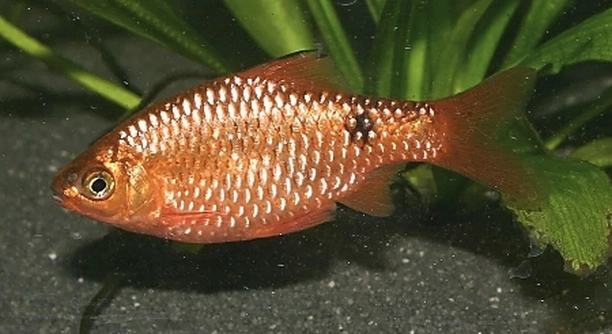
Rosy Barbs and Bettas are popular choices for home aquariums. Many fish keepers wonder if these two species can live together peacefully. Understanding their behaviors and needs is important for a successful tank setup.
Rosy Barbs and Bettas can sometimes coexist, but caution is necessary. Bettas are territorial and may show aggression, while Rosy Barbs are active swimmers who can stress the Betta. Proper tank size, hiding spots, and careful monitoring are essential for compatibility.
Learning about their interactions helps create a healthy environment. This guide will share tested tips for keeping Rosy Barbs and Bettas together safely.
Temperament of Rosy Barbs and Bettas
Rosy Barbs are active, social fish that enjoy swimming in groups. They are peaceful but can sometimes nip at slower or long-finned tank mates. Bettas, on the other hand, are known for their territorial behavior, especially males. They prefer calm environments and may become aggressive if they feel threatened or crowded. When kept together, the energetic Rosy Barbs might irritate the Betta by swimming too close or chasing. Providing plenty of space helps reduce stress for both species. Adding plants and decorations creates hiding spots where the Betta can retreat when it needs to. It’s important to observe their behavior closely, especially in the first few days, to catch any signs of aggression or stress early. Knowing how these fish interact helps prevent problems and promotes a peaceful tank environment.
Proper tank conditions and space reduce conflicts between Rosy Barbs and Bettas, improving their chances of peaceful cohabitation.
Understanding their behaviors helps adjust the tank setup for harmony. With patience, many have successfully kept these fish together without issues.
Tank Setup and Environment
A spacious tank is key for housing Rosy Barbs and Bettas together. Both species need at least 20 gallons to swim freely and avoid stress. Bettas appreciate areas with calm water and plenty of hiding places, while Rosy Barbs enjoy open swimming areas. Plants, rocks, and driftwood can provide shelter and break lines of sight, reducing aggression. Water parameters should suit both fish: a temperature between 74°F and 78°F and a pH around 6.5 to 7.5 works well. Regular maintenance keeps the water clean, which helps fish stay healthy and less aggressive. Avoid overcrowding by limiting the number of fish, as too many can increase tension and lead to fights. Proper filtration and gentle water flow make the tank more comfortable for both species.
Providing a balanced environment is essential to keep Rosy Barbs and Bettas comfortable and stress-free.
With thoughtful arrangement and good water quality, a shared tank becomes a safe home for these fish. Careful planning helps minimize conflicts and creates a better living space for all inhabitants.
Feeding Habits and Diet Compatibility
Rosy Barbs and Bettas have different feeding preferences but can share similar diets. Both enjoy high-quality flakes, pellets, and occasional live or frozen foods.
Rosy Barbs are omnivores and eat a variety of foods including flakes, pellets, and small live foods like brine shrimp. Bettas are carnivores that prefer protein-rich diets, such as bloodworms and daphnia. Offering a balanced diet that meets both species’ needs is important. Feeding small amounts multiple times a day helps avoid overfeeding and maintains water quality.
Feeding time can also be a source of stress if one species becomes aggressive or competitive. It’s helpful to spread food across the tank so both Rosy Barbs and Bettas can eat comfortably without chasing each other. Observation during feeding ensures all fish get enough nutrition.
Signs of Aggression and Stress
Aggression between Rosy Barbs and Bettas usually shows as chasing, fin nipping, or flaring. Early signs include hiding and loss of appetite.
Bettas may flare their fins or chase Rosy Barbs if they feel threatened. Rosy Barbs might nip at the Betta’s fins, causing damage. Stress can weaken their immune systems, making fish more prone to disease. Watch for torn fins, pale colors, or constant hiding as signs that the tank setup needs adjustment.
If aggression is severe, separating the fish is best for their health. Adding more hiding spaces and increasing tank size can reduce conflicts. Keeping compatible species together takes attention and quick action when problems arise.
Ideal Tank Mates for Rosy Barbs and Bettas
Choosing peaceful tank mates can help maintain harmony. Avoid overly aggressive or very timid fish that could upset the balance.
Good companions include species like Corydoras catfish or small tetras. These fish add diversity without increasing stress or aggression in the tank.
Water Parameters for Both Species
Both Rosy Barbs and Bettas thrive in similar water conditions. Maintain temperature between 74°F and 78°F with a neutral pH around 6.5 to 7.5. Regular water changes and stable parameters help prevent stress and illness. Avoid sudden changes in temperature or pH to keep fish healthy and comfortable in their shared environment.
Common Health Issues to Watch For
Stress from aggression or poor water quality can lead to fin rot, ich, and other infections. Regular monitoring helps catch problems early.
FAQ
Can Rosy Barbs and Bettas live together peacefully?
Yes, they can live together peacefully if the tank is large enough and properly arranged. Bettas need hiding spots and calm areas, while Rosy Barbs require space to swim. Close monitoring is important during the first weeks to ensure neither fish becomes aggressive or stressed.
How many Rosy Barbs should I keep with a Betta?
It’s best to keep Rosy Barbs in groups of at least five to reduce their nipping behavior. However, the tank must be big enough—ideally 20 gallons or more—to provide enough space for both the group of Rosy Barbs and the Betta to coexist without conflict.
What size tank do I need for Rosy Barbs and a Betta?
A minimum of 20 gallons is recommended to house both species comfortably. Rosy Barbs are active swimmers and need open space, while Bettas require calm zones with hiding spots. Larger tanks reduce stress and aggression by giving each fish its own area.
What do Rosy Barbs and Bettas eat?
Both species eat flakes and pellets formulated for tropical fish. Rosy Barbs are omnivores and also enjoy live or frozen foods like brine shrimp. Bettas are carnivores and prefer protein-rich diets such as bloodworms or daphnia. Feeding a balanced diet tailored to their needs keeps both healthy.
Can Rosy Barbs nip at Betta fins?
Yes, Rosy Barbs can nip at the Betta’s long fins, especially if the Betta is slow-moving or stressed. This behavior can cause injury and stress. Keeping Rosy Barbs in larger groups and providing plenty of hiding places for the Betta helps reduce fin nipping.
How do I know if my Betta is stressed?
Signs of stress in Bettas include faded color, clamped fins, loss of appetite, and hiding frequently. Aggression from tank mates or poor water conditions can cause stress. Watching behavior closely and maintaining good tank conditions help keep Bettas healthy.
What water conditions are best for both fish?
Both Rosy Barbs and Bettas prefer water temperatures between 74°F and 78°F with a neutral pH around 6.5 to 7.5. Stable conditions with regular water changes are important to prevent stress and disease. Avoid sudden shifts in temperature or pH.
Can I keep other fish with Rosy Barbs and Bettas?
Yes, peaceful species like Corydoras catfish or small tetras usually make good companions. Avoid aggressive or very timid fish that could upset the tank balance. Introduce new fish carefully and monitor interactions to prevent aggression.
What should I do if my Betta shows aggression?
If your Betta is aggressive toward Rosy Barbs, increase hiding spots or add plants to break the line of sight. If aggression continues, you might need to separate them. Sometimes splitting the tank or providing a divider helps reduce stress and injury.
How often should I feed Rosy Barbs and Bettas?
Feed small amounts twice a day to avoid overfeeding and maintain water quality. Both fish appreciate varied diets that include flakes or pellets and occasional live or frozen foods. Removing uneaten food helps keep the tank clean.
Can Rosy Barbs and Bettas breed in the same tank?
No, Rosy Barbs and Bettas do not interbreed. They are different species with different breeding behaviors. Bettas breed alone and need separate breeding tanks, while Rosy Barbs lay eggs in groups and can be more communal.
What are common health problems for these fish?
Fin rot, ich, and fungal infections are common if water quality is poor or fish are stressed. Stress from aggression increases the risk of illness. Regular water changes, proper diet, and observation help prevent health issues.
How do I introduce Rosy Barbs to a tank with a Betta?
Introduce Rosy Barbs slowly and watch how the Betta reacts. Adding plants and decorations before introducing new fish can reduce stress. Avoid overcrowding and have a backup plan to separate fish if aggression occurs.
Is it better to keep female Bettas with Rosy Barbs?
Female Bettas are generally less aggressive than males and may be easier to keep with Rosy Barbs. However, individual temperament varies, so close observation is still needed. Female Bettas usually tolerate tank mates better but need the same care for space and hiding spots.
Rosy Barbs and Bettas can live together in the same aquarium, but it requires careful attention and proper setup. Both fish have different temperaments and needs, so making sure the tank is large enough and well-decorated is important. Rosy Barbs are active swimmers that enjoy being in groups, while Bettas tend to be more territorial and like having their own space. By providing plenty of hiding places and enough room for both, you can reduce stress and help them coexist peacefully. Observing their behavior regularly is key to spotting any signs of aggression early and making changes before problems get worse.
Tank size plays a big role in the success of this combination. A tank that is at least 20 gallons gives Rosy Barbs enough space to swim freely while offering the Betta quiet spots to retreat to when it feels threatened. Decorations such as plants, rocks, and driftwood are helpful because they create natural boundaries. These boundaries can keep the fish from constantly seeing each other and reduce chances of chasing or fin nipping. It is also important to maintain stable water conditions that suit both species. Consistent temperature, clean water, and proper filtration keep fish healthy and calm.
Feeding habits are another factor to consider. Both Rosy Barbs and Bettas need good-quality food suited to their diets. Rosy Barbs are omnivores and enjoy a varied diet, while Bettas prefer more protein-rich foods. Feeding small amounts multiple times a day helps avoid leftover food that can pollute the tank. Watching them eat can also show if any fish is being bullied or not getting enough food. If aggression or stress happens despite precautions, separating the fish might be necessary. Overall, with the right care, patience, and setup, many aquarium keepers have found success keeping Rosy Barbs and Bettas together.

Hello,
If you enjoy the content that we create, please consider saying a "Thank You!" by leaving a tip.
Every little bit helps us continue crafting quality advice that supports the health, happiness, and well-being of pets around the world, for pets of all shapes, sizes, and species.
We really appreciate the kindness and support that you show us!