
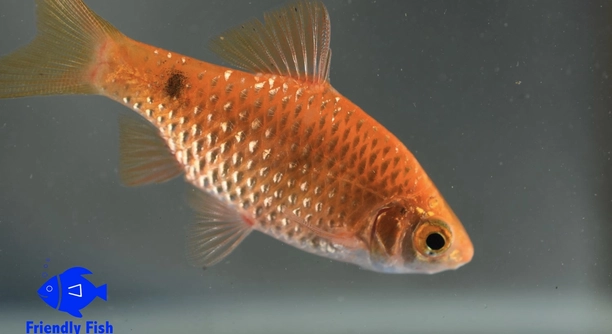
Rosy barbs are popular aquarium fish known for their bright colors and active behavior. They sometimes flash against objects in their tank, a behavior that catches the attention of many fish keepers. This article explores why this happens in simple terms.
Flashing is a natural behavior in rosy barbs often linked to irritation, stress, or attempts to remove parasites. It may also indicate environmental discomfort or aggression. Understanding these causes helps maintain healthier fish and a balanced aquarium environment.
Knowing why rosy barbs flash can improve how you care for them. The following reasons explain this behavior and how to address it effectively.
Parasites and External Irritants
Parasites are a common cause of flashing in rosy barbs. These tiny pests attach themselves to the fish’s body, causing discomfort and irritation. When a rosy barb flashes against objects, it is often trying to dislodge these parasites. External irritants like rough tank decorations or sharp gravel can also cause this behavior. If the tank is not properly maintained, buildup of harmful substances on surfaces can make the fish uncomfortable. Watching for signs of parasites and keeping the tank clean helps reduce flashing caused by irritation. Proper treatment with anti-parasitic medications may be necessary to protect your fish and restore comfort.
Flashing due to parasites usually comes with other symptoms like rubbing fins, clamped fins, or visible spots. Early detection is key to preventing serious health issues in your fish.
Maintaining a clean environment reduces irritants and helps prevent parasite infestations. Regular water changes, gentle cleaning of tank decorations, and monitoring water quality keep your rosy barbs comfortable. If flashing persists despite good tank care, consider consulting a vet or aquatic specialist for diagnosis and treatment options.
Stress and Environmental Factors
Stress can cause rosy barbs to flash frequently. Changes in water temperature, poor water quality, or overcrowding create a stressful environment. When stressed, fish may exhibit unusual behaviors, including flashing. Stress weakens their immune system, making them more prone to illness. Poor lighting or sudden loud noises may also trigger flashing. Identifying and addressing the stress factors helps reduce flashing and promotes overall health. Creating a stable environment with proper water conditions and enough space minimizes stress. Adding plants or hiding spots gives fish a sense of security, helping to calm them.
Flashing related to stress often comes with lethargy or loss of appetite. Managing the tank conditions carefully supports the well-being of rosy barbs.
Stress impacts fish behavior and health significantly. Frequent water testing for ammonia, nitrites, and nitrates helps maintain safe water conditions. Avoid sudden changes in temperature or pH by monitoring regularly and making gradual adjustments. Keeping the tank clean and avoiding overcrowding allows fish to thrive. Proper filtration and regular maintenance are essential to reduce stress. Introducing peaceful tank mates and providing natural cover improves the fish’s comfort and confidence. Watching your rosy barbs’ behavior and environment closely helps catch stress-related problems early, improving their quality of life.
Aggression and Territorial Behavior
Rosy barbs may flash as a sign of aggression or to mark their territory. They sometimes rub against objects during disputes with tank mates.
Aggressive behavior often arises in crowded tanks or when there is insufficient hiding space. Rosy barbs establish territories to reduce conflict, but limited room increases stress and fighting. Flashing against objects can be a way to display dominance or relieve tension during these encounters. Providing enough space and decor helps reduce aggressive interactions. Observing fish carefully will reveal if aggression is causing the flashing behavior.
To prevent aggression, avoid overcrowding your tank and create several hiding places using plants or decorations. This allows fish to retreat and lowers territorial disputes. Choosing compatible tank mates also minimizes conflicts and flashing caused by aggression. Regularly checking behavior helps maintain a peaceful aquarium.
Water Quality Issues
Poor water quality is a common cause of flashing in rosy barbs. High ammonia, nitrite, or nitrate levels irritate their skin and gills.
Unstable water parameters can stress fish and lead to frequent flashing. Even minor imbalances affect their comfort and health. Maintaining proper filtration and performing regular water changes keeps conditions stable. Testing water weekly ensures harmful chemicals stay within safe limits. When water quality declines, fish try to remove irritants by flashing against objects.
Cleaning the tank regularly and avoiding overfeeding reduces waste buildup. Introducing live plants helps absorb excess nutrients and improves oxygen levels. These steps protect your fish from water quality problems and reduce flashing caused by environmental stress.
Sharp or Rough Decorations
Sharp or rough tank decorations can cause rosy barbs to flash against them. These objects may scratch or irritate their delicate skin.
Choosing smooth, fish-safe decorations reduces the chance of injury. Regularly inspect tank items to remove or replace anything that could harm your fish.
Nutritional Deficiencies
Poor nutrition weakens rosy barbs and can contribute to flashing behavior. A balanced diet supports their immune system and overall health. Feeding a variety of high-quality flakes, pellets, and occasional live or frozen foods ensures they get essential vitamins and minerals. Malnourished fish are more vulnerable to irritation and disease, which may increase flashing.
Parasite Treatment Effects
Sometimes flashing increases after treating fish for parasites. Medications can irritate skin temporarily as they work to remove pests. This reaction is usually short-lived and fades once treatment ends.
FAQ
Why do rosy barbs flash against objects suddenly?
Flashing usually happens when rosy barbs feel irritated or stressed. It can be caused by parasites, poor water quality, or even rough decorations in the tank. Sometimes flashing increases after a parasite treatment because the medication can irritate their skin briefly.
Is flashing always a sign of illness in rosy barbs?
Not always. While flashing can indicate health issues like parasites or infections, it can also be normal behavior due to stress, aggression, or trying to clean themselves. Watching for other symptoms like lethargy, loss of appetite, or visible spots can help determine if illness is involved.
How can I tell if my rosy barb has parasites?
Parasites often cause the fish to rub or flash frequently against objects. You might notice white spots, redness, or tiny moving dots on the skin or fins. The fish may also act restless or have clamped fins. If you see these signs, it’s important to test water and treat the tank quickly.
What water parameters are best to reduce flashing caused by stress?
Rosy barbs thrive in stable water with a temperature around 72-78°F (22-26°C), pH between 6.5 and 7.5, and low ammonia, nitrite, and nitrate levels. Regular water tests and changes keep the environment safe. Sudden changes in temperature or pH can stress fish and increase flashing.
Can tank mates cause flashing in rosy barbs?
Yes, aggressive or incompatible tank mates can stress rosy barbs, leading to flashing. Overcrowding also raises stress levels and aggression. Providing enough space, hiding spots, and choosing peaceful fish species helps reduce flashing caused by social stress.
How often should I clean the tank to prevent flashing?
Cleaning frequency depends on tank size and stocking levels, but a weekly partial water change (20-30%) is recommended. Removing debris and checking filters regularly prevents waste buildup that can irritate fish. Keeping decorations clean and safe is also important.
What should I do if flashing increases after medication?
It’s common for flashing to rise slightly after parasite treatments due to skin irritation. Keep monitoring your fish and follow medication instructions carefully. If flashing continues long after treatment or worsens, consult an aquatic veterinarian for advice.
Are there natural ways to reduce flashing?
Yes, maintaining good water quality, providing a balanced diet, and ensuring a calm environment with proper tank mates and hiding spaces help reduce flashing naturally. Live plants can improve water quality and provide shelter, which calms the fish.
Does flashing cause any harm to rosy barbs?
Flashing itself is not harmful but indicates discomfort or stress. If left untreated, the causes of flashing—such as parasites or poor water—can lead to health problems. Prompt care helps prevent further harm and keeps your fish happy.
Can flashing be prevented completely?
Flashing cannot be eliminated entirely since some causes are natural behaviors or mild irritations. However, most flashing linked to stress or health issues can be greatly reduced by good tank management, proper diet, and observing fish regularly for signs of problems.
Rosy barbs flashing against objects is a behavior that often signals something important about their health or environment. It can mean irritation from parasites, stress due to water conditions, or even social interactions like aggression. Understanding why your fish flash helps you provide better care and maintain a healthy aquarium. Paying close attention to their behavior and surroundings is key to spotting potential problems early.
Maintaining clean water and stable tank conditions is essential to reduce flashing caused by environmental factors. Regular water changes, proper filtration, and testing water parameters prevent the buildup of harmful substances that irritate fish. Providing enough space, hiding spots, and compatible tank mates lowers stress and aggressive behavior. Feeding a balanced diet keeps their immune systems strong, making them less likely to suffer from parasites or illness that cause flashing.
While flashing can sometimes be normal behavior, persistent or severe flashing should never be ignored. It often points to discomfort or health issues that need attention. Acting quickly by improving water quality, adjusting the environment, or treating parasites can make a significant difference. Watching your rosy barbs carefully and learning to understand their signals helps create a peaceful and thriving aquarium for your fish.

Hello,
If you enjoy the content that we create, please consider saying a "Thank You!" by leaving a tip.
Every little bit helps us continue crafting quality advice that supports the health, happiness, and well-being of pets around the world, for pets of all shapes, sizes, and species.
We really appreciate the kindness and support that you show us!