
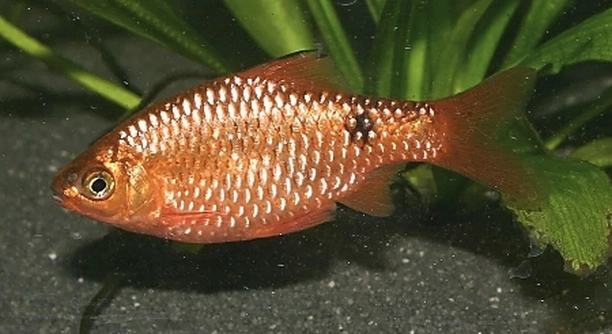
Rosy barbs are popular freshwater fish known for their vibrant colors and active nature. Many fishkeepers enjoy adding them to community tanks for their lively presence. Proper tank size plays a key role in keeping them healthy and happy.
The ideal tank size for rosy barbs is at least 30 gallons. This provides sufficient swimming space and helps maintain water quality, which is essential for their well-being. Larger tanks allow them to thrive socially and physically.
Choosing the right tank size ensures your rosy barbs stay active and healthy, making your aquarium a balanced and enjoyable environment.
Why Tank Size Matters for Rosy Barbs
Choosing the right tank size is important for the health and behavior of rosy barbs. These fish are active swimmers and need plenty of space to move freely. A small tank can lead to stress, which weakens their immune system and makes them prone to disease. Additionally, a larger tank helps maintain better water quality because it dilutes waste and reduces harmful toxins. Rosy barbs also prefer to swim in groups, so having enough space for several fish is necessary to encourage natural social behavior. Without enough room, they may become aggressive or shy, which affects their overall well-being. Proper tank size ensures they have room to explore and interact, making your aquarium more lively and balanced. In summary, a spacious tank supports both their physical and mental health.
Rosy barbs thrive best in tanks that allow group swimming and stable water conditions.
Providing an adequately sized tank gives you the chance to create a healthier environment. With more space, you can also include plants and decorations that mimic their natural habitat. This setup helps reduce stress and gives the fish hiding spots. A well-planned tank can improve oxygen levels and reduce algae growth, contributing to a cleaner space for the barbs. Remember that tank size affects not only the fish but also how often you need to clean and maintain the aquarium. Bigger tanks tend to be easier to keep stable, requiring less frequent water changes and adjustments. By choosing the right tank size from the start, you are setting your rosy barbs up for long-term success.
Minimum Tank Size Recommendations
A tank of at least 30 gallons is recommended for a small group of rosy barbs.
For keeping a healthy school of 5 to 6 rosy barbs, a 30-gallon tank is the minimum size to provide sufficient swimming space and stable water conditions. This size supports their active lifestyle and social nature. If you plan to keep more than six fish or add other species, a larger tank is necessary. Larger tanks help dilute waste and provide better oxygenation, which is essential for maintaining water quality. It is also easier to regulate temperature and chemical levels in a bigger tank. Smaller tanks make it harder to balance these factors, risking the fish’s health. A bigger tank allows for more decorations and plants, which improve the environment and reduce stress for the fish. Overall, investing in a tank larger than the minimum can save time and effort in maintenance while ensuring your rosy barbs live a longer, healthier life.
Tank Setup Tips for Rosy Barbs
Proper tank setup is essential for keeping rosy barbs healthy and comfortable. Use a filter to maintain clean water and add a heater to keep the temperature steady between 74°F and 78°F.
Adding live plants can improve water quality and offer hiding spots for the fish. Choose hardy plants like Java fern or Anubias that tolerate the active nature of rosy barbs. Gravel or sand substrate works well, but avoid sharp materials that could hurt the fish. Keep some open swimming space because these fish love to swim actively. Decorations such as smooth rocks or driftwood can also add interest while providing shelter. Make sure the tank has good lighting, but avoid direct sunlight to prevent algae growth.
Regular maintenance is key: perform weekly water changes of about 25% to keep ammonia and nitrate levels low. Check water parameters frequently and adjust as needed. Proper care of the tank environment reduces stress and supports healthy behavior in rosy barbs.
Common Tank Mates for Rosy Barbs
Choosing tank mates requires considering the rosy barbs’ active and semi-aggressive nature. Avoid slow or very small fish that may get bullied.
Suitable tank mates include larger peaceful species like danios, swordtails, and certain types of tetras. These fish have similar activity levels and won’t intimidate or be harmed by rosy barbs. Avoid fin-nippers or overly aggressive species that could cause fights. Also, bottom-dwelling fish like Corydoras catfish can coexist well, as they occupy different tank levels. Introducing compatible fish helps create a balanced community aquarium, reduces stress, and encourages natural behaviors. Monitor the tank after adding new fish to ensure everyone adapts well.
Feeding Rosy Barbs
Rosy barbs eat a varied diet of flakes, pellets, and live or frozen foods like brine shrimp and bloodworms. Providing a balanced diet helps maintain their vibrant colors and energy.
Feed small amounts two to three times a day, avoiding overfeeding to keep water quality high and prevent health issues.
Ideal Water Conditions
Rosy barbs prefer water with a pH between 6.5 and 7.5 and a temperature range of 74°F to 78°F. Consistent water parameters reduce stress and promote good health. Regular testing helps maintain stable conditions, preventing sudden changes that can harm the fish.
Common Health Issues
Stress from poor water quality or overcrowding often causes illness in rosy barbs. Watch for signs like faded color, clamped fins, or lethargy to catch problems early.
Importance of Regular Maintenance
Routine cleaning and water changes are essential to keep the tank healthy. Regular care prevents buildup of toxins and ensures a stable environment for rosy barbs to thrive.
FAQ
What is the smallest tank size suitable for rosy barbs?
The smallest recommended tank size for keeping rosy barbs comfortably is 30 gallons. This size allows enough space for a small group to swim freely and reduces stress. Smaller tanks can lead to poor water quality and cramped conditions, which may harm the fish.
How many rosy barbs should I keep in one tank?
Rosy barbs are social fish that do best in groups of at least five to six individuals. Keeping them in groups helps prevent aggression and encourages natural schooling behavior. In a 30-gallon tank, this group size provides enough space for all to swim actively.
Can rosy barbs live with other fish?
Yes, rosy barbs can live with other species, but it’s important to choose tank mates carefully. Suitable companions include active and similarly sized fish such as danios, swordtails, and some tetras. Avoid slow or very small fish that may become targets for fin-nipping.
What temperature do rosy barbs need?
Rosy barbs thrive in water temperatures between 74°F and 78°F. Maintaining a stable temperature in this range supports their metabolism and overall health. Sudden temperature changes should be avoided to prevent stress.
How often should I feed rosy barbs?
Feeding rosy barbs two to three times daily in small amounts is ideal. Overfeeding can cause leftover food to decay and harm water quality. A balanced diet of flakes, pellets, and occasional live or frozen treats will keep them healthy and colorful.
What type of water conditions do rosy barbs prefer?
Rosy barbs do best in water with a pH of 6.5 to 7.5 and moderate hardness. Keeping water parameters stable is crucial to avoid stress and illness. Regular water testing and maintenance help maintain these conditions.
How often should I clean the tank?
Perform partial water changes of about 25% weekly to keep water clean and free of harmful chemicals. Regular cleaning of the substrate and filter helps prevent the buildup of waste, which can negatively affect fish health.
Are rosy barbs aggressive?
Rosy barbs can show mild aggression, especially if kept alone or in too small a tank. Keeping them in groups and providing enough space reduces aggressive behavior. Their activity level may sometimes be mistaken for aggression but is mostly natural swimming and exploring.
Can rosy barbs live in cold water?
While rosy barbs tolerate cooler temperatures better than tropical fish, they still need water above 65°F to stay healthy. Temperatures below this can slow their metabolism and weaken their immune system.
How long do rosy barbs usually live?
With proper care and a suitable tank environment, rosy barbs typically live between 5 to 7 years. Providing good water quality, a balanced diet, and enough space contributes to their lifespan.
What signs indicate rosy barbs are stressed or sick?
Signs include faded color, clamped fins, erratic swimming, or loss of appetite. Early detection helps prevent more serious illness. Regular observation of your fish can catch these changes before they worsen.
Can I keep rosy barbs with plants?
Yes, but choose hardy plants that can tolerate the fish’s activity. Rosy barbs may nibble on or uproot delicate plants, so strong-leaved species like Java fern and Anubias are good choices.
Do rosy barbs need a specific lighting setup?
Standard aquarium lighting is sufficient. Bright lighting can help show off their colors but avoid direct sunlight, which can encourage algae growth and temperature fluctuations.
Is it okay to keep rosy barbs in a community tank?
They fit well in community tanks with similarly sized and tempered fish. Avoid slow or very shy species that may be stressed by the barbs’ active behavior.
What is the best diet for rosy barbs?
A mix of high-quality flakes or pellets supplemented with live or frozen foods like bloodworms, brine shrimp, or daphnia helps meet their nutritional needs and keeps colors bright.
How do I introduce new fish with rosy barbs?
Introduce new fish slowly and monitor their behavior closely. Quarantine new arrivals before adding them to prevent diseases and reduce stress for all fish. Adding new fish in groups often helps reduce aggression.
Can rosy barbs jump out of the tank?
They are known to jump, especially if stressed or startled. A secure lid is important to prevent escapes and keep the tank safe.
What should I do if my rosy barbs show signs of illness?
Check water quality first and perform a partial water change. Consult a vet or fish care expert if symptoms persist. Early treatment improves recovery chances.
Are rosy barbs suitable for beginners?
Yes, with proper tank size and maintenance, rosy barbs are fairly hardy and good for those new to fishkeeping. Their active behavior makes them enjoyable to watch and care for.
How important is water movement for rosy barbs?
Moderate water movement from a filter is beneficial, mimicking their natural habitat. It also helps keep water oxygenated and clean.
Can rosy barbs live in planted tanks?
Yes, they can live well in planted tanks as long as plants are hardy enough to withstand their activity. Live plants also help maintain water quality and provide hiding spots.
Choosing the right tank size for rosy barbs is important for their health and happiness. These fish need space to swim and live comfortably, so a tank smaller than 30 gallons is not recommended. Providing enough room allows them to move freely and behave naturally. It also helps maintain good water quality, which is essential for preventing stress and illness. When the tank is large enough, the water stays more stable, and it is easier to manage the environment for the fish. This simple step sets a strong foundation for caring for rosy barbs well.
Besides tank size, the setup and maintenance of the aquarium are just as important. Using a good filter, keeping the temperature steady, and adding live plants can create a healthy environment for rosy barbs. Plants offer hiding places and help improve water quality by absorbing waste. Regular water changes and tank cleaning keep toxins low and make sure the fish stay healthy. Feeding the fish a balanced diet two to three times a day in small amounts supports their bright colors and energy. Paying attention to these details makes a big difference in how well your rosy barbs thrive over time.
Finally, understanding the social needs of rosy barbs is key. They are schooling fish and do best in groups of at least five or six. Keeping them in groups reduces aggression and encourages natural swimming behaviors. Choosing the right tank mates also helps create a peaceful community tank. Active fish of similar size work best with rosy barbs, while slow or very small fish may not be a good match. Overall, the combination of proper tank size, good maintenance, and thoughtful fish selection leads to a happy and healthy aquarium where rosy barbs can flourish for years.

Hello,
If you enjoy the content that we create, please consider saying a "Thank You!" by leaving a tip.
Every little bit helps us continue crafting quality advice that supports the health, happiness, and well-being of pets around the world, for pets of all shapes, sizes, and species.
We really appreciate the kindness and support that you show us!