
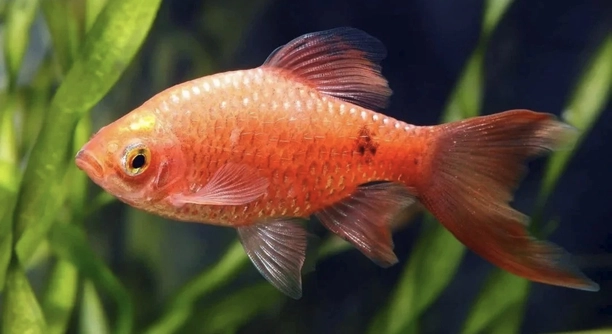
Many aquarists enjoy keeping Rosy Barb tanks for their vibrant colors and active behavior. However, maintaining a balanced environment can be challenging, especially when subtle signs indicate something is off. Recognizing these signs early helps keep the tank healthy and thriving.
Unbalanced Rosy Barb tanks often exhibit changes in fish behavior, water quality, and plant health. These subtle signs include erratic swimming, faded coloration, increased aggression, algae overgrowth, and fluctuating water parameters. Early detection allows for timely adjustments to restore balance effectively.
Knowing these signs can improve your tank’s overall condition. This article will help you identify what to watch for and maintain a stable environment for your Rosy Barbs.
Erratic Swimming and Increased Aggression
Erratic swimming is often one of the first subtle signs that something is off in a Rosy Barb tank. When these fish suddenly start darting around or bumping into tank decorations, it can indicate stress or poor water quality. Increased aggression among the barbs is another behavioral change to note. Normally, Rosy Barbs are peaceful, but if you notice more frequent chasing or fin nipping, it may signal an imbalance in the environment. These behaviors can result from overcrowding, improper water parameters, or inadequate hiding spaces. Addressing these issues promptly can prevent further stress and health problems. Monitoring behavior regularly helps catch these signs early, allowing for timely adjustments to tank conditions.
Behavior changes like these often reflect deeper issues in the tank’s setup or maintenance routine.
Keeping an eye on swimming patterns and social interactions is key. Adjusting stocking levels, improving filtration, or adding plants for cover can help restore calm and balance. Maintaining consistent water testing routines will ensure that water parameters remain stable and suitable for Rosy Barbs.
Water Quality Fluctuations and Algae Growth
Fluctuating water parameters are a common problem that can disrupt the balance of a Rosy Barb tank. Sudden changes in pH, ammonia, nitrite, or nitrate levels create an unstable environment. These shifts often result from irregular water changes, overfeeding, or an overloaded filtration system. Algae growth can also become excessive when nutrient levels spike or lighting is not controlled. Excess algae not only affects the tank’s appearance but also competes with plants for nutrients, reducing oxygen levels. This imbalance can stress fish and plants alike. To keep water quality steady, regular testing and maintenance are essential. Proper feeding habits, efficient filtration, and appropriate lighting schedules all contribute to a healthier tank. Making these adjustments prevents further deterioration and supports a thriving aquatic environment for your Rosy Barbs.
Faded Coloration
Faded coloration in Rosy Barbs is a clear indicator of stress or poor water conditions. When their vibrant reds and pinks dull, it often means something in their environment needs attention.
Color loss can result from several factors, including inadequate nutrition, poor water quality, or illness. Ensuring a balanced diet rich in carotenoids helps maintain their natural hues. Additionally, stable water parameters prevent stress that causes color fading. Regular water testing and proper tank maintenance reduce harmful substances that impact coloration. Illness or parasites may also dull their appearance, so observing other symptoms is important for early treatment.
Improving tank conditions often restores color over time. Adjusting lighting to mimic natural day-night cycles and avoiding sudden changes in water parameters supports fish health. When color fades, timely action prevents long-term effects and keeps your Rosy Barbs looking vibrant and healthy.
Uneven Plant Growth
Uneven plant growth often signals imbalance in tank conditions. It suggests that nutrients, light, or water quality may not be ideal for aquatic plants.
Nutrient deficiencies can cause some plants to wither while others thrive. Excess algae from poor water quality competes for resources, limiting plant health. Lighting that is too weak or too strong disrupts growth patterns. Regular water changes, balanced fertilization, and proper light duration encourage even growth. Plants also help maintain water quality by absorbing excess nutrients, so their health directly impacts fish well-being.
Maintaining a balanced environment with adequate nutrients and light supports plant growth evenly across the tank. This balance creates a more stable habitat for your Rosy Barbs and helps prevent further problems linked to tank imbalance.
Cloudy or Discolored Water
Cloudy or discolored water usually means the tank’s filtration is struggling or there is a buildup of waste. This can stress Rosy Barbs and affect their health.
Regular water changes and proper filter maintenance help keep water clear. Avoid overfeeding to reduce excess waste and maintain balance.
Sudden Changes in Appetite
A sudden decrease or increase in appetite can indicate stress or illness. If Rosy Barbs stop eating or eat excessively, it often points to tank imbalance or disease.
Monitoring feeding habits closely helps detect problems early. Adjusting water quality and checking for parasites can improve their appetite and overall well-being.
Frequent Fin Damage
Frequent fin damage is often caused by aggression or poor water conditions. Torn or ragged fins suggest stress or injury in the tank environment.
Addressing aggression and improving water quality are essential steps. Providing hiding spots and stable conditions supports fin healing and reduces further damage.
FAQ
What causes erratic swimming in Rosy Barbs?
Erratic swimming usually happens due to stress, poor water quality, or overcrowding. Sudden changes in water parameters like pH or ammonia can shock the fish. Lack of hiding spaces and excessive noise or movement outside the tank can also make them nervous. Keeping a stable environment and avoiding sudden changes helps reduce this behavior.
How can I improve my Rosy Barbs’ coloration?
Feeding a varied diet rich in natural color enhancers, like foods containing carotenoids, helps maintain vibrant colors. Stable water quality is also important because stress from poor conditions dulls their appearance. Avoid sudden temperature changes and ensure proper lighting with a consistent day-night cycle to support healthy coloration.
Why is my tank water cloudy?
Cloudy water often results from bacterial blooms, excess waste, or inadequate filtration. Overfeeding can cause leftover food to decompose, increasing ammonia and nitrites. Regular partial water changes and cleaning the filter help clear the water. Avoid overcrowding to reduce waste production and keep the ecosystem balanced.
What should I do if my Rosy Barbs stop eating?
Loss of appetite can signal illness or poor water conditions. Test water parameters immediately and correct any issues. Observe fish for signs of disease like spots or unusual behavior. Offering high-quality, fresh food and reducing stressors will encourage feeding. Quarantining sick fish may be necessary to prevent spread.
How often should I change the water in my Rosy Barb tank?
Changing 20-30% of the water weekly is ideal for maintaining stable water conditions. This helps remove toxins and replenish minerals without stressing the fish. More frequent changes may be needed if the tank is heavily stocked or if water tests show high ammonia or nitrates.
What causes algae overgrowth and how can I control it?
Algae overgrowth is usually caused by excess nutrients, too much light, or poor water circulation. Overfeeding increases nutrient levels, feeding algae. Reducing feeding amounts, limiting light to about 8-10 hours per day, and improving filtration and water flow help control algae growth.
How can I reduce aggression among Rosy Barbs?
Aggression often results from overcrowding or lack of hiding spots. Keeping an appropriate number of fish and providing plants or decorations for shelter helps reduce stress and fights. Ensuring consistent water quality and avoiding sudden environmental changes also keeps fish calmer.
What signs show my plants are struggling in the tank?
Plants with yellowing leaves, slow growth, or melting leaves indicate poor conditions. Nutrient deficiencies, inadequate lighting, or algae competition can cause these issues. Testing and adjusting fertilization, improving light quality, and controlling algae help plants thrive.
How important is tank size for Rosy Barbs’ health?
Tank size affects swimming space and water stability. Smaller tanks are prone to rapid changes in water quality, causing stress. A minimum of 30 gallons is recommended for a small group of Rosy Barbs to allow healthy activity and maintain balanced water conditions.
Can water temperature fluctuations affect Rosy Barbs?
Yes, Rosy Barbs prefer stable temperatures between 72°F and 78°F. Sudden drops or spikes stress fish and weaken their immune system. Using a reliable heater and monitoring temperature regularly ensures stability and reduces health risks.
What should I do if I notice fin damage?
Check for signs of aggression or infection. Improving water quality and providing hiding places reduce stress and injury risk. If infection is suspected, using appropriate treatments after confirming the cause helps heal fins faster.
Are Rosy Barbs sensitive to water pH changes?
They prefer a pH between 6.5 and 7.5. Sudden or extreme pH shifts cause stress and behavior changes. Regular testing and gradual adjustments help maintain a comfortable environment for Rosy Barbs.
How do I balance nutrients to support both fish and plants?
Maintaining a nutrient balance requires avoiding overfeeding, performing regular water changes, and using fertilizers suited for aquatic plants. Healthy plants absorb excess nutrients, preventing algae blooms and creating a better habitat for Rosy Barbs.
What are the best practices for feeding Rosy Barbs?
Feed small amounts 2-3 times a day, offering a mix of flakes, pellets, and occasional live or frozen foods. Avoid overfeeding to prevent water quality issues. Observing how much they eat within a few minutes helps adjust portions.
How can I tell if Rosy Barbs are stressed?
Signs include faded colors, erratic swimming, hiding more often, loss of appetite, and fin damage. Stress can weaken their immune system, making them more vulnerable to disease. Keeping the tank stable and providing a comfortable environment reduces stress.
What is the role of filtration in tank balance?
Filtration removes waste, controls ammonia and nitrites, and maintains oxygen levels. A properly sized and maintained filter ensures water stays clean and healthy for Rosy Barbs. Regular cleaning and monitoring filter performance are essential for tank balance.
Final Thoughts
Maintaining a balanced Rosy Barb tank takes attention to detail and consistent care. Many subtle signs, such as changes in behavior, water quality, and plant health, can indicate when something is wrong. By observing your fish closely and keeping up with regular maintenance, you can catch these issues early before they become serious problems. Small adjustments, like improving filtration, adjusting feeding habits, or controlling lighting, often make a big difference. The key is to provide a stable environment where your Rosy Barbs can thrive and display their natural colors and behaviors.
Understanding the needs of your Rosy Barbs is essential to preventing tank imbalances. These fish are active and social but sensitive to changes in water conditions and tank setup. Ensuring proper tank size, water parameters, and suitable companions reduces stress and aggression. Providing plants and hiding spots also supports a healthy environment by offering shelter and improving water quality. When you notice signs like faded colors or cloudy water, taking action promptly helps restore balance and keeps your tank looking its best. Regular testing and care are simple steps that lead to long-term success.
Keeping a Rosy Barb tank balanced benefits not only the fish but the overall ecosystem in your aquarium. Healthy fish and plants contribute to a cleaner, more attractive tank, making the experience more enjoyable. By staying consistent with water changes, monitoring behavior, and addressing problems quickly, you maintain a peaceful and stable habitat. This care ensures your Rosy Barbs remain active and vibrant, providing lasting enjoyment. Patience and attention go a long way in creating a balanced tank that supports life and beauty for years to come.

Hello,
If you enjoy the content that we create, please consider saying a "Thank You!" by leaving a tip.
Every little bit helps us continue crafting quality advice that supports the health, happiness, and well-being of pets around the world, for pets of all shapes, sizes, and species.
We really appreciate the kindness and support that you show us!