
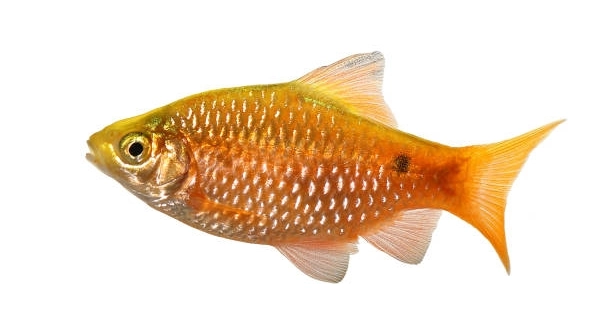
Rosy barbs are popular freshwater fish known for their vibrant colors and active nature. Many aquarium owners enjoy keeping them as part of their aquatic community. However, sometimes these fish seem to vanish without explanation, causing concern among fishkeepers.
The disappearance of rosy barbs in an aquarium is usually due to a combination of environmental, health, and behavioral factors. Common causes include water quality issues, stress, predation, illness, inadequate tank conditions, or accidental escape. Understanding these reasons can help prevent future losses.
Knowing what might cause your rosy barb to disappear can help you maintain a healthier tank environment. The following details will explain the most common factors and how to address them.
Poor Water Quality
Poor water quality is one of the most common reasons why rosy barbs disappear from tanks. Fish are sensitive to changes in their environment, and if ammonia, nitrite, or nitrate levels rise, it can be harmful. High levels of toxins can cause stress, illness, and eventually death. Regular water changes and monitoring are essential. Sometimes tap water contains chlorine or heavy metals, which also affect fish health. Testing the water frequently helps detect issues early. Additionally, overcrowding can worsen water quality by increasing waste. If the tank is not cleaned regularly or filtered properly, the environment becomes unsafe for rosy barbs. When water parameters are unstable, fish may hide more or even try to escape, increasing the risk of disappearance.
Maintaining clean water with stable parameters prevents many health problems in rosy barbs and reduces the chance of them disappearing.
Keeping water conditions stable requires testing weekly, changing 20-30% of the water, and avoiding overcrowding to create a safe space for your fish.
Stress from Tankmates or Environment
Stress can cause rosy barbs to hide or die, leading to their disappearance. Aggressive tankmates may chase or nip at them. Sometimes the tank is too small or lacks hiding spots, making the fish feel unsafe. Sudden changes like moving the tank, loud noises, or bright lights can also stress fish. Stress weakens the immune system, making them vulnerable to illness. Barbs are schooling fish and prefer groups, so keeping them alone may add stress. Stress can also cause them to jump out of the tank. Identifying signs of stress early, like hiding or loss of appetite, is important to prevent disappearance.
Adjusting tankmates, adding plants or decorations for cover, and maintaining a calm environment can reduce stress and keep rosy barbs healthy.
Illness and Disease
Illness is a frequent cause of sudden disappearance among rosy barbs. Symptoms might not always be obvious at first.
Common diseases include ich, fin rot, and fungal infections. These ailments can quickly weaken fish, causing them to hide or die. Stress and poor water conditions often trigger outbreaks. Without treatment, illnesses can spread rapidly, sometimes leading to multiple losses. Quarantining new fish before adding them to the tank helps prevent infections. Observing behavior changes like sluggishness or clamped fins allows early detection. Proper medication and improving water quality are essential steps to recovery.
Fish affected by disease may isolate themselves, making it seem like they have disappeared. In some cases, fish die and are eaten by tankmates or become trapped in decorations, making it harder to find them.
Escaping the Tank
Rosy barbs are known to jump out of tanks when stressed or startled. Open tank lids or rough handling increase this risk.
Jumping often happens when the fish feels threatened or water quality is poor. Even a loud noise can trigger it. Without a secure cover, they can escape unnoticed. Some barbs may hide in plants or decorations near the surface, then leap out suddenly. This behavior can lead to their disappearance outside the tank, especially if not spotted quickly. Preventing escape involves covering the tank and maintaining a calm environment.
Checking the area around the tank for escaped fish is important if you notice a sudden drop in their numbers. Ensuring the tank lid fits well can save your fish from this fate.
Predation by Other Fish
Some tankmates may see rosy barbs as food, especially larger or aggressive species. Predation can cause sudden disappearance without obvious signs.
Barbs that are smaller or weaker are at higher risk. Always research compatible fish to avoid losses from predation.
Inadequate Tank Size
A tank that is too small limits space for swimming and can stress rosy barbs. Overcrowding worsens this problem and may lead to aggressive behavior.
Providing at least 20 gallons for a small group helps keep barbs healthy. More space reduces stress and supports their active nature.
Accidental Removal During Tank Cleaning
It’s easy to accidentally remove a rosy barb when cleaning or rearranging the tank. Fish can hide in decorations or plants and be scooped out unknowingly.
Checking all parts of the tank carefully during maintenance helps avoid this mistake.
FAQ
Why did my rosy barb suddenly disappear from the tank?
There are several reasons your rosy barb may have disappeared suddenly. It could be due to poor water quality causing illness or stress. Stress itself from aggressive tankmates or changes in the environment can cause hiding or jumping out. Disease and predation are also common causes. Additionally, fish can escape through an open lid or be accidentally removed during cleaning. Checking water parameters, tankmates, and the tank setup will often reveal the cause.
Can rosy barbs jump out of the tank?
Yes, rosy barbs are active swimmers and can jump, especially if stressed or startled. Open tanks or loose lids increase this risk. Keeping a tight-fitting lid and reducing sudden disturbances help prevent escapes. It’s important to regularly check around the tank for any missing fish.
How can I tell if my rosy barb is stressed?
Signs of stress include hiding more than usual, loss of appetite, faded color, and erratic swimming. Stress weakens their immune system and makes them prone to disease. Stress often results from poor water conditions, aggressive tankmates, or lack of hiding spots. Monitoring behavior closely can help you take action early.
What water parameters do rosy barbs need?
Rosy barbs thrive in water temperatures between 64°F and 72°F (18°C–22°C). The pH should be neutral to slightly alkaline, around 6.5 to 7.5. Water hardness should be moderate. Regular testing for ammonia, nitrites, and nitrates is critical to ensure safe levels. Maintaining these conditions prevents stress and illness.
Can other fish kill my rosy barbs?
Aggressive or much larger fish may attack or eat rosy barbs, especially smaller or weaker ones. It’s important to choose peaceful tankmates and avoid overcrowding. If your barbs are missing, checking for signs of aggression or injury in other fish can indicate predation.
How often should I clean my tank to keep rosy barbs safe?
Performing a partial water change of 20-30% every one to two weeks is ideal. Over-cleaning or changing too much water at once can cause stress. Regular filter maintenance and debris removal help keep water quality high, reducing the risk of illness or disappearance.
What should I do if I notice disease symptoms in my rosy barbs?
If your fish show signs like white spots, ragged fins, or lethargy, act quickly. Isolate sick fish if possible and treat with appropriate medication. Improving water quality is also important. Early treatment improves chances of recovery and prevents the spread to other fish.
Is overcrowding a problem for rosy barbs?
Yes, overcrowding stresses fish and pollutes water faster. Rosy barbs need space to swim actively. A minimum of 20 gallons is recommended for a small group, with at least six barbs to satisfy their schooling nature. Proper stocking keeps fish healthier and reduces stress-related disappearance.
Can rosy barbs hide in tank decorations or plants?
They do like hiding spots for security, especially when stressed or sick. Dense plants, caves, or decorations provide shelter. However, they can sometimes get stuck or hidden in tight spots, making it seem like they’ve disappeared. Regular checks during cleaning help find any hidden fish.
Why do rosy barbs sometimes die without visible signs?
Fish can die quickly from sudden water quality issues, infections, or internal problems without obvious external symptoms. Dead fish may be eaten by tankmates or fall into hiding spots. Keeping stable water conditions and observing fish behavior closely helps prevent unexpected losses.
How do I prevent rosy barbs from disappearing?
Keep water quality stable with regular tests and water changes. Choose peaceful tankmates and avoid overcrowding. Provide hiding spots and maintain a secure tank lid. Monitor fish daily for stress or illness signs and act quickly if problems arise. Prevention is the best way to keep rosy barbs safe and visible.
Rosy barbs are lively, colorful fish that bring energy to any aquarium. Their sudden disappearance can be worrying, but it usually points to issues that can be fixed or prevented. Many causes, like poor water quality, stress, or illness, affect their health and behavior. By keeping the tank clean and stable, monitoring water parameters, and choosing suitable tankmates, the chances of losing rosy barbs decrease significantly. These simple steps help create a safe environment where the fish can thrive without hiding or disappearing unexpectedly.
Understanding the needs of rosy barbs is important to their well-being. They require enough space to swim, a calm environment, and proper nutrition to stay healthy. Stress from overcrowding or aggressive fish can cause them to hide or even jump out of the tank. Illnesses are often linked to stress and poor water conditions and can spread quickly if not caught early. Regular observation of your fish’s behavior and appearance helps catch problems before they become severe. Taking action early, whether by improving water quality or treating disease, improves survival rates and keeps the fish active and visible.
Lastly, maintaining a secure tank setup is key to preventing escapes and accidental loss. A tight-fitting lid and careful tank cleaning reduce the risk of losing fish during routine maintenance. Providing hiding spots in the tank makes rosy barbs feel safer, but be mindful of places where they could get trapped or hidden for long periods. While it can be frustrating when a rosy barb disappears, these fish often give signals beforehand. Paying close attention to their needs and environment helps keep your aquarium healthy and your rosy barbs present and thriving.

Hello,
If you enjoy the content that we create, please consider saying a "Thank You!" by leaving a tip.
Every little bit helps us continue crafting quality advice that supports the health, happiness, and well-being of pets around the world, for pets of all shapes, sizes, and species.
We really appreciate the kindness and support that you show us!