
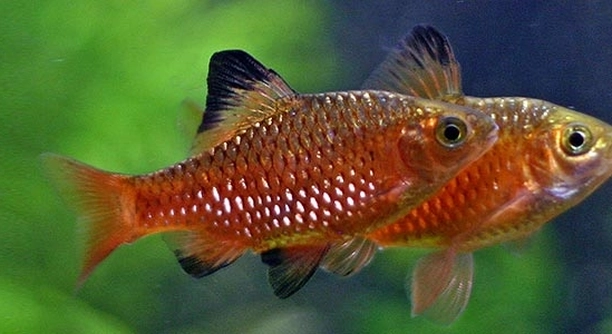
Rosy Barbs are popular freshwater fish often kept in home aquariums. Many fishkeepers want to know how well these colorful fish adjust when introduced to new tanks or environments. Their ability to adapt can affect their health and happiness.
Rosy Barbs have a moderate capacity to adapt quickly to new environments. They show resilience to changes in water conditions but require gradual acclimation to reduce stress and prevent illness. Proper care supports their successful adjustment.
Understanding how Rosy Barbs respond to new surroundings helps ensure their well-being and longevity. This article will explain important factors affecting their adaptation and offer tips for smooth transitions.
How Rosy Barbs Handle Water Changes
Rosy Barbs come from rivers and streams where water conditions can vary. Because of this, they have some natural ability to handle changes in water quality. However, sudden or large changes in water temperature, pH, or hardness can still cause stress. When moving them to a new tank, it’s best to introduce them slowly. Using a drip acclimation method or floating their bag in the tank to equalize temperature can help. Stress weakens their immune system and makes them more likely to get sick. Keeping the water clean and stable with regular maintenance also supports their health. Observing the fish closely for signs of stress or illness during the first days in a new environment is important. A calm, well-planted tank with hiding spots can reduce stress and help them settle in faster. These simple steps improve their chance of adjusting quickly and staying healthy.
Slow acclimation helps Rosy Barbs avoid shock and thrive in their new setting.
Making sure water conditions are stable and clean is key for a smooth transition. Watching the fish closely during the first week gives insight into how well they are adapting. Any unusual behavior like hiding constantly or loss of appetite should be addressed quickly. Adding plants and decorations mimics their natural habitat and provides comfort. Feeding small amounts regularly keeps their energy up and supports recovery from the move. While they can tolerate some variation, sudden shifts are harmful and should be avoided. Maintaining steady water parameters and minimizing stress encourages their quick adjustment to the new tank. With proper care, Rosy Barbs can settle in well and show their lively, colorful nature. This attention to detail during acclimation improves their overall health and happiness.
Feeding and Diet in a New Environment
A Rosy Barb’s diet plays an important role when adapting to a new tank. If the food changes too suddenly, they might refuse to eat or become stressed. Offering familiar foods initially makes the transition easier. Once comfortable, you can introduce a variety of flakes, pellets, and live or frozen foods to ensure proper nutrition. Feeding small amounts multiple times a day encourages appetite and reduces waste. Overfeeding should be avoided because it can pollute the water and cause health problems. Providing a balanced diet supports their immune system and energy levels during adjustment. Consistent feeding schedules also create a sense of routine that helps reduce stress. Good nutrition helps Rosy Barbs stay strong and more capable of handling changes in their environment.
Tank Setup for Rosy Barbs
Rosy Barbs need enough space to swim actively. A tank of at least 20 gallons is recommended for a small group. They prefer moderate water flow and plenty of hiding spots.
Providing a well-planted tank with smooth gravel or sand helps create a comfortable environment. Live plants not only offer shelter but also improve water quality by absorbing nitrates. Decorations like rocks or driftwood give places to explore and hide, which reduces stress. Maintaining good filtration and regular water changes keeps the water clean and safe for them. Lighting should mimic natural daylight without being too harsh, helping regulate their daily activity. Proper tank setup plays a major role in how quickly Rosy Barbs adapt and thrive in a new home.
Keeping the water temperature steady between 64°F and 72°F supports their comfort. Sudden temperature swings can cause stress and illness, so a reliable heater or chiller is useful depending on the climate. Testing water regularly for pH, ammonia, and nitrite levels ensures the environment stays healthy. Overall, the right tank setup helps Rosy Barbs feel secure and settle in smoothly.
Social Behavior and Adaptation
Rosy Barbs are social fish that do best in groups of five or more. This reduces aggression and encourages natural schooling behavior. When introduced to a new environment, they often feel safer with companions.
Stress from isolation or sudden changes can cause hiding or aggression. Keeping a consistent group helps them feel confident and lowers stress. Introducing all fish at the same time reduces territorial disputes. Observing their interactions helps spot any bullying early so you can separate aggressive individuals if needed. Maintaining social groups also improves their feeding behavior and overall activity. Rosy Barbs are lively fish that thrive when their social needs are met, aiding faster adaptation in a new tank.
Signs of Stress in Rosy Barbs
Rosy Barbs under stress may show dull colors or hide more than usual. They might also lose appetite or swim erratically. Watching for these signs early helps prevent serious health problems.
Stress often results from poor water quality or sudden changes. Identifying symptoms quickly allows timely action to improve their environment.
Preventing Stress During Transport
Transporting Rosy Barbs can be stressful if not done carefully. Use a sturdy container with clean, aerated water and keep the temperature stable. Limit handling time and avoid overcrowding during transit to reduce shock and injury.
Water Quality Importance
Maintaining clean water with proper filtration is vital for Rosy Barbs’ health. Regular testing for ammonia, nitrites, and nitrates keeps the environment safe. Poor water quality weakens their immune system, making them vulnerable to disease.
Common Adaptation Challenges
Sudden changes in water parameters, overcrowding, and lack of hiding spots often cause adaptation issues. Addressing these problems quickly supports Rosy Barbs’ well-being and helps them adjust faster.
FAQ
How long does it take for Rosy Barbs to adapt to a new tank?
Rosy Barbs usually take about one to two weeks to adjust to a new environment. During this time, they may act shy or hide more than usual. Providing stable water conditions and a calm setting helps speed up their adaptation.
Can Rosy Barbs live with other fish?
Yes, Rosy Barbs are generally peaceful but can be a bit nippy. They do well with similar-sized, non-aggressive fish like danios or barbs. Avoid slow-moving or long-finned species because Rosy Barbs might nip at them.
What water conditions do Rosy Barbs need?
They prefer slightly hard water with a pH between 6.5 and 7.5 and temperatures between 64°F and 72°F. Stable water quality is more important than exact numbers. Regular testing and maintenance keep the tank healthy.
Do Rosy Barbs need a heater?
A heater is helpful if your room temperature drops below 64°F regularly. They tolerate cooler water better than many tropical fish but still prefer consistent temperatures within their range.
How often should I feed Rosy Barbs?
Feed small amounts two to three times daily. Overfeeding can pollute the water and cause health issues. A varied diet of flakes, pellets, and occasional live or frozen food is ideal.
What are common health problems in Rosy Barbs?
Stress from poor water quality or sudden changes can lead to diseases like ich or fin rot. Maintaining clean water and avoiding overcrowding helps prevent these issues.
How can I reduce stress for Rosy Barbs?
Provide plenty of hiding spots and plants. Keep water parameters stable and avoid sudden changes. Keeping them in groups also reduces stress, as they are schooling fish by nature.
Is it okay to add new Rosy Barbs to an established tank?
Yes, but introduce them slowly with proper acclimation. Monitor for signs of aggression and stress. Adding several at once is better than adding one at a time to prevent bullying.
What signs show Rosy Barbs are happy and healthy?
Bright colors, active swimming, schooling behavior, and regular eating are good signs. When comfortable, they explore the tank and interact with other fish.
Can Rosy Barbs breed in a home aquarium?
They can breed if conditions are right, including slightly warmer water and plenty of plants or spawning mops. Eggs hatch quickly, but fry require special care and food.
How often should I change the water?
A 20-25% water change every week helps keep the environment stable and clean. Frequent water changes prevent toxin buildup and reduce stress.
What tank size is best for Rosy Barbs?
At least 20 gallons for a small group is recommended. They are active swimmers and need space to move freely.
How do I prevent fin nipping?
Keep Rosy Barbs in groups of five or more. Providing enough space and hiding places also helps reduce aggression and fin nipping.
Can Rosy Barbs live in cold water tanks?
They tolerate cooler temperatures better than many tropical fish but are not true coldwater species. Avoid temperatures below 60°F.
What is the best way to acclimate Rosy Barbs?
Use drip acclimation or float their transport bag in the tank for 20-30 minutes. Slowly add tank water to their container to balance water chemistry before releasing them.
Are Rosy Barbs good for beginners?
Yes, they are hardy and adapt well if given proper care. Their moderate needs make them suitable for those new to keeping fish.
Can Rosy Barbs change color?
Their colors can become dull when stressed or sick. Healthy, well-cared-for Rosy Barbs show vibrant reds and golds.
How social are Rosy Barbs?
They are schooling fish that prefer company. Alone, they can become shy or stressed, so keeping them in groups is best for their well-being.
What should I do if a Rosy Barb gets sick?
Isolate the sick fish in a quarantine tank. Check water parameters and treat with appropriate medication. Improving water quality is often the first step in recovery.
Rosy Barbs are lively and colorful fish that many people enjoy keeping in their aquariums. They have a good ability to adjust to new environments if given the right care. This includes providing stable water conditions, a proper tank setup, and a balanced diet. It’s important to introduce them slowly to new water and surroundings to reduce stress. Watching their behavior during the first few days can help you know if they are settling in well or if any problems need attention.
Setting up the tank correctly makes a big difference in how quickly Rosy Barbs adapt. They need enough space to swim and some plants or decorations to hide in when they feel stressed. Keeping the water clean and stable with regular changes and good filtration supports their health. These fish do best in groups, so having several Rosy Barbs together helps reduce aggression and keeps them active. Making sure the temperature and water chemistry are right will also help them feel comfortable and less likely to get sick.
Taking time to meet their social and environmental needs leads to happier and healthier Rosy Barbs. Providing a consistent feeding routine with varied food supports their immune system and energy. Avoiding sudden changes and keeping the tank peaceful will encourage them to show their true colors and natural behavior. With patience and care, Rosy Barbs can thrive in a new home and bring enjoyment to your aquarium for a long time. Paying attention to their needs from the start makes all the difference in how well they adapt and stay healthy.

Hello,
If you enjoy the content that we create, please consider saying a "Thank You!" by leaving a tip.
Every little bit helps us continue crafting quality advice that supports the health, happiness, and well-being of pets around the world, for pets of all shapes, sizes, and species.
We really appreciate the kindness and support that you show us!