
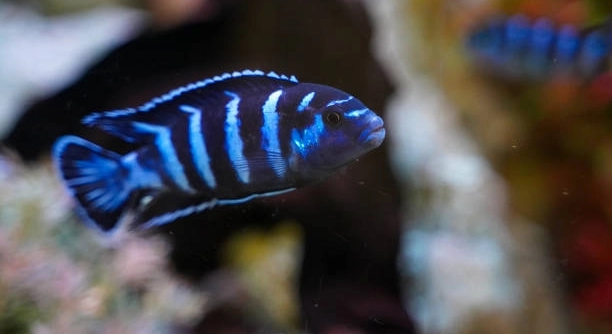
African cichlids are known for their vibrant colors and active behavior, but they can sometimes become aggressive or stressed. Managing their mood is important to maintain a peaceful aquarium environment. Understanding how to calm an angry cichlid helps keep your fish healthy and happy.
The best ways to calm an angry African cichlid include providing ample space, hiding spots, proper water conditions, balanced diet, compatible tank mates, reducing sudden changes, and maintaining a consistent routine. These measures minimize stress and aggressive behaviors effectively.
Knowing these key strategies will help you create a calm and balanced tank. This guide offers clear steps to improve your cichlid’s well-being and harmony in your aquarium.
Provide Ample Space and Hiding Spots
African cichlids need enough room to swim freely and establish their own territory. Overcrowding can increase stress and lead to aggression. A tank size of at least 30 gallons is recommended for a few cichlids, with larger tanks preferred for multiple fish. Adding rocks, caves, and plants gives them places to hide and retreat when feeling threatened. These hiding spots reduce direct confrontations and give the fish a sense of security. Without sufficient space and shelters, cichlids may become more defensive and aggressive toward other tank mates. Regularly rearranging decorations can also help disrupt established territories and reduce bullying. Monitoring their behavior after making these adjustments can show clear improvements in their mood. This simple change creates a calmer, healthier environment for your African cichlids to thrive.
Providing enough room and hiding places helps decrease tension and aggression.
Giving your cichlids a spacious tank with plenty of shelters supports natural behaviors. It reduces stress by allowing them to escape when needed. Rocks and caves mimic their natural habitat and create safe zones. This setup encourages peaceful coexistence and minimizes territorial fights, which are common among these fish. Maintaining a well-structured environment is essential for their well-being and for your aquarium’s balance.
Maintain Proper Water Conditions
Stable water quality is essential to keep African cichlids calm. Fluctuations in temperature, pH, or ammonia levels can quickly stress them.
Keeping the water clean with regular changes and a good filtration system is key. Ideal temperature ranges from 74 to 82°F, and the pH should be between 7.8 and 8.6. Testing water parameters weekly helps catch problems early. Avoid sudden water changes that can shock your fish. Using a water conditioner reduces harmful chemicals, ensuring the water is safe. Clean water supports their immune system, making them less prone to illness and aggression. Taking time to maintain the tank environment consistently leads to a noticeable difference in behavior. Calm fish are a sign of proper care and good water quality.
Balanced Diet and Feeding Schedule
Feeding African cichlids a balanced diet helps reduce aggression. Overfeeding or underfeeding can increase stress and cause fights.
A diet rich in proteins and vegetables suits African cichlids well. High-quality pellets, flakes, and occasional live or frozen foods like brine shrimp or bloodworms keep them healthy. Avoid feeding too much, as leftover food can pollute the tank and harm water quality. Consistent feeding times help regulate their behavior, preventing hunger-driven aggression. Feeding small amounts two to three times a day is ideal for maintaining energy without overfeeding. This approach supports their natural appetite and reduces competition over food.
Ignoring diet needs may worsen aggression and stress. Providing the right nutrients at regular intervals keeps your cichlids calmer. Proper feeding also enhances their color and overall vitality, making your aquarium more enjoyable. Monitoring their eating habits can reveal changes in mood or health, allowing you to adjust the diet when necessary.
Compatible Tank Mates
Choosing compatible tank mates is crucial for a peaceful aquarium. Aggressive species or overcrowding can trigger conflicts.
African cichlids often do best with fish of similar size and temperament. Avoid small, delicate species that might become targets. Other robust cichlids or fast-swimming fish like certain catfish species can coexist well. Keeping the number of fish appropriate for the tank size reduces territorial fights. Introducing new fish slowly and monitoring interactions is important to prevent stress. Compatibility reduces aggressive displays and encourages more natural, relaxed behavior in your cichlids, creating a balanced community.
Reduce Sudden Changes
Sudden changes in the tank environment can stress African cichlids and increase aggression.
Keep lighting, temperature, and water chemistry stable. Avoid rearranging decorations too often, as this can trigger fights over new territories.
Maintain a Consistent Routine
Consistency in feeding, cleaning, and general tank maintenance helps keep cichlids calm. Predictable schedules reduce their stress and help them feel secure in their environment.
Monitor Behavior Closely
Regularly observing your cichlids helps detect early signs of stress or aggression. Prompt action can prevent issues from escalating.
Avoid Overcrowding
Too many fish in one tank increase competition and stress. Maintaining proper stocking levels is essential for a peaceful aquarium.
FAQ
Why is my African cichlid so aggressive all of a sudden?
Sudden aggression can result from stress caused by changes in the environment, such as water quality, temperature shifts, or rearranged tank decorations. Overcrowding or the introduction of new fish without proper acclimation can also increase territorial behavior. Monitoring water parameters and providing enough space often helps reduce this aggression.
How can I tell if my cichlid is stressed or just being territorial?
Stress signs include hiding more than usual, loss of appetite, or erratic swimming. Territorial aggression usually shows as chasing or nipping at other fish. Both behaviors can overlap, but stress typically affects the fish’s overall health, while territoriality is mostly about defending space.
What tank size is best for African cichlids?
A minimum of 30 gallons is recommended for a small group. Larger tanks of 55 gallons or more are better if you keep several cichlids to provide enough swimming room and reduce fights over territory.
Can I keep different species of African cichlids together?
Yes, but it depends on their temperament and size. Mixing overly aggressive species with shy or smaller ones can cause stress and injury. Choosing species with similar aggression levels and providing ample hiding spots helps maintain peace.
How often should I change the water?
Changing 20-30% of the water every one to two weeks keeps the environment clean and stable. More frequent changes might be needed if the tank is heavily stocked or water quality drops.
What foods are best for calming aggressive cichlids?
A varied diet with high-quality pellets or flakes, supplemented by live or frozen foods like brine shrimp or bloodworms, supports good health and reduces stress. Avoid overfeeding, as uneaten food pollutes the tank and can worsen water quality.
Is it okay to rearrange tank decorations to reduce aggression?
Rearranging can help disrupt established territories and reduce bullying, but it should be done carefully and not too often. Sudden changes can also stress fish, so balance is key.
How do I know if my tank mates are compatible?
Watch for signs of constant chasing, hiding, or injury. Compatible mates will coexist with minimal conflict. Research the specific needs and behavior of each species before mixing them.
Can water temperature affect aggression?
Yes, temperatures outside the ideal range (74-82°F) can stress cichlids, making them more irritable. Keeping stable, appropriate temperatures is important for calm behavior.
What should I do if one cichlid is bullying others?
Try adding more hiding spots or increasing the tank size. If bullying persists, consider separating the aggressive fish temporarily or permanently to prevent injury.
How important is water pH for African cichlids?
African cichlids prefer alkaline water with a pH between 7.8 and 8.6. Stable pH levels support their health and reduce stress-related aggression.
Can stress cause illness in African cichlids?
Yes, stressed fish have weaker immune systems and are more prone to diseases. Keeping stress low through proper care helps maintain their health.
What role does lighting play in cichlid behavior?
Sudden bright lights or irregular lighting schedules can increase stress. Providing a natural day-night cycle with consistent lighting reduces aggressive behavior.
How do I introduce new fish to a cichlid tank?
Introduce new fish slowly, using a quarantine tank first if possible. When adding them to the main tank, rearrange decorations to reset territories and reduce aggression.
Are there any signs that aggression is natural rather than a problem?
Some aggression is normal, especially during breeding or territory establishment. It becomes a problem if it leads to injury, constant stress, or death.
Can overfeeding lead to aggression?
Yes, overfeeding can cause water pollution and poor water quality, which stress fish and increase aggressive behavior. Feeding the right amount regularly is better.
How does aquarium maintenance affect aggression?
Poor maintenance leads to dirty water and unstable conditions, which increase stress and aggression. Regular cleaning and monitoring keep fish calm and healthy.
What plants work best in an African cichlid tank?
Hardy plants like Anubias or Java fern survive well in cichlid tanks. They provide cover and help reduce aggression by breaking line of sight.
Is it normal for cichlids to fight during breeding?
Yes, breeding pairs can become highly territorial and aggressive. Providing separate breeding areas can protect other fish.
How can I reduce aggression without medication?
Focus on tank size, environment, diet, compatible mates, and routine maintenance. These natural adjustments usually calm aggressive behavior without drugs.
African cichlids are beautiful and lively fish, but their aggressive behavior can be challenging to manage. Understanding their needs and natural instincts is key to keeping them calm. Providing enough space, hiding spots, and a proper diet helps reduce stress and aggression. Paying attention to water quality and maintaining a consistent environment also plays an important role. These factors work together to create a peaceful home for your cichlids.
Keeping African cichlids calm takes patience and careful observation. Each fish may react differently to changes in their tank or new tank mates. It is important to notice signs of stress or conflict early and make adjustments as needed. Sometimes rearranging decorations or changing feeding routines can make a big difference. Supporting your fish with good care routines and a stable environment allows them to express natural behavior without constant fighting.
In the end, creating a calm aquarium for African cichlids involves balance. It requires attention to their space, diet, water conditions, and social interactions. While some aggression is normal, controlling it improves the health and happiness of your fish. When their needs are met, they show brighter colors and more natural, relaxed behavior. This leads to a more enjoyable and successful aquarium experience.

Hello,
If you enjoy the content that we create, please consider saying a "Thank You!" by leaving a tip.
Every little bit helps us continue crafting quality advice that supports the health, happiness, and well-being of pets around the world, for pets of all shapes, sizes, and species.
We really appreciate the kindness and support that you show us!