
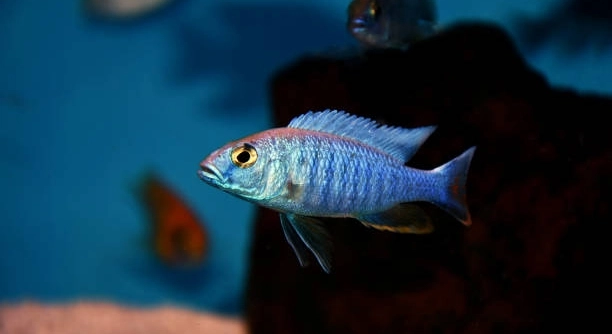
Do you ever notice how African cichlids behave around each other in their tanks? These colorful fish often show strong reactions when other fish approach their space. Understanding their behavior helps in caring for them properly.
African cichlids do exhibit territorial behavior, but labeling it as jealousy is anthropomorphic. Their aggressive actions are primarily about defending resources like shelter and mates, driven by instinct rather than emotional jealousy.
Learning more about their natural behavior can help you create a peaceful environment for your fish. This insight will improve your care and their well-being in captivity.
Understanding Territorial Behavior in African Cichlids
African cichlids are well-known for their territorial nature. In the wild, they stake out specific areas on rocky lake beds, protecting these spaces from intruders. This behavior helps them secure food, breeding sites, and shelter. In an aquarium, similar patterns emerge. Males often become more aggressive to guard their chosen spots, especially during breeding. The size of the tank and the number of hiding places also affect how much territory each fish claims. When space is limited, cichlids may show more aggression toward each other, trying to maintain control. This behavior is not about jealousy but survival and reproduction instincts. By providing enough space and hiding spots, tank owners can reduce aggressive displays. It is important to observe these behaviors to ensure a healthy environment. Recognizing these natural instincts helps in managing fish interactions better and maintaining balance in the tank.
Territorial behavior is a survival mechanism, not an emotional reaction like jealousy.
Proper tank setup can help reduce aggression and promote healthier fish interactions, making for a calmer aquarium environment.
How to Manage Territorial Aggression in Your Aquarium
Aggression in African cichlids can cause stress and injury if not managed properly.
Creating a balanced aquarium environment requires careful planning. Start by choosing a large tank with plenty of rocks and caves to serve as natural boundaries. This breaks up the space and gives fish their own territories, lowering conflict chances. Keeping a mix of species with different temperaments can help balance dominance. Avoid overcrowding, as too many fish in a small space increases stress and fights. Feeding should be consistent, as hunger can worsen aggressive behavior. Observing the fish regularly helps identify when one individual is too dominant or stressed, allowing intervention such as separating aggressive fish. Adjusting lighting and adding plants can also reduce stress levels. With patience and attention to their needs, you can create an aquarium where African cichlids thrive with limited territorial disputes. This approach ensures healthier, less stressed fish, contributing to a better tank environment overall.
Signs of Territorial Behavior in African Cichlids
Territorial African cichlids often show clear signs like chasing, fin flaring, and digging. These behaviors indicate their attempt to protect a space or resource.
Aggressive displays help cichlids warn others without immediate fighting. Chasing is common when a fish enters another’s territory, trying to push it away. Fin flaring makes them look bigger and more intimidating. Digging in the substrate may mark a breeding area or hide eggs. These behaviors are normal and expected in a healthy tank with territorial species. Watching for these signs can help prevent serious fights before they happen. It also gives clues about which fish may need more space or separation.
Recognizing when aggression crosses into harmful fighting is important. Injuries, torn fins, or constant chasing mean the tank setup or stocking needs adjustment. Timely action keeps the fish safe and stress-free.
Impact of Tank Environment on Territorial Behavior
The environment strongly influences how territorial African cichlids act. Small, crowded tanks often increase aggression and stress.
A spacious tank with plenty of hiding places reduces conflict by allowing fish to claim their own areas. Rocks, caves, and plants break lines of sight, which helps calm aggressive displays. A well-structured environment mimics natural habitats, promoting more natural and less extreme behaviors. Lighting and water quality also affect fish mood; dimmer lighting can reduce stress and bright light may increase aggression. Maintaining clean water supports overall health, making fish less prone to aggressive behavior. Adjusting the tank environment thoughtfully is essential for managing territorial tendencies and ensuring a peaceful aquarium community.
Breeding and Territoriality
During breeding, territorial behavior in African cichlids becomes more intense. Males fiercely protect their nesting sites from rivals.
Females may also guard their eggs or fry, showing protective but less aggressive behavior compared to males.
Introducing New Fish to a Cichlid Tank
Adding new fish to a tank with established African cichlids requires care. Introducing them slowly helps reduce stress and aggression. It’s best to rearrange decorations before adding newcomers, so territories are disrupted evenly. New fish should be introduced in groups to spread attention. Monitoring behavior after introduction is key to preventing fights. If aggression becomes severe, separating fish temporarily may be necessary to maintain peace. Patience and observation during this process are important for a successful integration.
Common Mistakes When Handling Territorial Cichlids
Ignoring space needs or overcrowding tanks can worsen territorial fights.
Benefits of Understanding Territorial Behavior
Knowing how cichlids behave territorially improves tank harmony and fish health.
FAQ
Do African cichlids really feel jealousy?
No, African cichlids do not experience jealousy as humans do. Their aggressive and territorial behaviors come from instinct and survival needs, not emotions. What looks like jealousy is actually their natural way to protect resources like space, food, and mates. Understanding this helps avoid misinterpreting their actions.
How can I tell if my cichlids are being territorial or just aggressive?
Territorial behavior usually involves specific actions like chasing intruders away from a particular area, fin flaring to appear larger, and guarding caves or rocks. General aggression might be more constant and widespread, not limited to defending space. Observing when and where the aggression happens can help identify territorial behavior.
What tank size is best to reduce territorial fights?
A larger tank helps a lot. At least 55 gallons is recommended for African cichlids to give them enough room to claim territories without constant conflict. Bigger tanks with plenty of hiding spots, rocks, and caves break the line of sight, reducing aggressive encounters.
Can tank decorations help with territorial behavior?
Yes, decorations like rocks, caves, and plants create natural boundaries and hiding places. This allows each fish to establish a territory and feel secure. Rearranging these decorations occasionally can also reset territories and lower aggression.
Should I separate aggressive cichlids?
If aggression causes injury or stress, separating the fish temporarily is a good idea. Providing more space or rearranging the tank might reduce fights too. In severe cases, permanent separation may be necessary to protect weaker fish.
How do I introduce new cichlids without causing fights?
Introduce new fish in groups rather than alone, and rearrange tank decorations before adding them. This helps disrupt established territories evenly. Adding fish slowly and watching interactions closely lets you intervene if aggression spikes.
Do males or females show more territorial behavior?
Males tend to be more territorial, especially during breeding. They protect nesting sites fiercely. Females may show protective behavior around eggs or fry but are usually less aggressive overall.
Can diet affect territorial behavior?
Yes, well-fed fish tend to be less aggressive. Hunger can increase competition and fighting. Feeding a balanced diet regularly helps keep aggression lower and fish healthier.
Is it normal for cichlids to dig in the substrate?
Yes, digging is common and part of their territorial behavior. They use it to create breeding sites or clear spaces for territory. While it may disrupt plants or decor, it’s natural and usually harmless.
What signs show that territorial behavior is harming fish?
Look for torn fins, wounds, constant chasing, or hiding. Stressed or injured fish may lose appetite or become lethargic. If these signs appear, adjustments in tank size, decorations, or separating fish are needed to prevent serious harm.
Understanding these points helps create a better environment for African cichlids, making tank life less stressful and more enjoyable for both the fish and the owner.
African cichlids are known for their strong territorial instincts, which can sometimes be mistaken for jealousy. Their behavior is driven by natural needs to protect space, resources, and breeding areas. Recognizing this helps to understand why they act the way they do and prevents assuming they have human-like emotions. This understanding is important for anyone keeping these fish, as it guides how to create a suitable environment that meets their needs and reduces conflicts.
Providing a well-planned aquarium with enough space and plenty of hiding spots can make a big difference in managing territorial behavior. When cichlids have room to claim their own areas, they are less likely to become aggressive. Adding rocks, caves, and plants helps break up the space and gives each fish a safe spot. It also helps to rearrange decorations occasionally to prevent any one fish from becoming too dominant over a territory. These small changes in the tank setup can greatly improve the overall harmony among the fish.
Finally, observing the fish closely and understanding their behavior helps in spotting early signs of stress or fighting. If aggression becomes harmful, steps like separating aggressive fish or adjusting the tank environment are necessary. Feeding the fish properly and introducing new fish carefully also help keep peace. With attention to their natural behavior and needs, African cichlids can live healthier, less stressed lives in captivity. This makes caring for them more rewarding and ensures a calmer, more balanced aquarium.

Hello,
If you enjoy the content that we create, please consider saying a "Thank You!" by leaving a tip.
Every little bit helps us continue crafting quality advice that supports the health, happiness, and well-being of pets around the world, for pets of all shapes, sizes, and species.
We really appreciate the kindness and support that you show us!