
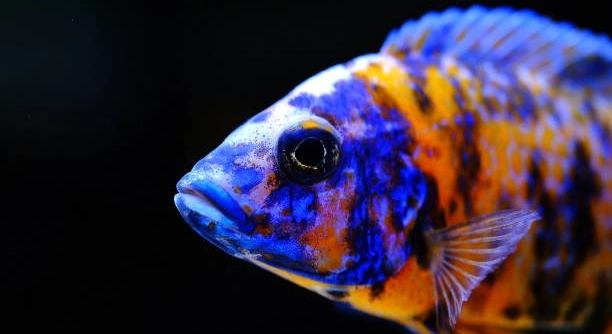
African cichlids are popular aquarium fish known for their bright colors and active behavior. Many hobbyists wonder about the best water conditions to keep them healthy and thriving. One common topic is whether salt should be added to their water.
African cichlids do not require salt in their water for survival. They naturally live in freshwater lakes with low salt content, and adding salt is not necessary for their basic health. However, small amounts of salt may be used occasionally for specific treatments.
Knowing when and how to use salt safely can help keep your cichlids healthy and avoid common mistakes in care.
Why Some Keepers Add Salt to African Cichlid Tanks
Many people add salt to African cichlid tanks as a precaution or treatment. Salt is sometimes used to help reduce stress, fight parasites, or improve gill function in fish. While these fish come from freshwater environments with very little salt, small amounts of aquarium salt can create a mild antiseptic effect. This can help during illness or when introducing new fish to prevent infections. It is important to use the right type of salt and avoid table salt with additives, as those can harm the fish. Also, adding too much salt can stress or even kill the cichlids, so it must be done carefully. For everyday care, salt is not required, but it may have a place in specific health situations or water quality adjustments.
Salt treatments should only be temporary and at low concentrations to avoid negative effects.
Using salt carefully can sometimes support fish health, but it should never replace proper tank maintenance and water changes.
Understanding the Natural Habitat of African Cichlids
African cichlids mostly come from the large freshwater lakes in East Africa, such as Lake Malawi and Lake Tanganyika. These lakes have very low salt levels, which means the fish are adapted to live in nearly pure freshwater. The water in these lakes is usually hard and alkaline, rich in minerals like calcium and magnesium, but not salt. This environment shapes how cichlids handle water chemistry and what they need to thrive in captivity. Providing water that mimics their natural habitat is key to their health. Adding salt is not part of this natural setup, so it is generally unnecessary and can upset the balance if used improperly. Instead, keeping the right pH, hardness, and clean water is more important for these fish than adding salt.
How to Use Salt Safely with African Cichlids
Salt can be used in small amounts to treat certain health problems in African cichlids. It’s important to keep the concentration low, usually around 1 to 3 grams per liter of water. Higher amounts can harm the fish.
When adding salt, always dissolve it in a separate container before mixing it into the tank. This helps avoid sudden changes that could shock your fish. Monitor your cichlids closely during treatment to watch for signs of stress. Use salt treatments only for short periods, typically a few days to a week. Afterward, perform a water change to remove excess salt. Avoid salt if your fish are showing signs of irritation or unusual behavior. Salt is just one tool, not a cure-all.
Regular tank maintenance, proper diet, and stable water conditions are the best ways to keep cichlids healthy. Salt treatments should be used sparingly and carefully to avoid causing more harm than good.
Effects of Salt on African Cichlids’ Health
Adding salt can sometimes help reduce parasites and bacterial infections in cichlids. It can also improve the fish’s slime coat, which acts as a barrier against diseases. However, too much salt or long exposure can cause dehydration and stress. African cichlids are not naturally adapted to salty water, so their kidneys and gills may struggle to maintain balance when salt levels rise.
Salt may affect the behavior of cichlids, causing them to become less active or lose appetite temporarily. Overuse can lead to poor water quality by harming beneficial bacteria in the aquarium filter. This disruption can result in ammonia spikes, which are dangerous for all tank inhabitants.
Salt should never replace proper treatment methods prescribed by a veterinarian or fish specialist. It is best used as a complementary step, not the main form of care. Always follow dosage instructions carefully and avoid prolonged use.
When to Avoid Using Salt with African Cichlids
Salt should not be used if your cichlids come from very hard water environments, as it can disrupt mineral balance. Also, avoid salt if fish show signs of stress like gasping or unusual swimming.
Using salt with delicate or newly hatched fry is risky. Young cichlids are more sensitive and can be harmed easily by salt treatments. It’s better to wait until they grow stronger before considering any salt use.
Alternatives to Salt for Treating African Cichlids
Instead of relying on salt, focus on maintaining clean water through regular changes and proper filtration. Using medications designed for freshwater fish is often safer and more effective against parasites and infections. A well-balanced diet also helps boost their immune system naturally.
Salt and Aquarium Plants
Most live plants in African cichlid tanks do not tolerate salt well. Salt can damage or kill many aquatic plants, affecting the tank’s ecosystem. It’s important to consider this before adding salt to a planted aquarium.
FAQ
Do African cichlids need salt in their water?
African cichlids do not need salt in their water for everyday health. They live in freshwater lakes with very low salt levels, so their bodies are adapted to such environments. Salt is only used sometimes for treating illnesses, not as a regular part of their care.
Can salt improve the health of African cichlids?
Salt can help in specific cases by reducing parasites and aiding recovery from minor infections. It also helps improve the fish’s slime coat, which protects them from disease. However, it is not a cure-all and should be used carefully to avoid stress or damage.
How much salt is safe to add to an African cichlid tank?
A safe salt concentration for treatment is usually between 1 to 3 grams per liter. It’s important to dissolve salt fully before adding it to the tank. Never exceed this amount, and limit treatments to a few days to avoid harming your fish.
Can salt harm African cichlids?
Yes, too much salt or prolonged exposure can harm African cichlids. It can cause dehydration, stress, and damage their gills and kidneys. Overusing salt can also disrupt beneficial bacteria in the tank, leading to poor water quality and further health issues.
Should salt be used with young or baby cichlids?
Salt is risky for fry and young cichlids because they are more sensitive. It can stunt their growth or cause death if used improperly. It’s better to avoid salt treatments until the fish are older and stronger.
Is salt good for preventing diseases in African cichlids?
Salt is not a substitute for proper tank care. While it can reduce some disease risks, the best prevention is maintaining clean water, balanced nutrition, and stable tank conditions. Salt should only be used as a temporary treatment, not a regular preventive measure.
Can I use regular table salt in my cichlid tank?
No, regular table salt often contains additives like iodine and anti-caking agents that are harmful to fish. Only use aquarium salt specifically made for fish tanks, which is free of dangerous additives.
How often should I use salt treatments?
Salt treatments should be occasional and short, lasting only a few days when needed. Frequent or continuous use can stress your fish and damage the tank’s ecosystem.
What are the signs that salt is harming my African cichlids?
Watch for signs like gasping at the surface, rapid breathing, clamped fins, loss of appetite, or unusual swimming patterns. These can indicate stress or salt overdose, and you should do a partial water change immediately.
Does salt affect aquarium plants?
Salt can damage or kill many freshwater plants. If you have live plants, be cautious with salt use, as it may harm the plants and disturb the tank’s balance.
What should I do if I accidentally add too much salt?
If too much salt is added, perform a partial water change immediately to dilute the salt concentration. Monitor the fish closely for stress and improve aeration to help them recover.
Can salt replace medications for treating diseases?
Salt can support fish health but should not replace specific medications prescribed for diseases. For serious infections or parasites, use proper treatments recommended by aquatic vets or fish experts.
Is there a difference between aquarium salt and marine salt?
Yes, aquarium salt is pure sodium chloride without additives, used for freshwater tanks. Marine salt is a mix of many minerals designed for saltwater tanks and is not suitable for African cichlids or freshwater aquariums.
Can I use salt for water hardness adjustment?
Salt does not replace minerals needed for water hardness. African cichlids prefer hard, alkaline water, which is best maintained by adding specific minerals, not salt.
How do I safely stop a salt treatment?
After completing a salt treatment, do a partial water change to remove excess salt. Resume normal tank care, and monitor fish for any ongoing health issues. Avoid sudden removal of salt to prevent shock.
African cichlids are unique fish that come from specific freshwater environments, which means their care needs to match their natural conditions. Adding salt to their water is not necessary for their daily health or well-being. These fish have adapted to live in lakes with very low salt levels, so their bodies are designed to thrive without extra salt. For most aquarium keepers, focusing on stable water quality, proper diet, and tank maintenance will do far more for the health of African cichlids than using salt regularly. Salt should not be viewed as a routine part of care but as a tool for special situations.
Salt can sometimes be helpful when dealing with certain health issues, such as minor infections or parasites. In those cases, carefully controlled salt treatments at low concentrations can support the fish’s recovery. However, salt must be used cautiously because too much or too long exposure can cause stress and harm to the fish. It can also disrupt the balance of the tank’s ecosystem, especially by affecting beneficial bacteria and plants. When salt is used, it should always be done with clear purpose, proper measurement, and close monitoring of the fish’s response. If the fish show signs of stress or discomfort, it is important to stop the treatment and perform water changes.
Ultimately, keeping African cichlids healthy comes down to understanding their natural habitat and meeting their basic needs in the aquarium. Water parameters like pH, hardness, and cleanliness are far more critical than salt content. Using salt only as a treatment method, rather than a preventive or regular additive, helps ensure the fish stay strong and active. If health problems arise, other treatments designed specifically for freshwater fish may be more effective and safer. Paying attention to tank conditions and fish behavior will always be the best way to support your cichlids’ long-term health.

Hello,
If you enjoy the content that we create, please consider saying a "Thank You!" by leaving a tip.
Every little bit helps us continue crafting quality advice that supports the health, happiness, and well-being of pets around the world, for pets of all shapes, sizes, and species.
We really appreciate the kindness and support that you show us!