
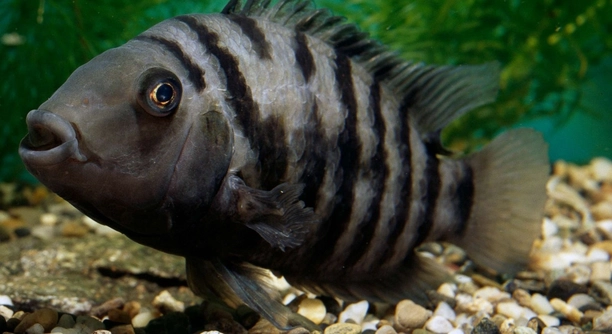
Keeping a cichlid tank clean can feel like a full-time job for many hobbyists. These fish produce a fair amount of waste, which makes maintaining water quality a constant challenge. Reducing tank maintenance can improve the overall experience of caring for these vibrant fish.
Reducing maintenance in a cichlid tank involves strategies such as optimizing filtration, managing feeding amounts, and incorporating tank plants. Proper tank setup and regular partial water changes also play key roles in minimizing cleaning frequency and maintaining water quality.
Implementing these practical methods can save time and effort, allowing more enjoyment of your aquarium and healthier conditions for your fish. The following tips offer clear ways to make tank care easier and more efficient.
Choose the Right Filtration System
Choosing an effective filtration system is essential for reducing maintenance in a cichlid tank. A good filter will remove waste and debris continuously, keeping the water cleaner for longer periods. Canister filters or sump systems are often recommended because they provide strong mechanical, chemical, and biological filtration. Proper filtration reduces the buildup of harmful substances that require frequent water changes. It also supports the beneficial bacteria that help break down fish waste naturally. When selecting a filter, consider the tank size and the bioload from your cichlids. Over-filtering slightly is better than under-filtering, as it improves water quality without stressing the fish. Regular filter media cleaning and replacement will keep the system efficient. Investing time in choosing and maintaining the right filtration will cut down on overall tank upkeep and support a healthier environment for your cichlids.
Using a filtration system that matches your tank size and fish load reduces water changes and keeps your tank healthier.
Proper filtration lowers toxins and keeps water clear, which helps your cichlids thrive and decreases how often you need to clean the tank.
Feed Moderately and Carefully
Overfeeding is a common cause of excessive waste in cichlid tanks. Feeding too much food can quickly foul the water and increase maintenance needs. It is better to feed small amounts that the fish can eat within a few minutes. Removing leftover food helps prevent decay and water quality issues. Feeding a balanced diet also supports fish health and reduces waste production. Avoid feeding high-fat or excessive protein foods that can increase waste. Using sinking pellets or flakes designed for cichlids can minimize uneaten food. Regular observation of feeding habits allows adjustments based on fish appetite. Moderation in feeding ensures that the tank stays cleaner longer and reduces the risk of disease from poor water conditions.
A controlled feeding routine limits waste buildup and helps maintain clearer water in your tank.
Keeping feeding portions small and consistent helps manage water quality and supports the health of your cichlids over time.
Incorporate Live Plants
Live plants help absorb excess nutrients, which reduces algae growth and waste buildup in the tank. They improve water quality naturally and add oxygen for the fish.
Plants like Anubias, Java fern, and Vallisneria are sturdy and work well with cichlids. They don’t require much light and can survive in varied water conditions. Adding live plants creates a more balanced environment by competing with algae for nutrients. This lowers the frequency of cleaning and water changes. However, be mindful that some cichlids may uproot or nibble on plants, so choosing hardy species is important. Regular trimming of plants also keeps the tank tidy and promotes healthy growth.
Adding plants not only reduces maintenance but also enhances the tank’s appearance. It creates a natural habitat that supports fish health. Plants provide hiding spots for shy cichlids, which can reduce stress and improve their well-being. Using live plants can transform your tank into a low-maintenance and more enjoyable setup.
Perform Partial Water Changes Regularly
Regular partial water changes help maintain water quality by removing dissolved waste and toxins without stressing fish. Changing 20-30% of the water weekly or biweekly is recommended to keep conditions stable. Using a gravel vacuum during water changes also removes uneaten food and debris from the substrate. Partial water changes prevent the buildup of nitrates and other harmful chemicals that filtration alone cannot remove. This practice supports a cleaner, healthier environment and reduces the risk of disease. Consistency is key; irregular water changes lead to sudden shifts in water parameters that can stress cichlids. Clean water encourages better fish activity and coloration, making maintenance more manageable overall.
Use Substrate That Is Easy to Clean
Choosing the right substrate helps keep the tank cleaner. Fine sand or smooth gravel is easier to vacuum and traps less debris than rough or porous materials.
Avoid substrates that trap waste deeply, as they can cause toxins to build up. Simple substrates reduce the time needed for cleaning and improve water circulation near the tank bottom.
Keep Stocking Levels Moderate
Overcrowding leads to more waste, increasing maintenance needs. Keeping the number of cichlids within the tank’s capacity helps maintain water quality and reduces stress on the fish.
Balanced stocking allows filtration and plants to work effectively without being overwhelmed. Moderate stocking leads to a healthier environment with less frequent cleaning required.
Maintain Proper Water Parameters
Stable water parameters reduce stress and disease in cichlids. Regular testing of pH, hardness, and ammonia levels helps detect problems early and keeps fish healthy.
Proper water conditions prevent sudden spikes in toxins and ensure that biological filtration functions efficiently. Consistent parameters minimize tank maintenance by reducing algae and waste buildup.
Clean Decorations and Equipment Regularly
Cleaning decorations and equipment prevents algae and waste buildup. Simple wiping and rinsing during water changes keep the tank visually appealing and healthier for fish.
FAQ
How often should I clean my cichlid tank?
Cleaning frequency depends on tank size, filtration, and stocking levels. Generally, partial water changes of 20-30% weekly or biweekly keep the tank healthy. Cleaning the substrate and decorations once a month helps remove buildup. Avoid deep cleaning too often, as it can disrupt beneficial bacteria and stress the fish. Monitoring water parameters regularly is key to deciding when extra cleaning is necessary.
What type of filter is best for a cichlid tank?
Canister filters and sump systems are often best because they provide strong mechanical, chemical, and biological filtration. These filters handle the heavy waste load cichlids produce. Hang-on-back filters can work in smaller tanks but may require more frequent maintenance. Ensure your filter matches the tank size and bioload for optimal results.
Can live plants survive with cichlids?
Yes, but choose hardy species like Anubias, Java fern, and Vallisneria. Some cichlids may uproot or nibble plants, so avoid delicate types. Plants improve water quality by absorbing nutrients and reducing algae growth. Regular trimming helps maintain a tidy environment and promotes healthy plant growth.
How much should I feed my cichlids?
Feed only what your cichlids can eat in 2-3 minutes, once or twice a day. Overfeeding leads to waste buildup and poor water quality. Use sinking pellets or flakes formulated for cichlids to minimize uneaten food. Adjust feeding amounts based on fish appetite and activity.
Is it necessary to clean the filter media?
Yes, but do it carefully to preserve beneficial bacteria. Rinse filter media gently in tank water during water changes instead of tap water to avoid killing bacteria. Replace media only when it is worn out or too clogged. Proper maintenance keeps filtration efficient and supports a stable tank environment.
What substrate is easiest to maintain in a cichlid tank?
Fine sand or smooth gravel is easiest to clean because it traps less debris. Avoid porous or rough substrates that can hold waste deep, causing toxin buildup. Using a gravel vacuum during water changes helps keep the substrate clean and prevents harmful buildup.
How do I prevent algae growth?
Control algae by limiting excess nutrients through moderate feeding and regular water changes. Live plants compete with algae for nutrients and reduce its growth. Proper lighting duration (6-8 hours per day) and quality also limit algae. Cleaning decorations and tank walls regularly helps keep algae under control.
Why is partial water change important?
Partial water changes remove dissolved waste and toxins that filtration can’t handle alone. They help maintain stable water parameters and prevent nitrate buildup, which stresses fish. Changing 20-30% of the water regularly keeps the environment healthy and reduces disease risks.
Can overcrowding affect maintenance?
Yes, too many fish produce more waste, making it harder to maintain water quality. Overcrowding stresses fish, increases disease risks, and requires more frequent cleaning. Keeping stocking levels appropriate for the tank size reduces maintenance and improves fish health.
What are signs that my tank needs more cleaning?
Cloudy water, strong odors, algae overgrowth, and visible waste on the substrate indicate a need for cleaning. Fish behavior changes, like gasping or lethargy, can signal poor water quality. Regular testing of ammonia, nitrite, and nitrate levels helps detect problems before they worsen.
How often should I test water parameters?
Test water weekly or before and after water changes. Monitoring pH, ammonia, nitrite, and nitrate ensures stable conditions. Frequent testing helps catch imbalances early and prevents fish stress or illness. Consistency in testing supports better maintenance decisions.
Can I reduce maintenance by limiting decorations?
Yes, fewer decorations mean fewer places for waste and algae to accumulate. Simple setups with easy-to-clean decorations reduce cleaning time. Choose smooth surfaces and avoid porous materials that trap debris. Regular cleaning of decorations prevents buildup and keeps the tank looking clean.
Is it okay to clean the tank glass often?
Yes, cleaning glass regularly removes algae and improves visibility. Use an algae scraper or magnetic cleaner to avoid scratching. Keeping glass clean contributes to overall tank appearance and makes maintenance easier.
What should I do if water parameters fluctuate?
Gradually stabilize water conditions by adjusting water changes, feeding, and filtration. Avoid sudden large water changes that can stress fish. Check for equipment issues or overcrowding. Consistency in maintenance routines prevents fluctuations and supports healthy fish.
Are water conditioners necessary?
Water conditioners remove chlorine, chloramine, and heavy metals from tap water, making it safe for fish. Using conditioners during water changes protects beneficial bacteria and fish health. They are essential for maintaining a healthy cichlid tank.
How can I make maintenance easier over time?
Set a regular schedule for water changes, feeding, and equipment checks. Choose efficient filters and easy-to-clean substrates. Adding live plants reduces waste buildup. Over time, a balanced setup will require less frequent, less intense cleaning, making tank care more enjoyable.
Maintaining a cichlid tank can seem like a lot of work, but with the right approach, it becomes more manageable. The key is to create an environment that naturally supports clean water and healthy fish. Using a good filtration system, feeding your cichlids properly, and adding live plants are simple ways to reduce the effort needed for maintenance. These steps help keep waste levels low and water conditions stable, which means less frequent cleaning and fewer water changes. Over time, these habits will make caring for your tank feel easier and more rewarding.
Regular water changes are still important, even with good filtration and plants. Changing 20 to 30 percent of the water weekly or every other week helps remove waste that builds up over time. It also keeps the water fresh and prevents harmful chemicals like nitrates from reaching dangerous levels. Using a gravel vacuum during water changes helps clean the substrate, which traps leftover food and fish waste. Consistency in these tasks is essential. Skipping water changes or cleaning too often can stress the fish and disrupt the balance in the tank.
Choosing the right setup and maintaining it with care can save time and reduce stress in the long run. Keeping the tank at a reasonable fish population, selecting substrates that are easy to clean, and cleaning decorations regularly all contribute to a healthier tank with less hassle. Testing water parameters frequently helps catch problems early before they affect your fish. Overall, paying attention to these simple details will help your cichlids thrive and allow you to enjoy your aquarium more without feeling overwhelmed by maintenance.

Hello,
If you enjoy the content that we create, please consider saying a "Thank You!" by leaving a tip.
Every little bit helps us continue crafting quality advice that supports the health, happiness, and well-being of pets around the world, for pets of all shapes, sizes, and species.
We really appreciate the kindness and support that you show us!