
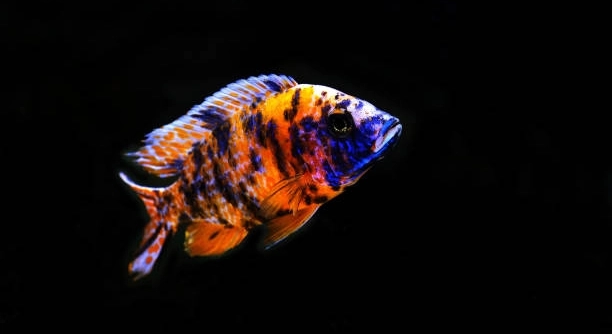
Keeping a cichlid tank clean and healthy requires regular attention. Weekly care helps maintain water quality and supports the well-being of your fish. Consistent maintenance prevents common problems and promotes a balanced aquatic environment.
The seven best practices for weekly cichlid tank care include testing water parameters, performing partial water changes, cleaning the substrate, checking equipment, removing algae, monitoring fish health, and maintaining proper feeding routines. These steps collectively ensure a stable and healthy tank.
Following these practices will improve the longevity and vibrancy of your cichlids. The guidance provided will help you create a thriving aquatic space for your fish.
Testing Water Parameters Regularly
Testing your cichlid tank water every week is essential for keeping the environment stable. Key parameters to check include pH, ammonia, nitrite, and nitrate levels. These indicators help you spot issues early before they affect your fish’s health. You can use simple test kits available at pet stores. Accurate readings allow you to adjust conditions as needed, such as adding water treatments or performing water changes. Regular testing also helps you understand your tank’s natural fluctuations and plan maintenance accordingly. Neglecting this step can lead to toxic buildup or imbalanced water chemistry, which harms your cichlids. Consistency in monitoring water quality is the foundation for a thriving tank.
Maintaining stable water parameters reduces stress and disease risk for your cichlids, supporting their natural behavior and growth.
Keeping a close eye on water quality helps you maintain a safe and healthy environment. This prevents unexpected problems and gives your fish the best chance to thrive. Establish a routine for testing, and make adjustments based on the results to keep the tank conditions ideal.
Performing Partial Water Changes
Partial water changes are vital for removing toxins and refreshing the tank environment. Changing 20-25% of the water weekly helps reduce nitrate buildup and keeps the water clean without stressing the fish. Use a siphon or gravel vacuum to remove debris and uneaten food from the substrate during this process. Avoid changing too much water at once, as sudden shifts can harm the fish. It is also important to treat tap water with a conditioner to remove chlorine and other harmful chemicals before adding it back to the tank. Water changes support the beneficial bacteria in your filter and keep the ecosystem balanced. Regular partial water changes are one of the easiest ways to maintain water quality.
Skipping water changes can lead to poor water conditions that weaken fish health and increase the chance of disease.
Consistent partial water changes prevent harmful buildup and promote a stable habitat for your cichlids. They support biological filtration and help maintain clear, fresh water. This simple weekly task plays a major role in the overall care routine.
Cleaning the Substrate
Removing waste and debris from the substrate is important to prevent harmful buildup. Use a gravel vacuum to clean the bottom without disturbing the beneficial bacteria. This helps keep the tank environment safe and supports water quality.
Regular substrate cleaning removes leftover food and fish waste that can pollute the water. A clean substrate reduces toxins like ammonia and nitrate, which affect fish health. Avoid stirring up too much debris at once, as this can cloud the water and stress the fish. Focus on small sections each week to maintain cleanliness without disrupting the tank’s balance. This method keeps the habitat healthy and prevents long-term issues related to poor water conditions.
A clean substrate also improves the tank’s appearance and promotes better oxygen flow. Taking time to vacuum regularly helps the entire ecosystem stay stable and comfortable for your cichlids.
Checking Equipment Functionality
Ensuring all tank equipment is working properly prevents sudden problems. Regularly inspect filters, heaters, and air pumps for signs of wear or malfunction. Replace or repair any faulty parts immediately to maintain a healthy environment.
Filters play a key role in maintaining water quality by removing debris and toxins. Clean or replace filter media as needed to keep them effective. Heaters must provide consistent temperatures, as fluctuations can stress your fish. Check that the thermometer matches the heater’s setting and adjust if necessary. Air pumps improve oxygen levels and circulation, essential for fish health. Equipment failures can cause rapid changes in tank conditions, risking fish well-being.
Routine equipment checks prevent emergencies and keep the tank environment stable. Taking a few minutes each week can avoid costly damage and keep your cichlids comfortable and safe.
Removing Algae Regularly
Algae can quickly take over a cichlid tank if not controlled. Remove it weekly to keep the tank clean and clear.
Use an algae scraper or magnetic cleaner to gently wipe tank walls. Remove algae from decorations and plants as well to maintain a healthy environment.
Monitoring Fish Health
Watch your cichlids closely for any signs of illness or unusual behavior. Early detection helps prevent serious health problems. Look for changes in appetite, swimming patterns, or appearance, and act quickly if you notice anything off.
Maintaining Proper Feeding Routines
Feed your cichlids a balanced diet and avoid overfeeding. Too much food can pollute the water and cause health issues. Stick to small portions that your fish can finish within a few minutes.
Removing Uneaten Food
Uneaten food breaks down and pollutes the water. Remove leftover food promptly after feeding to keep the tank clean and safe for your cichlids.
FAQ
How often should I test the water in my cichlid tank?
Water testing should be done weekly to catch any changes early. Monitoring pH, ammonia, nitrite, and nitrate levels helps you maintain stable conditions and prevents stress or illness in your fish.
What is the best way to perform a water change?
Perform a partial water change of about 20-25% weekly. Use a siphon to remove water and clean the substrate. Always treat new water with a conditioner to remove chlorine and harmful chemicals before adding it back.
How do I clean the substrate without harming beneficial bacteria?
Use a gravel vacuum to gently remove waste and debris from the substrate. Clean small sections each week rather than the entire tank to preserve beneficial bacteria colonies that help keep water healthy.
Why is algae growing so fast in my tank?
Excess light and nutrients can cause algae overgrowth. Reduce lighting time to 6-8 hours daily and avoid overfeeding. Regular algae removal and maintaining good water quality will keep algae under control.
How do I know if my cichlids are healthy?
Healthy cichlids have clear eyes, vibrant colors, and swim actively. Watch for changes in behavior, appetite, or appearance. Early signs of illness include lethargy, clamped fins, or spots on the body.
Can I feed my cichlids too much?
Yes, overfeeding leads to leftover food that pollutes the tank. Feed small portions that fish can finish within 2-3 minutes. Remove any uneaten food promptly to maintain water quality.
How often should I clean or replace filter media?
Clean filter media monthly by rinsing it in tank water to preserve beneficial bacteria. Replace media as recommended by the manufacturer, usually every few months, to keep filtration efficient.
What temperature is best for cichlid tanks?
Most cichlids thrive between 75°F and 82°F (24°C to 28°C). Use a reliable heater and thermometer to maintain consistent temperatures. Avoid sudden changes, which can stress fish.
Is it necessary to check all equipment weekly?
Yes, inspect filters, heaters, and air pumps weekly to ensure they work properly. Equipment failure can quickly harm your tank’s environment and fish health.
How important is removing uneaten food?
Very important. Uneaten food decomposes and raises toxin levels in the water. Removing it prevents ammonia spikes and keeps the tank clean.
What should I do if I notice sick fish?
Isolate sick fish if possible to prevent spreading illness. Check water quality and review feeding routines. Seek advice from a vet or aquarium specialist for treatment options.
Can I use tap water for water changes?
Yes, but always treat tap water with a conditioner to remove chlorine and chloramine. These chemicals are harmful to fish and beneficial bacteria.
How long should lighting be on in my cichlid tank?
Limit lighting to 6-8 hours per day. Too much light encourages algae growth and can disrupt fish behavior.
How do I prevent my tank from smelling bad?
Regular water changes, substrate cleaning, and removing uneaten food help prevent odors. Good filtration and maintaining healthy bacteria levels also reduce smells.
Is it okay to clean all parts of the tank at once?
Avoid cleaning everything at once. Cleaning small sections weekly preserves beneficial bacteria and reduces stress for fish.
What are common signs of stress in cichlids?
Signs include hiding, loss of appetite, rapid breathing, or unusual swimming patterns. Stress often results from poor water quality, improper temperature, or aggressive tank mates.
How often should I feed my cichlids?
Feed your cichlids once or twice daily with small portions. Consistent feeding times help maintain their health and prevent overfeeding.
Can different species of cichlids live together?
Some species are compatible, but many cichlids are territorial and aggressive. Research species compatibility before mixing fish to avoid conflicts.
What is the role of beneficial bacteria in the tank?
Beneficial bacteria break down harmful waste products like ammonia and nitrites into less harmful nitrates. They are crucial for maintaining a healthy and stable aquarium environment.
Should I remove plants during tank cleaning?
No, avoid disturbing live plants too much during cleaning. Plants contribute to oxygen levels and help absorb waste, improving water quality.
Final Thoughts
Maintaining a cichlid tank requires regular care and attention. Following weekly best practices helps create a healthy environment where your fish can thrive. Consistent monitoring of water parameters, partial water changes, and substrate cleaning are essential steps. These actions work together to keep water quality high and reduce the risk of problems like disease or stress. Taking the time to check equipment and remove algae also supports a stable and safe habitat for your cichlids.
Feeding routines play an important role in tank care. Offering the right amount of food prevents leftover waste from polluting the water. Overfeeding can quickly lead to poor water quality, which harms your fish. It’s important to feed small portions and remove uneaten food promptly. Watching your fish for signs of health issues ensures you can respond quickly if something seems wrong. A healthy diet combined with clean water and a balanced environment keeps cichlids active and colorful.
Caring for a cichlid tank may seem demanding, but it becomes easier with a routine. Weekly tasks like testing water, cleaning substrate, and checking equipment help maintain stability. These small efforts add up to a thriving aquarium that is enjoyable to watch. By following these practices, you provide your cichlids with a comfortable and safe home. Consistent care supports their well-being and allows you to enjoy their natural beauty for a long time.

Hello,
If you enjoy the content that we create, please consider saying a "Thank You!" by leaving a tip.
Every little bit helps us continue crafting quality advice that supports the health, happiness, and well-being of pets around the world, for pets of all shapes, sizes, and species.
We really appreciate the kindness and support that you show us!