
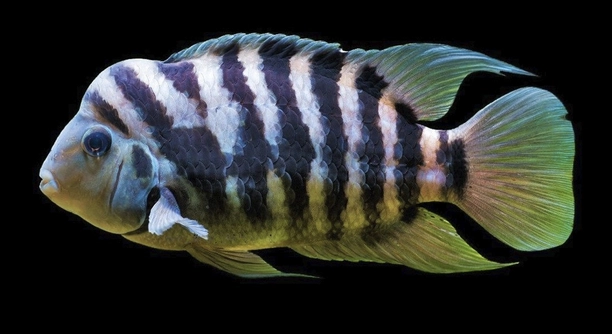
Cichlids are popular aquarium fish known for their bright colors and lively behavior. Watching their colors change can be interesting, but sometimes those changes indicate problems that need attention. Recognizing these signs early can help protect your fish.
Certain color changes in cichlids, such as darkening, pale patches, or unusual spots, often signal stress, illness, or poor water conditions. Identifying these changes promptly allows for timely intervention, preventing further health decline and ensuring the well-being of the fish.
Knowing the meaning behind these color changes will help you keep your cichlids healthy and happy in your aquarium. This article highlights key signs to watch for and what they mean.
Darkening of Colors
When a cichlid’s colors begin to darken, it often means the fish is stressed or uncomfortable. Stress can come from many sources, including poor water quality, aggressive tank mates, or sudden changes in the environment. Darkening might also be a sign of illness or parasites affecting the fish’s health. Sometimes, a cichlid will darken its colors during breeding, but if the change is sudden and stays for a long time, it’s usually a problem. Checking the water parameters like pH, ammonia, nitrites, and nitrates can help identify if the environment is causing stress. Ensuring the tank is clean and stable often helps reverse darkening.
Darkening colors are one of the earliest signs of distress in cichlids and should not be ignored.
Keeping a close eye on your fish’s behavior and tank conditions can prevent further issues. Acting quickly by testing water and adjusting conditions will improve their well-being.
Pale or Faded Colors
Pale colors on a cichlid generally indicate that the fish is not feeling well or is under stress. Stress can come from overcrowding, poor diet, or unsuitable water temperature. Illnesses like fungal or bacterial infections often cause colors to fade. Unlike darkening, fading colors usually suggest a weakened immune system or poor nutrition. Sometimes, cichlids lose color when they are hiding or feeling threatened.
It is important to observe the fish carefully and check for other signs such as lethargy, loss of appetite, or abnormal swimming patterns. Adjusting the environment by improving water quality, feeding high-quality food, and reducing stress factors often helps restore vibrant colors. In some cases, medication might be necessary to treat infections or parasites. Regular tank maintenance and a balanced diet are essential for keeping cichlids bright and healthy.
Spots and Patches
Spots or patches on a cichlid’s body can indicate different issues depending on their appearance. White spots often suggest ich, a common parasitic infection that requires treatment. Red patches can be a sign of bacterial infection or injury. Fuzzy or cotton-like growths usually point to fungal infections. These conditions arise from poor water quality or stress, weakening the fish’s natural defenses. Prompt diagnosis is crucial to prevent the disease from spreading to other fish in the tank.
If you notice spots or patches, isolating the affected fish and starting treatment quickly can help stop the infection. Maintaining clean water and reducing stress factors supports faster recovery.
Regular observation and good tank hygiene play important roles in preventing these skin problems. Addressing issues early increases the chance your cichlid will return to full health.
Erratic Color Changes
Erratic color changes in cichlids often reflect sudden stress or environmental shifts. These unpredictable shifts might mean the fish is reacting to something wrong in the tank.
Sudden color changes can be triggered by fluctuating water parameters like temperature or pH, which disrupt a fish’s balance. Aggressive behavior from other tank mates can also cause this stress response. When cichlids feel threatened or uncomfortable, their colors may flash or flicker unexpectedly. Keeping water stable and reducing aggression are key to minimizing these erratic changes.
Monitoring your tank conditions closely helps prevent sudden stress. Regular water tests and ensuring compatible fish species can keep your cichlid’s colors steady and healthy.
Black Edges on Fins
Black edges on fins can indicate poor water quality or the start of fin rot. This condition weakens the fins and can lead to more serious infections if not treated early.
Fin rot often develops from bacteria that thrive in dirty or poorly maintained tanks. Stress and injury make fins more vulnerable to infection. Observing black edges early allows for timely water changes and treatment with antibacterial medication. Improving water conditions by frequent changes and proper filtration supports fin healing. If untreated, the rot can cause fins to fray or fall apart, harming the fish’s mobility.
Maintaining a clean tank and watching for signs like black fin edges are essential steps in preventing fin rot and keeping your cichlid healthy.
Clamped Fins
Clamped fins occur when a cichlid holds its fins close to its body instead of spreading them out. This is usually a sign of stress or illness.
Common causes include poor water quality, sudden temperature changes, or parasites. Clamped fins should prompt immediate water testing and observation.
Loss of Color Intensity
When a cichlid’s colors lose their brightness, it often signals poor health or stress. Illness, inadequate diet, and suboptimal water conditions are common reasons for this change.
Addressing these factors by improving water quality, feeding nutritious food, and reducing stress helps restore vibrant colors.
Red Streaks or Lines
Red streaks or lines on a cichlid’s body or fins can indicate injury or infection. These signs require quick attention to prevent worsening.
If left untreated, infections can spread, causing serious health issues for your fish.
FAQ
What causes sudden color changes in cichlids?
Sudden color changes usually result from stress or changes in water quality. Factors such as temperature fluctuations, poor water parameters, aggressive tank mates, or illness can cause these shifts. Keeping a stable environment and monitoring water regularly helps prevent sudden color changes.
How can I tell if my cichlid is stressed or sick?
Signs of stress or illness include darkening or fading colors, clamped fins, erratic swimming, loss of appetite, and hiding more than usual. Checking water quality and observing behavior closely are key steps to detect problems early.
Are color changes always a sign of illness?
Not always. Some color changes are natural during breeding or mood shifts. However, persistent or sudden changes often indicate stress or health problems. Monitoring the context and other symptoms helps differentiate normal changes from concerning ones.
What should I do if my cichlid’s colors start to fade?
First, test your water for ammonia, nitrites, nitrates, and pH levels. Improve water quality with partial water changes if needed. Ensure your fish is eating a balanced diet and reduce any stress factors such as overcrowding or aggression.
Can poor diet cause color changes?
Yes. A lack of proper nutrients weakens a cichlid’s immune system and dulls its colors. Feeding high-quality food rich in vitamins and pigments supports vibrant coloration and overall health.
How often should I check my aquarium water?
Water testing should be done weekly for parameters like ammonia, nitrite, nitrate, and pH. Frequent checks help catch issues before they affect your fish’s health and color.
Is fin rot reversible?
Fin rot can be reversed if caught early. Improving water quality and using antibacterial treatments can stop its progression. If ignored, it can cause permanent fin damage and weaken the fish.
Can aggressive tank mates cause color changes?
Yes. Aggression leads to stress, causing colors to darken or fade. Separating aggressive fish or rearranging the tank to reduce conflicts helps maintain your cichlid’s bright colors.
How long does it take for a cichlid’s color to return after stress?
Recovery time varies depending on the cause and severity. With proper care and stable conditions, colors may improve within days to weeks. Patience and consistent tank maintenance are important.
Should I isolate a cichlid showing color changes?
If you suspect illness or severe stress, isolating the fish in a quarantine tank helps prevent spread and allows focused treatment. However, mild stress-related color changes might improve with tank adjustments without isolation.
Can water temperature impact cichlid colors?
Yes. Temperatures outside the ideal range stress fish and affect coloration. Maintaining a stable temperature suited to your cichlid species supports healthy colors and overall well-being.
What role does lighting play in cichlid coloration?
Proper lighting enhances natural colors and helps fish maintain their normal patterns. Too little or too much light can cause colors to dull or change, so balancing light intensity and duration is important.
Are some cichlid species more prone to color changes?
Certain species show more visible color shifts in response to stress or breeding. Knowing your cichlid’s typical behavior and coloration helps you spot unusual changes early.
Can parasites cause color changes?
Parasites like ich cause white spots and color fading due to irritation and stress. Early treatment with anti-parasitic medication is essential to restore healthy color.
How do I prevent color problems in my cichlids?
Maintaining clean water, a balanced diet, stable environment, and peaceful tank mates are the best ways to prevent color issues. Regular observation allows early detection of problems before they worsen.
Final thoughts on cichlid color changes are important to keep in mind if you want healthy fish. Color changes often signal underlying problems that need attention. By paying attention to your fish’s appearance, you can catch issues early and act before they become serious. Healthy cichlids usually have bright and consistent colors, so any fading, darkening, or spots should not be ignored. Observing your fish daily helps you notice even small changes that could point to stress or illness.
Maintaining a good aquarium environment is the key to preventing color problems. Regular water testing and changes keep harmful chemicals low and the water stable. Feeding a balanced diet with high-quality food supports your fish’s immune system and helps them show their best colors. Reducing stress by avoiding overcrowding and choosing compatible tank mates also plays a big role. Simple steps like these go a long way in keeping your cichlids vibrant and healthy. When you spot color changes, acting quickly with water adjustments or treatment improves your fish’s chances of recovery.
Remember that not all color changes mean something is wrong. Some shifts happen naturally, such as during breeding or mood changes. However, consistent or sudden changes should always be taken seriously. Learning to understand your cichlids’ normal behavior and colors allows you to recognize when something is off. Keeping a close watch, providing proper care, and addressing any problems early will help your fish live longer and look their best. Paying attention to color changes is a helpful way to care for your aquarium and enjoy your cichlids for years to come.

Hello,
If you enjoy the content that we create, please consider saying a "Thank You!" by leaving a tip.
Every little bit helps us continue crafting quality advice that supports the health, happiness, and well-being of pets around the world, for pets of all shapes, sizes, and species.
We really appreciate the kindness and support that you show us!