
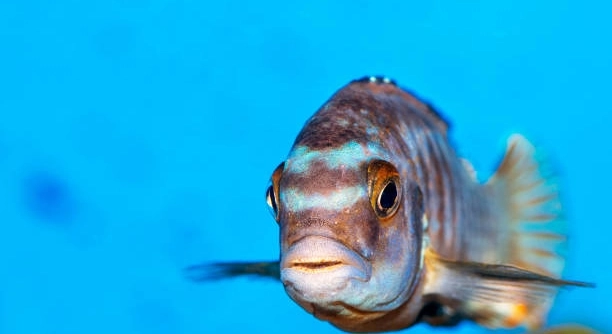
Have you ever noticed your cichlid staying still at the bottom of the tank, barely moving, and wondered what it means?
Cichlids may refuse to move due to stress, illness, poor water conditions, or changes in their environment. These factors can cause them to become inactive as a response to discomfort or confusion, signaling that something may be wrong.
Recognizing these signs early can help you respond quickly and improve your cichlid’s well-being and comfort in its aquatic space.
Common Reasons Cichlids Stop Moving
Cichlids may become inactive due to stress caused by sudden environmental changes, such as temperature shifts, poor water quality, or aggressive tank mates. Ammonia or nitrite spikes can affect their health quickly, making them lethargic. They might also stop moving if they’re sick, especially with internal parasites or infections that aren’t immediately visible. Stress during transport or after rearranging tank decor can also trigger this behavior. Cichlids are sensitive to disruptions in their surroundings, and even a minor issue can lead to stillness. When they feel uncomfortable, hiding or staying motionless is their way of protecting themselves.
A newly introduced cichlid may also stay still while adjusting to its environment, especially in the presence of dominant fish.
If the behavior continues, testing water parameters should be your first step. A drop in water quality affects oxygen levels, pH balance, and overall comfort. These elements can lead to inactivity or even illness.
How to Respond When Your Cichlid Stops Moving
Start by testing the water conditions, including pH, ammonia, nitrites, and nitrates. These levels should always stay within the safe range.
If all water parameters are fine, observe your cichlid closely for signs of disease, such as faded colors, clamped fins, or unusual spots. Consider separating it in a hospital tank to reduce stress from tank mates. Reduce feeding temporarily, especially if the fish is not eating, and ensure the tank is quiet and stable. Limit light exposure for a short time to help them settle. Sometimes, adding stress-reducing products or performing a partial water change helps. If symptoms of illness continue or worsen, medication may be needed. However, always confirm the problem before treating. Use caution with over-the-counter treatments, as they may cause more harm than good if misused. Monitoring regularly and acting early helps prevent serious health issues and supports a calmer, healthier fish.
Preventing Inactivity in Your Cichlid
The key to keeping your cichlid active is providing a stable, clean environment with consistent water quality, low stress, and enough space. Avoid sudden changes and monitor tank mates closely for signs of aggression or bullying.
Maintain a regular cleaning schedule to keep ammonia, nitrite, and nitrate levels in check. Use a reliable water testing kit weekly and do partial water changes as needed. Ensure the temperature stays stable, ideally between 75°F and 82°F, depending on the species. Add hiding spots using rocks or plants to help your cichlid feel secure. Avoid overcrowding the tank, as space is essential for healthy behavior. Use a filter that suits the tank size, and make sure it provides gentle water flow to avoid overwhelming smaller or weaker fish. A well-balanced environment supports movement, reduces anxiety, and lowers the risk of illness or inactivity.
Feeding quality food also helps. Choose species-appropriate pellets and occasional treats like frozen brine shrimp or bloodworms to support overall health. Feed in small portions and avoid overfeeding, as uneaten food pollutes the water. Vary their diet slightly each week to keep things interesting. Watch how your cichlid reacts during feeding time—it’s a good way to notice if something feels off. Regular movement, interest in food, and alert behavior are all positive signs. A healthy, engaged cichlid is usually active and responsive to what’s happening around them.
Understanding Behavior Changes
Inactivity isn’t always a problem—it can also be natural, especially during nighttime or after a stressful event. Some cichlids are more reserved, while others need more time to adjust after tank changes.
Watch for patterns. If your cichlid tends to rest after feeding or stays still when lights go out, this is likely normal. However, if it remains still for most of the day or avoids interaction, something may be wrong. Environmental consistency plays a big role. Try to keep noise, temperature, and lighting steady. Sudden shifts can throw your fish off balance. Track their usual behavior so you can spot changes early. If your cichlid used to swim freely and suddenly hides or rests for hours, that’s worth investigating. Don’t wait too long—catching problems early makes a big difference.
Signs Your Cichlid May Be Unwell
If your cichlid stays still for long periods, stops eating, or breathes heavily near the surface, these may signal illness. Watch for faded color, clamped fins, or white spots—each one can point to a different health issue needing attention.
Erratic swimming, rubbing against objects, or sudden hiding are also signs something’s wrong. Even subtle behavior changes shouldn’t be ignored. Illness often starts small, and early treatment is easier and more effective. Always observe your cichlid daily to catch these signs before they progress.
When to Seek Help from a Specialist
If your cichlid shows no improvement after water changes and basic care adjustments, it may be time to consult a specialist. Long-lasting symptoms, such as constant inactivity, weight loss, or visible infections, often need professional guidance. A fish veterinarian can examine your cichlid, recommend lab tests, and provide proper medication. Avoid guessing and treating blindly, as the wrong products can worsen the problem or affect other fish in the tank. Expert help can identify the exact issue and guide you with safe treatment. Acting quickly improves the chances of recovery and helps protect the rest of your aquarium.
Don’t Ignore Long Pauses
Long stillness should never be brushed off as normal if it becomes frequent or lasts too long. Observing your fish closely helps prevent small issues from becoming serious.
FAQ
Why does my cichlid stay still at the bottom of the tank?
Your cichlid might stay still at the bottom due to stress, poor water quality, or illness. It is a natural way for fish to conserve energy when they feel unsafe or uncomfortable. Check water conditions and look for signs of disease to address the problem early.
Is it normal for cichlids to be inactive sometimes?
Yes, cichlids can be inactive during nighttime or after a stressful event. Some species are naturally less active, and resting is part of their normal behavior. However, prolonged inactivity during daylight hours could indicate an issue.
How can I tell if my cichlid is sick?
Look for symptoms like loss of appetite, faded colors, clamped fins, white spots, heavy breathing, or unusual swimming patterns. Early detection is key, so observe your fish daily and respond quickly if you notice these signs.
What should I do if my cichlid refuses to eat?
Refusal to eat often signals stress or illness. Test your water quality and keep the environment stable. Offer a variety of high-quality foods and avoid overfeeding. If the fish still won’t eat after a couple of days, consider isolating it and consulting a specialist.
Can tank mates cause my cichlid to stop moving?
Aggressive or dominant tank mates can stress your cichlid, causing it to hide or stay still. Monitor interactions carefully. If bullying occurs, separate the fish or rearrange the tank to create safe spaces and reduce stress.
Does water temperature affect cichlid activity?
Yes, temperature changes can slow down or speed up your cichlid’s metabolism. Too cold or too hot water causes discomfort and inactivity. Keep the temperature stable within the ideal range for your cichlid species, usually between 75°F and 82°F.
How often should I test my aquarium water?
Test water parameters at least once a week. Ammonia, nitrite, nitrate, and pH levels are crucial to monitor. Frequent testing helps catch problems early, keeping your cichlid healthy and active.
What is the best way to treat a sick cichlid?
First, identify the problem through observation and water testing. Then, choose treatments based on symptoms and diagnosis. Always follow product instructions carefully. If unsure, seek advice from a fish veterinarian or experienced aquarist to avoid harming your fish.
Is hiding behavior a sign of illness?
Not always. Cichlids hide naturally when they feel threatened or need rest. However, constant hiding or avoiding food may signal stress or sickness. Pay attention to other symptoms and environmental factors to decide if intervention is needed.
Can poor diet cause inactivity in cichlids?
Yes, a poor or unbalanced diet can weaken your cichlid and reduce its activity. Feeding a variety of quality foods helps maintain health and energy. Avoid overfeeding, which can pollute water and harm your fish.
How much space does a cichlid need to stay active?
Cichlids need enough room to swim and establish territories. Overcrowding leads to stress, aggression, and inactivity. Follow recommended tank size guidelines for your species and avoid packing too many fish in one tank.
What role does lighting play in cichlid movement?
Lighting affects your cichlid’s daily rhythm. Too much light can cause stress, while too little can make fish inactive. A consistent light cycle, usually 8 to 12 hours a day, helps maintain healthy behavior.
Should I isolate a cichlid that stops moving?
Isolation can reduce stress and prevent the spread of disease if you suspect illness. Use a hospital tank to observe and treat the fish without interference. Make sure the isolated environment mimics its main tank conditions closely.
How do I know if my cichlid is stressed?
Signs include rapid breathing, hiding, loss of appetite, and lethargy. Stress results from poor water conditions, aggressive tank mates, or sudden changes. Identifying and fixing the cause improves your fish’s activity and health.
Can water changes help inactive cichlids?
Regular water changes improve water quality, which can boost your cichlid’s activity. Change 20-30% of the tank water weekly, using dechlorinated water at the correct temperature. Avoid drastic changes that might add stress.
Are there specific illnesses that cause inactivity in cichlids?
Yes, illnesses like ich, fin rot, internal parasites, and bacterial infections often cause lethargy. Each has distinct symptoms, so careful observation and sometimes veterinary help are needed for proper treatment.
How important is tank decoration for cichlid activity?
Decorations like rocks, caves, and plants provide hiding spots and reduce stress, encouraging natural movement. Lack of shelter can make cichlids feel exposed and inactive. Arrange the tank to offer both open swimming areas and secure retreats.
What can I do if my cichlid refuses to move after a tank change?
Give your cichlid time to adjust, keeping water parameters stable and minimizing disturbances. Provide hiding places and limit feeding for a short period. If inactivity persists, check for illness or water quality issues.
Does age affect cichlid activity levels?
Older cichlids tend to be less active, similar to many animals. However, sudden inactivity or changes in behavior at any age should be checked for health problems.
Is it normal for cichlids to rest on the bottom?
Resting on the bottom occasionally is normal, especially at night or during rest periods. Prolonged or frequent bottom resting, especially if combined with other symptoms, may indicate health concerns needing attention.
Cichlids sometimes refuse to move for several reasons, including stress, illness, or poor water conditions. These fish are sensitive to changes in their environment, and inactivity can be a sign that something is not right. It’s important to pay attention to their behavior and surroundings to ensure they stay healthy. Regularly checking water quality and maintaining a stable tank environment can prevent many issues that cause your cichlid to stop moving. Keeping the tank clean, providing proper food, and avoiding overcrowding helps create a comfortable space for your fish.
When your cichlid stops moving, it’s a signal that should not be ignored. While occasional rest is normal, extended inactivity may mean the fish is stressed or sick. Observing your fish daily and knowing its usual behavior will help you spot any changes early. Acting quickly by testing water, improving tank conditions, or seeking expert advice can make a big difference. Sometimes small adjustments, like lowering the tank’s light or separating aggressive tank mates, help your cichlid regain confidence and activity. It’s also helpful to offer a balanced diet and avoid sudden changes in the tank setup.
Understanding why your cichlid refuses to move takes patience and careful observation. There isn’t always one single cause, but by maintaining good water quality, managing stress factors, and watching for illness signs, you can support your cichlid’s well-being. Remember that fish, like any pet, rely on their environment and care to thrive. Keeping a close eye on their behavior and environment will help you catch problems early and create a healthy home for your cichlid to be active and lively.

Hello,
If you enjoy the content that we create, please consider saying a "Thank You!" by leaving a tip.
Every little bit helps us continue crafting quality advice that supports the health, happiness, and well-being of pets around the world, for pets of all shapes, sizes, and species.
We really appreciate the kindness and support that you show us!