
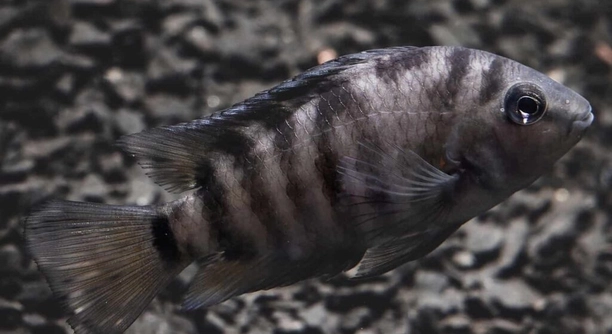
Have you ever noticed your cichlids locking lips and twirling in circles, leaving you unsure whether it’s play, love, or something more serious?
Lip-locking and spinning in cichlids is primarily a display of aggression and territorial dominance. This behavior is common during mating periods or when two fish are establishing hierarchy. It helps determine social ranking without causing immediate harm.
This behavior may seem intense, but it plays a key role in their natural interactions and overall social structure within the tank.
Why Cichlids Lock Lips and Spin
Lip-locking and spinning is a form of combat between cichlids, often seen when two males are sizing each other up for dominance. This behavior usually starts when one fish invades the personal space of another. Locking jaws becomes a direct way of testing strength and control without immediately resorting to injury. While it may look like a kiss, it’s actually a warning and a contest. This helps determine who gets the better territory or access to a mate. Spinning adds intensity to the standoff, showing each fish’s endurance and resistance. It’s a natural expression of their instinct to survive and maintain order within their group. In some species, even females might engage in this behavior when competing for resources.
Lip-locking doesn’t always lead to harm, but it should still be watched. If the fights last too long or occur too often, injuries may happen.
This aggressive behavior is often triggered by breeding conditions, space limitations, or competition for food. Monitoring your tank setup can reduce these interactions and promote a more peaceful balance among your fish.
When to Worry About the Behavior
If your cichlids are locking lips every day or for long periods, it could be a sign of an ongoing issue.
Frequent fighting may be linked to an unbalanced tank environment. Overcrowding is a common factor that increases stress levels, making fish more likely to fight for space. Mismatched species or too many males in one tank can also raise aggression. Lack of hiding spots or uneven access to food leads to more confrontations. When this behavior happens repeatedly, injuries like torn fins or mouth damage can occur. If you notice one fish is constantly targeting another, it may be time to separate them or rearrange the tank to minimize tension. Watching how your fish interact will help you catch any changes early. You don’t need to eliminate natural behavior, but you can control how often and how intensely it appears. Adjusting lighting, adding more décor, and offering plenty of food can help calm things down.
How Environment Affects Lip-Locking
Tank conditions have a strong influence on aggressive behaviors like lip-locking. A poorly arranged space can increase stress and territorial fights. Fish need room to swim, places to hide, and consistent water quality to stay calm and balanced in their interactions.
When cichlids feel confined or exposed, they become defensive and aggressive. Small tanks or tanks without hiding spots make them more likely to lock lips to assert dominance. Water quality also matters—unstable temperatures or pH levels create discomfort, which adds to tension. Creating a structured space with rocks, plants, and caves helps break lines of sight and gives fish room to claim their own territory. Even a simple rearrangement of tank décor can calm conflicts. A larger tank allows each fish to find its own space without feeling threatened. Clean water, steady temperatures, and good filtration reduce stress and support healthy behavior among all tank mates.
Lighting also plays a part in cichlid behavior. Harsh lighting can increase aggression, while softer lighting encourages more relaxed movement. Strong light without any cover makes fish feel vulnerable, especially in tanks lacking decorations or plants. Gradual lighting changes and shaded areas help maintain a peaceful tank environment. Combining proper lighting with environmental structure leads to a more stable and calm group of cichlids.
The Role of Gender and Species
Gender plays a key role in lip-locking behavior. Males tend to display it more, especially during breeding seasons or when defending territory. Some female cichlids will also engage, but usually less frequently and with lower intensity.
Species differences are important to understand when keeping multiple cichlids together. Some species are naturally more aggressive and territorial, making them more likely to engage in frequent lip-locking. Others are more passive, especially when provided with enough space and hiding spots. African cichlids, like those from Lake Malawi, are known for their vibrant colors and bold behavior—making them more likely to lock lips during disputes. South American cichlids, depending on the type, may be slightly less aggressive but can still show similar behaviors. Mixing aggressive and passive species often leads to conflict. Knowing the traits of each species helps in setting up a peaceful tank. A balanced combination of gender, space, and compatible fish types prevents tension from turning into constant fighting.
Signs the Behavior Is Getting Serious
Frequent lip-locking that lasts for long periods can lead to injuries. Watch for signs like torn fins, bruising around the mouth, or one fish hiding constantly. These are early indicators that the behavior is becoming harmful.
Changes in appetite or a sudden drop in activity are also signs of stress. If a fish begins avoiding others or becomes more aggressive than usual, the problem may be escalating. Quick action can help prevent serious harm and protect your tank’s balance.
What to Do If It Becomes a Problem
If lip-locking becomes frequent or intense, consider separating the aggressive fish. Use a divider or transfer one to another tank. Rearranging the tank décor can also reduce territorial claims and reset behavior patterns. Adding more hiding spots or increasing the tank size may ease the tension. Feeding all fish in different areas at the same time helps minimize food-related conflict. Check water conditions and make sure they are stable and within the correct range. Avoid overcrowding by keeping the fish-to-space ratio balanced. In some cases, it may be necessary to rehome a fish that continues to cause issues despite adjustments.
Final Note on Observation
Consistent observation helps catch problems early. Paying attention to patterns makes it easier to respond before the behavior gets worse.
FAQ
Is lip-locking always a sign of aggression?
Lip-locking is most often a sign of aggression or dominance, especially between two males. It’s a way for cichlids to challenge each other without immediately causing harm. However, not every case is serious. Some brief lip-locking is part of natural behavior, especially during breeding season. If it happens occasionally and doesn’t result in injuries or changes in behavior, there’s usually no reason to worry. Watch closely to make sure things don’t escalate.
Can female cichlids also lock lips?
Yes, female cichlids can engage in lip-locking, although it’s less common. When it does happen, it’s usually linked to establishing social order or defending a spot in the tank. Females can be territorial, especially if they’re guarding eggs or fry. While their fights are usually less intense than those between males, they still deserve attention. Any fish, regardless of gender, may show aggression if stressed or threatened.
Do cichlids hurt each other when they lock lips?
If the lip-locking lasts too long or happens too often, it can lead to physical damage. Mouth injuries, torn fins, and missing scales are common results of prolonged fighting. In serious cases, one fish may become dominant and bully the other, leading to long-term stress or illness. Watching for signs of injury and separating aggressive fish early helps avoid lasting harm.
Is lip-locking related to mating behavior?
Yes, in some species, lip-locking can happen during courtship or while establishing pair bonds. It might look like fighting, but it’s actually part of the mating process. Still, it’s easy to confuse mating behavior with aggression. The difference is often in how long it lasts and whether the fish seem distressed. Pair bonding usually ends with the fish swimming calmly together or guarding a spot. If the behavior turns violent, it’s more likely a territorial dispute.
How can I reduce lip-locking in my tank?
Start by evaluating your tank setup. Make sure there’s enough space for each fish to claim its own territory. Adding rocks, plants, and caves helps break lines of sight and reduce tension. Use soft lighting to prevent stress. Avoid overcrowding and make sure each fish gets enough food. Check water quality often—poor conditions lead to discomfort and increase the chances of conflict. If the behavior doesn’t improve, consider separating the aggressive fish or rearranging the tank to reset territorial boundaries.
Are some cichlid species more aggressive than others?
Absolutely. African cichlids, especially those from Lake Malawi and Lake Tanganyika, tend to be more territorial and aggressive. They’re more likely to show lip-locking, especially when grouped with other bold species. South American cichlids, like angelfish and discus, are usually less confrontational. That said, individual personalities and tank conditions also matter. Two fish of the same species may behave very differently depending on space, lighting, and tank mates.
Is it okay to let them work it out?
In mild cases, yes. Cichlids often sort out their social order with small displays of dominance, including lip-locking. If it ends quickly and doesn’t lead to injury or stress, it’s part of their normal behavior. But constant fighting, hiding, or visible damage means you should step in. Leaving things unchecked can harm both the aggressor and the target.
Should I remove one fish permanently?
Only if all other solutions fail. Try rearranging the tank, adding space, or moving decorations first. If one fish continues to disrupt the peace despite these changes, it may be best to rehome it. Keeping a healthy tank sometimes means making hard choices to protect the rest of your fish.
Final Thoughts
Cichlids are active and social fish, but their strong personalities can sometimes lead to tension in the tank. Lip-locking and spinning are normal behaviors, often used to show dominance, defend territory, or even communicate during mating. These actions may look intense, but they are a natural part of how cichlids interact with each other. Watching them closely helps you understand their social structure and makes it easier to spot when something isn’t right. Not all lip-locking is harmful, so it’s important to look at the bigger picture—how often it happens, how long it lasts, and whether it leads to injury or stress.
Tank conditions play a major role in how often these behaviors occur. A crowded or unbalanced tank will likely cause more fighting. Giving each fish space, hiding spots, and stable water conditions helps reduce stress and prevent frequent lip-locking. Tank design should allow every fish to have a spot of its own. Simple changes like adding rocks, spreading out food, or softening the lighting can improve overall behavior. Also, choosing the right mix of species and keeping aggressive ones separate from calmer types makes a big difference. When your tank setup meets the needs of your fish, you’ll see fewer conflicts and healthier cichlids overall.
There’s no need to panic if your cichlids lock lips now and then. The key is to stay observant and respond when the behavior becomes excessive. Separate fish if necessary, adjust the tank layout, and keep a close eye on any signs of injury or stress. Being aware of each fish’s behavior helps you maintain a safe and peaceful environment. Every tank is different, and some trial and error may be needed to find the right balance. Cichlids can thrive in a shared space as long as they have what they need to feel secure and calm. With the right care and attention, lip-locking becomes just another part of their natural behavior—not a problem to worry about.

Hello,
If you enjoy the content that we create, please consider saying a "Thank You!" by leaving a tip.
Every little bit helps us continue crafting quality advice that supports the health, happiness, and well-being of pets around the world, for pets of all shapes, sizes, and species.
We really appreciate the kindness and support that you show us!