
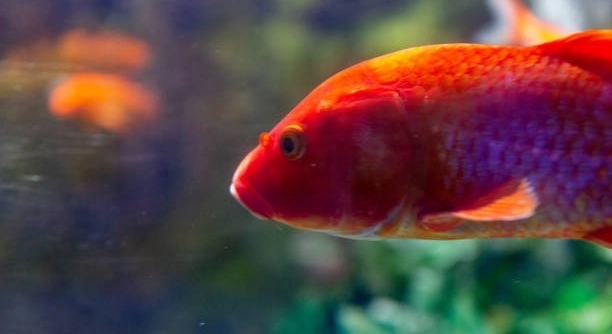
African cichlids are popular aquarium fish known for their vibrant colors and active behavior. Many aquarium enthusiasts enjoy watching them interact and respond to feeding routines. Hand-feeding can create a unique bond between owner and fish, making the experience more rewarding.
Hand-feeding African cichlids is possible and can be done safely with proper care. It requires patience, consistent feeding schedules, and the use of suitable foods to ensure the fish remain healthy and stress-free during the process.
Learning how to hand-feed African cichlids can enhance your connection with them and improve their overall well-being in your aquarium. This article explains practical steps to start hand-feeding confidently.
Why Hand-Feeding African Cichlids Matters
Hand-feeding African cichlids encourages interaction and helps build trust between you and your fish. These fish are naturally cautious, so when they begin to eat from your hand, it shows they feel comfortable and safe. This practice also allows you to monitor their eating habits closely, ensuring each fish gets enough food. By hand-feeding, you can prevent overfeeding and reduce waste in the tank. Additionally, it helps you spot any health issues early, like loss of appetite or unusual behavior. Creating this bond can make aquarium maintenance feel more rewarding and less routine. Many cichlid owners find that hand-feeding adds enjoyment to their daily care routine. It also reduces competition among fish, as they focus on the offered food rather than fighting over flakes or pellets scattered in the tank.
Hand-feeding promotes fish health by improving feeding accuracy and reducing stress in the aquarium environment.
This method requires patience and gentle movements. Start by offering small amounts of food and gradually allow your fish to approach your hand. Avoid sudden motions, which can scare them away. Consistency is key to gaining their trust over time. Using appropriate foods like sinking pellets or small live foods works best. If fish seem hesitant, try placing your hand near the tank for a few minutes daily to help them get used to your presence. Always wash your hands before feeding to prevent introducing harmful substances. With steady practice, hand-feeding becomes a calm and enjoyable part of aquarium care, benefiting both you and your fish.
Preparing to Hand-Feed African Cichlids
Understanding your fish’s behavior is essential before starting hand-feeding. Some cichlids are more aggressive, while others are shy and need extra time to feel comfortable.
Knowing the right food type is equally important. Sinking pellets, frozen or live brine shrimp, and finely chopped vegetables are ideal options. Avoid feeding large chunks that can choke the fish or leave uneaten food to decay. Prepare the food in small portions to maintain water quality and avoid overfeeding. Feeding should be done at regular times daily to create a predictable routine. This predictability helps the fish recognize your hand as a source of food, encouraging them to approach without fear. Hand-feeding also reduces waste compared to scattering food, which can harm water parameters if left uneaten.
Before you start, make sure your hands are clean and free of soap or lotion, as these substances can harm your fish. Gradually introduce your hand to the tank, allowing fish to become familiar with its presence without food. This step helps reduce initial fear. By taking time to prepare and observe your cichlids’ responses, you increase the chances of successful hand-feeding sessions.
Learning to read your fish’s behavior and preparing the right food can make hand-feeding safer and more effective. It also protects the tank’s water quality, ensuring a healthier environment for all its inhabitants.
How to Start Hand-Feeding Your African Cichlids
Begin by offering small amounts of food directly from your hand to avoid overwhelming the fish. Stay calm and move slowly to prevent startling them. Be patient, as trust builds gradually.
Place your hand near the surface or bottom of the tank, depending on your cichlids’ feeding habits. Use sinking pellets or small pieces of live food. Allow the fish to approach at their own pace. If they swim away, try again after a few minutes. Consistency is important, so repeat this daily. Avoid sudden movements, which can scare the fish and set back progress. Over time, they will associate your hand with food and become more comfortable.
Keep feeding sessions short to prevent overfeeding and maintain water quality. Remove uneaten food promptly to avoid contamination. If the fish begin to nip or become aggressive, pause hand-feeding and try again later. Patience and consistency will help develop a smooth feeding routine.
Tips for Maintaining a Safe and Healthy Feeding Environment
Clean hands are essential before feeding to prevent introducing harmful chemicals or bacteria into the tank. Avoid scented lotions or soaps that can be toxic to fish.
Maintain water quality by feeding small amounts and removing leftovers promptly. Overfeeding can cause water pollution, leading to health problems. Regularly check tank parameters, especially ammonia and nitrate levels, during hand-feeding periods. If water conditions decline, pause hand-feeding until they improve. Use a good filtration system to help keep the environment stable. Hand-feeding should never compromise the tank’s cleanliness or the fish’s health. Monitoring behavior and water quality together ensures a safe and comfortable habitat for your cichlids.
Common Challenges When Hand-Feeding African Cichlids
Fish may initially avoid your hand due to fear or unfamiliarity. This reaction is normal and requires patience.
Aggression among cichlids can increase during feeding times. Managing tank dynamics is important to reduce stress and ensure fair feeding opportunities.
Managing Aggression During Hand-Feeding
Aggressive behavior can disrupt feeding routines and cause stress. To manage this, feed smaller amounts to reduce competition. Distribute food in different areas to give shy fish a chance. Adding hiding spots helps fish feel secure and lowers tension. Observe interactions closely and separate overly aggressive fish if necessary. Consistent feeding schedules can also calm dominant fish by reducing uncertainty. Proper tank size and population density play a role in minimizing aggression. Taking these steps makes hand-feeding safer and more enjoyable for all your cichlids.
Choosing the Right Foods for Hand-Feeding
Select foods that are easy to handle and nutritious, such as sinking pellets and live brine shrimp.
Avoiding Overfeeding During Hand-Feeding
Overfeeding can harm fish health and water quality. Feed small amounts and watch their reactions closely.
FAQ
Can all African cichlids be hand-fed?
Not all African cichlids will accept hand-feeding easily. Some species are naturally more cautious or aggressive, which can make the process slower or more difficult. Patience and observation are key. Start with fish that show curiosity and gradually introduce your hand to gain their trust. Avoid forcing shy or aggressive fish, as this can cause stress or injury.
How often should I hand-feed my cichlids?
Hand-feeding should be done once or twice a day, depending on your fish’s size and activity level. Overfeeding can harm their health and water quality, so keep portions small. Consistency helps your cichlids recognize your hand as a food source and reduces competition during feeding times.
What type of food is best for hand-feeding African cichlids?
Sinking pellets, live brine shrimp, and finely chopped vegetables work well for hand-feeding. These foods are easy to manage and nutritious. Avoid large chunks or foods that float too long, as this can cause stress or pollution in the tank. Rotate food types to ensure a balanced diet.
Is it safe to put my hand in the tank every day?
Yes, it is generally safe as long as your hands are clean and free of soap, lotion, or chemicals. Always wash your hands thoroughly before feeding to avoid introducing harmful substances. Move slowly and gently to avoid startling the fish.
What if my cichlids don’t eat from my hand?
Some fish need more time to get used to your presence. Try placing your hand in the tank without food for a few minutes daily to help them feel comfortable. If they still refuse, do not force it. Use feeding tools like tweezers or feed pellets nearby until they are more at ease.
Can hand-feeding cause aggression among cichlids?
Hand-feeding can increase competition and aggression, especially in crowded tanks. To minimize this, feed small amounts and spread the food over different tank areas. Adding hiding spots also helps reduce stress and allows shy fish to eat safely.
How do I prevent overfeeding during hand-feeding?
Feed only what your fish can eat within a few minutes. Remove any uneaten food promptly to protect water quality. Stick to a regular feeding schedule and adjust portion sizes if you notice leftover food or changes in water parameters.
Will hand-feeding improve my cichlids’ health?
Hand-feeding allows you to monitor each fish’s appetite closely, helping detect health issues early. It also reduces stress by creating a calm feeding routine. When done correctly, hand-feeding contributes positively to your fish’s well-being and overall tank environment.
Can I hand-feed cichlids with aggressive tank mates?
Aggressive tank mates can make hand-feeding difficult and stressful. Consider separating aggressive fish during feeding or creating multiple feeding zones. This ensures all fish get enough food and lowers the risk of injury during hand-feeding sessions.
How long does it take for cichlids to trust hand-feeding?
Trust varies by individual fish and species. Some may start accepting food from your hand within days, while others might take weeks or longer. Consistency and patience are essential. Avoid sudden movements or changes to keep building a positive feeding experience.
Should I use gloves when hand-feeding?
Using gloves is optional. Some owners prefer it to protect their skin or avoid introducing oils from their hands. If you choose gloves, make sure they are clean and free of powders or chemicals that could harm your fish.
What if my cichlids bite my hand?
Light nips can happen as fish explore or compete for food, but it shouldn’t be painful. If bites are aggressive or frequent, pause hand-feeding and reassess tank conditions. Aggression could indicate stress, overcrowding, or food competition that needs to be addressed.
Can hand-feeding reduce food waste?
Yes, hand-feeding allows you to control the amount of food given, minimizing leftovers that pollute the tank. It helps keep water cleaner and reduces the need for frequent water changes, supporting a healthier environment.
Is hand-feeding stressful for African cichlids?
When done calmly and patiently, hand-feeding is not stressful. However, sudden movements, overcrowding, or forcing the fish can cause stress. Observe your fish’s behavior and adjust your technique to keep feeding positive and relaxed.
Hand-feeding African cichlids is a rewarding practice that helps create a closer connection between you and your fish. It allows you to observe their behavior up close and monitor their health more effectively. While not all cichlids will accept hand-feeding immediately, patience and consistency can lead to successful interactions. Understanding the right foods to offer and the proper way to introduce your hand into the tank are key steps. By doing this carefully, you can avoid stressing your fish and maintain a peaceful environment.
Maintaining good water quality and tank conditions is important when hand-feeding. Feeding small amounts and removing uneaten food promptly helps prevent water pollution. This protects both your cichlids and any other fish in the aquarium. Hand-feeding also requires attention to your fish’s behavior to spot signs of aggression or stress. Managing tank population and providing hiding spots can reduce competition during feeding. Overall, hand-feeding should enhance your aquarium experience without causing harm or disruption.
With time, hand-feeding can become a calming and enjoyable part of your daily routine. It offers a chance to bond with your cichlids and support their well-being. Remember to stay patient and adjust your approach based on how your fish respond. Consistent practice and careful observation will help you succeed. This simple method of feeding can improve your fish’s health and make your aquarium a more interactive and pleasant place to care for.

Hello,
If you enjoy the content that we create, please consider saying a "Thank You!" by leaving a tip.
Every little bit helps us continue crafting quality advice that supports the health, happiness, and well-being of pets around the world, for pets of all shapes, sizes, and species.
We really appreciate the kindness and support that you show us!