
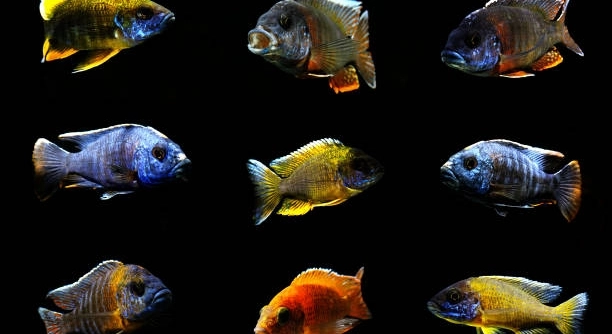
Do you ever find yourself watching your African cichlids dart around the tank, chasing each other with what seems like endless energy?
African cichlids often chase each other due to territorial behavior, mating competition, and social hierarchy. These actions are natural and typically linked to their instinctive need to establish dominance, defend space, or attract potential mates.
While this behavior might seem aggressive at times, learning the reasons behind it can help you manage your tank better and keep your fish healthy.
Reasons Behind the Chasing Behavior
Chasing is a common behavior among African cichlids, especially in a shared tank environment. These fish are naturally territorial and like to claim certain spots as their own. When another fish enters that space, the dominant cichlid often responds by chasing the other away. Males may also chase during mating periods as part of courtship or to ward off competitors. Sometimes, chasing is just a way for one fish to remind others of their place in the group. It’s not always harmful, but if it becomes constant, it can lead to stress or injury. Watching how often and how intensely your fish chase each other can help you understand if the behavior is normal or something to manage. Tank setup, group size, and species mix all play a role in how often chasing happens and how aggressive it gets.
A well-organized tank layout can help lower chasing by giving each fish enough space and hiding spots to feel secure.
Choosing tank mates carefully also helps reduce tension. Some cichlids don’t get along with others, especially those of the same gender or similar appearance. Watching interactions daily lets you catch issues early and make changes if needed.
Ways to Manage Aggression
Adding more rocks, plants, and caves can help break up lines of sight in the tank and create more hiding spaces.
When fish have clear spaces to claim and enough areas to hide, chasing usually slows down. Cichlids like to feel in control of their space. If too many fish are in one area, or if the tank feels too open, it can cause stress and lead to more aggressive behavior. Rearranging tank decorations can help disrupt existing territories and prevent one fish from dominating the whole tank. Feeding time can also cause chasing if food is limited or spread unevenly. Try feeding in multiple spots so everyone gets a chance. If one fish seems overly aggressive, consider separating it or adding a tank divider. Also, make sure you are not mixing species with different temperaments. A peaceful cichlid might struggle if housed with a more aggressive type. Creating a balanced and peaceful tank often takes small adjustments over time, but it makes a big difference.
Environmental Factors That Influence Behavior
Water quality plays a big role in how African cichlids behave. Poor conditions can cause stress, making them more likely to chase and fight with each other. Clean water helps keep them calm and balanced.
Temperature, pH, and ammonia levels all need to stay within safe ranges. Cichlids prefer slightly alkaline water with a pH between 7.8 and 8.6, and temperatures between 75°F and 82°F. If anything shifts too far outside this range, their stress levels rise, and so does aggression. Regular testing helps catch problems early. Sudden changes in water parameters can also lead to panic or defensive behavior. Maintaining a steady environment makes them feel safe. Try to do partial water changes weekly and avoid overfeeding, as leftover food can rot and raise ammonia.
Lighting and noise can also affect how cichlids act. Bright, constant lighting may stress them out, especially if they don’t have shaded areas to hide in. Keep the tank in a quiet spot with consistent light cycles. Adding floating plants or décor can help soften light and create a more natural feel. Avoid tapping on the glass or placing the tank near loud speakers. A calm, steady environment can greatly reduce unwanted chasing and help your fish feel at ease.
Social Structure and Tank Size
Cichlids often live in groups with clear social ranks. Dominant fish may chase others to maintain control, especially in smaller tanks with limited space.
Tank size directly affects how often cichlids chase each other. A small tank doesn’t allow enough space for each fish to claim its own territory. Most African cichlids need at least 30 gallons, and larger tanks work better when housing multiple fish. Overstocking leads to stress, fights, and even injuries. Try to maintain a proper balance between the number of fish and available space. More room gives each fish a chance to separate from the group when needed. It also helps reduce the intensity of dominance fights. If one fish becomes too aggressive, it may be a sign the tank is overcrowded or the group dynamic needs adjusting. Adding a few more cichlids of similar size can sometimes help spread out aggression and reduce targeting of a single fish.
Signs the Chasing May Be a Problem
If a cichlid is constantly hiding, losing color, or skipping meals, it may be stressed from too much chasing. These signs usually mean the aggression is more than just normal tank behavior.
Injuries like torn fins or missing scales can also show the chasing has gone too far. It’s best to act early.
When to Separate Aggressive Fish
Sometimes, one fish may become too aggressive for the group. If you’ve tried rearranging the tank, adding hiding spots, and checking water quality, but nothing helps, it might be time to separate the aggressive one. Use a tank divider or move the fish to a different tank. This can give the rest of the group a chance to recover and settle into a more peaceful routine. Keep an eye on the isolated fish too—it may calm down once it’s no longer competing. Reintroduce it slowly, if at all, and only after changes have been made to the tank to prevent the same behavior from starting again.
Final Thoughts on Cichlid Chasing
Chasing is often part of normal cichlid behavior, but knowing when it’s too much helps protect your fish and keep the tank peaceful.
FAQ
Why do African cichlids chase each other so much?
African cichlids chase each other mainly because of territorial instincts and social hierarchy. They want to protect their space and show dominance over other fish. During breeding seasons, chasing can also be part of courtship or competition between males. This behavior is natural but can become problematic if the tank is overcrowded or lacks hiding spots.
Is chasing always a sign of aggression?
Not always. Chasing can be a way for cichlids to communicate and maintain social order. Mild chasing without injuries is normal. However, if chasing leads to stress, hiding, or physical harm, it is a sign that aggression is too high and something needs to be adjusted in the tank.
How can I tell if chasing is harming my fish?
Watch for signs like torn fins, missing scales, or constant hiding. If a fish stops eating or loses color, it may be stressed. These signs mean the chasing has gone beyond normal behavior and could harm your fish’s health.
Can changing the tank layout reduce chasing?
Yes. Adding rocks, plants, and caves creates territories and hiding spots. Breaking up open areas reduces the chance of one fish dominating the entire tank. Rearranging decorations periodically can also help reset territorial boundaries and lower aggressive chasing.
Does tank size affect chasing behavior?
Absolutely. Smaller tanks force cichlids into closer quarters, increasing competition and chasing. A larger tank provides more space for each fish to establish territory, reducing stress and aggression. For multiple African cichlids, 30 gallons or more is recommended depending on the number of fish.
Are certain species more aggressive than others?
Yes. Some African cichlid species are naturally more aggressive, especially males during breeding. Mixing highly aggressive species with peaceful ones can lead to constant chasing and stress. Researching species compatibility before adding new fish helps maintain harmony.
What role does water quality play in chasing?
Poor water quality increases stress, which can make cichlids more aggressive. Keeping water clean, maintaining stable pH, temperature, and low ammonia levels helps fish stay calm and reduces chasing incidents. Regular testing and water changes are essential.
How often should I feed to reduce chasing?
Feeding multiple small meals a day or spreading food in different tank spots helps. If food is limited or crowded in one area, fish may chase each other more aggressively. Feeding routines that prevent competition can ease tension during mealtime.
Should I separate aggressive fish immediately?
Not always. It’s best to try environmental changes first, like adding hiding spots and checking water quality. If aggression continues and fish are injured or stressed, separating the aggressive fish temporarily can protect the group.
Can aggression calm down over time?
Sometimes. Fish can settle as they get used to their environment or if tank conditions improve. However, some aggressive behavior is natural and may never fully disappear. Careful tank management helps keep aggression at safe levels.
Is it okay to add more fish to reduce chasing?
Adding more fish can sometimes spread out aggression by breaking up targets, but this only works if the tank is large enough. Overstocking causes stress and makes chasing worse. Balance tank size, species, and fish numbers carefully.
What signs mean it’s time to change tankmates?
If chasing is constant, injuries appear, or certain fish are always stressed, the group may not be compatible. Some species don’t get along well. Incompatible tankmates cause ongoing aggression and should be separated or rehomed.
How can I make my cichlids feel secure?
Providing plenty of hiding spots, stable water conditions, and enough space helps fish feel safe. When they have control over their territory and places to retreat, chasing tends to decrease. Observing their behavior lets you adjust the environment as needed.
Does lighting affect chasing behavior?
Bright, constant lighting can stress cichlids, especially if no shaded areas exist. Stress increases chasing and aggression. Using a regular light cycle with periods of dimmer light or shade helps fish relax and reduces conflict.
What should I do if chasing leads to injury?
Isolate injured fish to allow healing. Clean and treat wounds if needed. Improve tank conditions to prevent future fights by increasing hiding places, adjusting stocking levels, or separating aggressive individuals. Prompt action helps avoid infections.
How important is monitoring fish behavior daily?
Very important. Daily checks help catch early signs of stress or aggression before problems worsen. Noticing changes in chasing, eating, or hiding can guide quick adjustments to tank setup or care routines, keeping fish healthy and safe.
African cichlids chasing each other is a natural behavior that mostly comes from their need to establish territory and social order. This chasing helps them decide who is dominant and where each fish belongs in the tank’s hierarchy. While it can seem aggressive, it is part of how these fish communicate and interact. However, when chasing happens too often or becomes too intense, it can cause stress and injury. It’s important to recognize the difference between normal behavior and harmful aggression to keep your fish healthy.
Managing chasing behavior involves paying close attention to the environment and how the fish are interacting. Tank size, water quality, and decorations all influence how often chasing occurs. Providing enough space and hiding spots can reduce conflicts by giving each fish its own area to claim. Regular water testing and maintaining stable conditions keep fish calm. Feeding properly by spreading food in different places can also help reduce competition. Sometimes, despite these efforts, separating aggressive fish is necessary to protect others. Small changes in the tank setup and care routine can make a big difference in lowering chasing and improving the overall mood of your fish.
Watching your African cichlids daily and learning their usual behavior will help you spot problems early. When chasing turns into constant fighting, or fish show signs of stress or injury, it’s time to act. Whether that means changing the tank layout, adjusting the number of fish, or separating certain individuals, taking these steps helps create a peaceful and balanced tank. Keeping your fish safe and comfortable allows them to thrive and show their natural beauty without constant conflict. Understanding chasing as a natural part of their life, while managing it carefully, will make your aquarium a healthier place for your cichlids.

Hello,
If you enjoy the content that we create, please consider saying a "Thank You!" by leaving a tip.
Every little bit helps us continue crafting quality advice that supports the health, happiness, and well-being of pets around the world, for pets of all shapes, sizes, and species.
We really appreciate the kindness and support that you show us!