
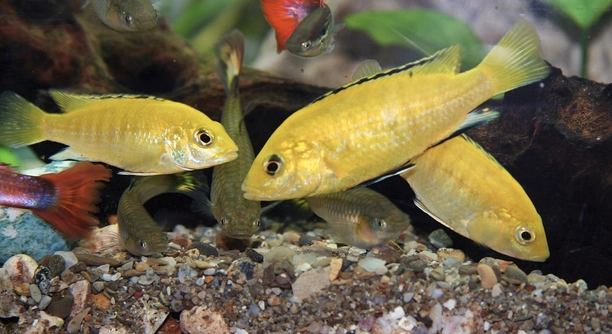
African cichlids are popular fish that many enjoy keeping at home. These colorful creatures can bring life to any aquarium. However, it is not uncommon for them to die earlier than expected, which can be frustrating for owners.
Premature death in African cichlids often results from poor water quality, inadequate diet, overcrowding, stress, disease, improper tank conditions, and lack of proper care. Each factor negatively impacts their health and shortens their lifespan significantly.
Knowing the common reasons behind their early deaths helps improve their care. This article will explain the key factors that affect African cichlids’ longevity and how to create a healthier environment for them.
Poor Water Quality
Water quality is one of the most important factors for keeping African cichlids healthy. If the water is dirty or contains harmful chemicals, the fish can quickly become sick. High levels of ammonia, nitrites, or nitrates can stress their bodies and damage their gills. Regular water changes and testing can prevent these issues. Maintaining the right pH and temperature levels is also essential because cichlids come from specific natural habitats. If these conditions are not met, their immune systems weaken, making them vulnerable to infections. Many people overlook how crucial clean water is, but it directly affects the fish’s ability to live longer. By keeping the aquarium clean and balanced, cichlids will thrive better and show more vibrant colors.
Poor water quality leads to stress and disease in cichlids, shortening their lifespan significantly.
Monitoring water conditions consistently and performing partial water changes helps keep the tank safe. Using proper filtration and avoiding overfeeding can reduce waste buildup. This creates a stable environment that supports the health and well-being of African cichlids.
Overcrowding in the Aquarium
Overcrowding happens when too many fish live in a tank that is too small. It causes stress because the fish compete for space and resources. Overcrowding increases waste and reduces oxygen, which makes it harder to keep the water clean. Fish may become aggressive and injure each other, leading to infections and early death. It’s important to provide enough room for each fish to swim freely and have hiding spots. A spacious aquarium helps reduce stress and encourages natural behavior. When planning your tank, consider the adult size of the cichlids and how many you can keep comfortably. Avoid adding too many fish at once to maintain a healthy balance and keep your cichlids happy and healthy.
Inadequate Diet
An improper diet can weaken African cichlids and reduce their lifespan. They need a balanced mix of proteins, vitamins, and minerals to stay healthy.
Feeding only one type of food, such as flakes or pellets, can cause nutritional deficiencies. Cichlids benefit from varied diets that include high-quality flakes, pellets, and occasional live or frozen foods like brine shrimp or bloodworms. Vegetables like spinach or peas can also provide essential nutrients. Overfeeding is another common problem, leading to obesity and poor water quality. Measuring portions and feeding small amounts several times a day helps maintain their health.
A well-balanced diet supports their immune system and promotes vibrant colors. Providing variety and proper feeding routines ensures they get the nutrition they need to live longer and stay active in your aquarium.
Stress and Aggression
Stress from aggressive tank mates or sudden changes can harm African cichlids. It lowers their immunity and makes them prone to diseases.
Aggression is common among cichlids because they are territorial fish. Overcrowding or mixing incompatible species increases fights, causing injuries and stress. Stress can also come from poor water quality, sudden temperature shifts, or loud noises around the tank. Reducing stress means providing plenty of hiding places, keeping stable tank conditions, and choosing compatible fish species. Proper tank setup and careful monitoring of interactions prevent harmful behaviors. When stress is controlled, cichlids grow healthier and live longer.
Disease and Parasites
Diseases and parasites are common causes of early death in African cichlids. They often result from poor tank conditions or stress.
Regular observation helps catch illness early. Quarantining new fish before adding them to the tank reduces disease spread.
Improper Tank Conditions
African cichlids need specific tank conditions to thrive. This includes the right water temperature, pH level, and tank size. Without these, their health declines rapidly, leading to premature death. Maintaining proper lighting and providing hiding spaces also supports their well-being and natural behavior.
Lack of Proper Care
Neglecting routine maintenance like water changes, tank cleaning, and monitoring water parameters can harm cichlids. Regular care is essential for a healthy aquarium environment and longer fish life.
FAQ
What is the best water temperature for African cichlids?
African cichlids thrive in water temperatures between 75°F and 82°F (24°C to 28°C). Keeping the temperature stable within this range is important because sudden changes can stress the fish. Using a reliable aquarium heater and thermometer helps maintain the right temperature.
How often should I change the water in my cichlid tank?
It’s recommended to change about 20-30% of the water weekly. Regular water changes remove waste and toxins, keeping the environment clean. Avoid changing too much water at once, as this can shock the fish.
Can I keep different species of cichlids together?
Some species can live together if they have similar sizes and temperaments. However, many African cichlids are territorial and aggressive, so mixing different types may cause fights. Research the species before adding new fish to your tank.
What should I feed my African cichlids?
A varied diet is best. Use high-quality flakes or pellets designed for cichlids, and supplement with frozen or live foods like brine shrimp and bloodworms. Adding vegetables such as spinach or peas can provide extra nutrients.
How do I prevent diseases in my cichlid tank?
Maintaining clean water, providing a balanced diet, and avoiding overcrowding help prevent diseases. Quarantine new fish for at least two weeks before introducing them to the main tank. Watch for signs of illness like unusual swimming or spots on the fish.
Why are my cichlids fighting so much?
Fighting often occurs because cichlids are territorial, especially during breeding. Overcrowding or mixing incompatible species can increase aggression. Providing hiding spots and enough space can reduce conflicts.
How big should my tank be for African cichlids?
A minimum of 30 gallons is recommended for a small group. Larger tanks are better because they offer more space, reduce aggression, and improve water quality. Always consider the adult size of the fish when planning the tank.
What causes cloudiness in the aquarium water?
Cloudy water can result from overfeeding, poor filtration, or bacteria blooms. Regular cleaning, avoiding excess food, and using a good filter help keep the water clear.
How can I tell if my cichlid is sick?
Signs include loss of appetite, lethargy, unusual swimming, spots, or clamped fins. Early detection is key to treatment. If you notice these signs, check water conditions and consider consulting a specialist.
Is it okay to keep African cichlids with other fish types?
Most African cichlids do better with their own kind because of their aggressive nature. Mixing them with peaceful species often leads to stress and injury. Choose tank mates carefully to avoid problems.
Final Thoughts
African cichlids are beautiful and interesting fish to keep, but they require careful attention. Their health depends on many factors like water quality, diet, tank conditions, and stress levels. When these needs are not met, cichlids can die prematurely, which is disappointing for anyone who enjoys caring for them. Taking the time to understand their requirements and paying close attention to their environment will help ensure they live longer and stay healthy.
Keeping the water clean and stable is one of the most important parts of cichlid care. Regular water changes, proper filtration, and testing water parameters like pH and ammonia levels make a big difference. Feeding them a balanced diet with variety also supports their immune systems and keeps them strong. Avoiding overcrowding and aggressive tank mates reduces stress and helps prevent injuries and diseases. These steps may seem simple, but they are essential for creating a safe and healthy space for your fish.
Proper care means watching for early signs of illness and acting quickly. Stress, poor diet, and bad water conditions weaken cichlids, making them vulnerable to infections. By maintaining good tank conditions and providing a healthy diet, you give your fish the best chance at a long life. Even small improvements in care can lead to happier and healthier African cichlids, making the experience more rewarding for both the fish and the keeper.

Hello,
If you enjoy the content that we create, please consider saying a "Thank You!" by leaving a tip.
Every little bit helps us continue crafting quality advice that supports the health, happiness, and well-being of pets around the world, for pets of all shapes, sizes, and species.
We really appreciate the kindness and support that you show us!