
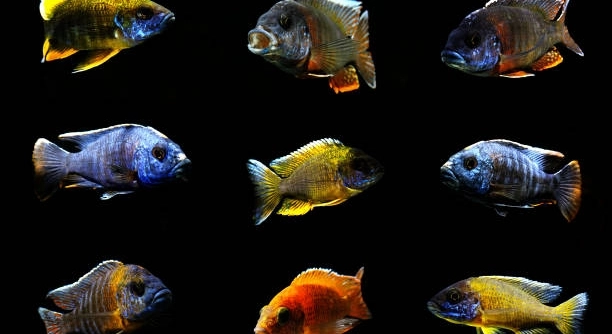
African cichlids are popular aquarium fish known for their digging behavior. This digging is part of their natural activity, helping them create nests or search for food. Sometimes, however, these fish suddenly stop digging, which can concern their keepers.
African cichlids may stop digging due to changes in water conditions, stress, illness, or lack of suitable substrate. Environmental shifts and social dynamics within the tank can also influence this behavior, leading to a decrease or pause in digging activities.
Understanding these reasons will help you maintain a healthy environment and support your cichlids’ natural behaviors. The following information explains common causes behind this change in digging habits.
Changes in Water Quality
Water quality is crucial for African cichlids’ health and behavior. When water parameters like pH, ammonia, nitrite, or nitrate levels shift beyond their comfort zone, cichlids may stop digging. These fish are sensitive to even slight changes. Poor water quality can cause stress, making them less active or unwilling to engage in natural behaviors. Frequent water testing and regular partial water changes help keep conditions stable. Maintaining clean, balanced water ensures cichlids feel safe and comfortable, encouraging their typical digging activity. Ignoring water quality can lead to illness or long-term behavioral changes. Always monitor tank conditions closely, especially after adding new fish or making adjustments.
Consistent water parameters promote healthy digging habits in cichlids. Stress from poor water quality suppresses activity.
Proper water care involves frequent testing and timely water changes. Keep parameters stable and avoid sudden shifts. This stability prevents stress and keeps the fish engaged in digging. Water changes remove harmful substances and refresh oxygen levels. Testing kits help detect unsafe conditions early. Remember, healthy water supports healthy behavior. Observing your tank regularly allows you to catch problems before they affect your cichlids. By prioritizing water quality, you help maintain a natural and active environment for your fish.
Tank Environment and Substrate
Cichlids need the right substrate to dig properly. Coarse sand or fine gravel works best for their digging habits. If the substrate is too compact, sharp, or unsuitable, they may stop digging because it’s uncomfortable or difficult. Decorations or plants placed heavily on the substrate can also limit space for digging. Providing an environment that mimics their natural habitat encourages normal behaviors. Removing or rearranging heavy objects and choosing a soft, loose substrate can help. A well-designed tank with enough open space invites your cichlids to resume digging naturally. This simple adjustment often improves their activity and overall well-being.
Stress and Social Dynamics
Stress can cause African cichlids to stop digging. Factors like overcrowding, aggressive tank mates, or frequent disturbances create tension.
Stress impacts cichlid behavior by triggering a survival response that reduces unnecessary activity, including digging. Overcrowded tanks increase competition and aggression, which makes fish hide or stay still. Aggressive neighbors can intimidate cichlids, leading them to avoid exposed areas where they usually dig. Sudden changes, like rearranging decorations or tapping on the glass, also cause stress. To reduce stress, ensure enough space, maintain peaceful community setups, and minimize external disruptions. Observing how your fish interact helps identify if social tensions affect digging.
Adjusting tank mates and layout can restore calm and encourage digging again. Creating a stable environment improves fish confidence and natural behaviors.
Health Issues and Disease
Illness often reduces activity, including digging in African cichlids. Signs like lethargy, loss of appetite, or unusual swimming can indicate health problems.
Parasites, bacterial infections, and poor nutrition weaken cichlids, making them less likely to dig. Ill fish focus energy on recovery rather than normal behaviors. Detecting sickness early is important to prevent severe decline. Regular observation and quarantine of new fish help limit disease spread. Treatment depends on the diagnosis but may include medication, improved diet, or tank cleaning. Healthy fish regain their digging habits quickly once treated. Prevention through good water quality, balanced nutrition, and proper tank care is essential.
Ignoring health issues risks prolonged inactivity and behavioral changes, affecting the overall aquarium environment.
Seasonal and Breeding Behavior
African cichlids may stop digging during certain seasons or breeding cycles. Their focus shifts to other activities like protecting eggs or caring for fry.
During breeding, digging might pause as cichlids guard nests or hide offspring. This change is natural and temporary.
Nutritional Deficiencies
Poor diet can reduce energy levels, causing cichlids to dig less. A balanced diet supports all natural behaviors, including digging.
Providing a variety of foods rich in vitamins and minerals helps maintain their health and activity. Without proper nutrition, their digging behavior may decline.
Tank Size and Space
Small or overcrowded tanks limit cichlids’ movement, often causing them to stop digging. Adequate space is necessary for normal activity and comfort.
FAQ
Why have my African cichlids suddenly stopped digging?
Sudden stops in digging are often linked to changes in water quality, stress, or illness. Even small shifts in pH or temperature can affect their behavior. It’s important to check water parameters and observe for signs of illness or aggression among tank mates.
Can poor water conditions really cause digging to stop?
Yes, poor water conditions create stress and discomfort, causing cichlids to reduce activity. High ammonia, nitrites, or inappropriate pH levels disrupt their normal behaviors. Keeping water clean and stable encourages natural digging.
How does tank environment affect digging?
If the substrate is unsuitable—too hard, sharp, or compact—cichlids will stop digging. They need soft sand or fine gravel. Overcrowded or cluttered tanks also limit space, discouraging digging.
Does stress from other fish impact digging?
Absolutely. Aggressive or overcrowded tanks cause stress and fear. Cichlids might hide and avoid exposed areas where they dig. Peaceful tank mates and enough space reduce stress and encourage normal behavior.
Can health problems cause digging to stop?
Illness lowers energy and activity. Parasites, infections, or poor nutrition can make fish lethargic, stopping behaviors like digging. Early detection and treatment usually restore activity.
Is it normal for cichlids to stop digging during breeding?
Yes, breeding changes focus from digging to protecting eggs and fry. This pause is natural and temporary.
How important is diet for digging behavior?
A balanced diet with essential nutrients maintains energy levels and promotes all natural behaviors, including digging. Poor nutrition weakens fish and reduces activity.
Can tank size influence digging?
Small or overcrowded tanks limit movement and discourage digging. Providing enough space allows fish to express natural behaviors comfortably.
How do I encourage my cichlids to dig again?
Improve water quality, adjust tank layout, ensure suitable substrate, reduce stress, provide balanced food, and treat any health issues. Patience is key as fish readjust.
Are there signs that indicate why digging stopped?
Look for changes in appetite, color, swimming patterns, or aggression. These clues help identify stress, illness, or environmental problems causing behavior changes.
Is digging essential for African cichlids’ wellbeing?
Digging is part of their natural behavior linked to nesting and exploring. Allowing this activity supports mental and physical health.
What substrate types work best for digging?
Fine sand or smooth gravel offers easy digging without risk of injury. Avoid sharp or heavy substrates that deter digging.
Can changing decorations affect digging behavior?
Yes, rearranging or adding decorations can cause stress or block digging areas. Gradual changes and open spaces help fish adapt.
How often should I test water to maintain digging behavior?
Weekly tests are recommended, especially for ammonia, nitrite, nitrate, and pH. Consistent monitoring prevents conditions that disrupt digging.
Should I separate aggressive fish to protect digging behavior?
Separating aggressive individuals can reduce stress and allow other cichlids to dig freely. Managing tank social structure is important.
What’s the best way to quarantine new fish to avoid health issues?
Quarantine new arrivals for 2–4 weeks in a separate tank to observe and treat potential diseases before introducing them to the main aquarium.
Can temperature fluctuations affect digging?
Yes, unstable temperatures stress cichlids and reduce activity. Maintaining consistent warmth suited to their species encourages natural behaviors.
Do African cichlids stop digging if they feel threatened?
Threat perception causes hiding and inactivity, including stopping digging. Reducing stressors and providing hiding spots help fish feel safe.
How long does it usually take for digging to resume after fixing problems?
Depending on the issue, fish may start digging within days to weeks after conditions improve. Patience and consistent care are essential.
Is it possible that some cichlids simply dig less?
Individual differences exist; some fish dig more than others. However, a complete stop often indicates an underlying problem.
Can overcrowding alone stop digging behavior?
Overcrowding increases stress and competition, often causing fish to stop digging due to limited space and social pressure.
Are there any signs to distinguish between stress and illness affecting digging?
Stress usually shows with hiding, aggression, or rapid breathing, while illness may include visible spots, discoloration, or abnormal swimming. Observing closely helps differentiate causes.
What role does oxygen level play in digging activity?
Low oxygen can reduce energy and activity, including digging. Proper aeration and water movement are important for healthy fish behavior.
Can lighting affect digging?
Bright or constant lighting may stress fish, reducing activity. Providing a natural day-night cycle supports normal behaviors.
Is it helpful to add hiding places to encourage digging?
Yes, hiding spots make fish feel secure, reducing stress and promoting digging as they feel comfortable exploring and nesting.
Should I change substrate type if digging has stopped?
If the current substrate is hard or unsuitable, switching to finer sand or smooth gravel can encourage digging again.
Does breeding status change how much a cichlid digs?
Breeding fish often dig less or stop while guarding eggs and fry. After breeding, digging usually resumes.
How does tank maintenance affect digging?
Regular cleaning and water changes prevent stress and illness, both of which can stop digging. Consistent maintenance supports natural behaviors.
African cichlids are active fish that naturally dig in their tanks. When they suddenly stop this behavior, it often signals a change in their environment or health. Many factors can influence their digging, such as water quality, tank setup, stress, diet, and illness. Each of these plays an important role in how comfortable and healthy the fish feel. Keeping an eye on these areas helps maintain a good environment that supports their natural habits.
Water quality is one of the most important factors. Poor water conditions can stress cichlids and make them less active. Testing water regularly for ammonia, nitrites, nitrates, and pH levels ensures the tank stays balanced. Changes in temperature or sudden disturbances can also upset the fish. Along with water, the tank environment matters a lot. The type of substrate, the amount of space available, and how the tank is arranged affect whether the fish will dig. Using soft sand or fine gravel gives them a place to dig comfortably, while too many decorations or sharp substrates can stop this behavior.
Health and social conditions also affect digging. Illness or poor nutrition often lowers the fish’s energy, causing a reduction in normal activities like digging. Aggression or overcrowding can create stress, making cichlids hide or avoid exposed spots. Breeding behavior is another reason digging may pause temporarily. Overall, understanding and addressing these causes is key to helping cichlids return to their normal behavior. By focusing on clean water, proper diet, peaceful tank mates, and a suitable environment, you create a space where your fish can thrive and show their natural digging again.

Hello,
If you enjoy the content that we create, please consider saying a "Thank You!" by leaving a tip.
Every little bit helps us continue crafting quality advice that supports the health, happiness, and well-being of pets around the world, for pets of all shapes, sizes, and species.
We really appreciate the kindness and support that you show us!