
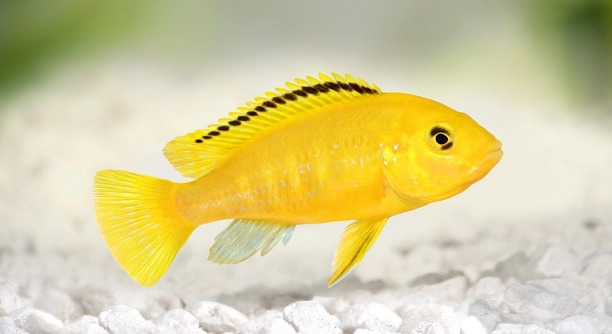
Cichlids are colorful and active fish that many aquarium owners enjoy keeping. However, they can sometimes bully their fry, which are the young, fragile fish. This behavior can cause stress and harm to the fry if left unchecked.
To stop cichlids from bullying fry, it is important to provide plenty of hiding spaces, separate fry when necessary, maintain good water quality, and monitor fish behavior closely. These steps help reduce aggression and protect the young fish effectively.
Knowing how to manage cichlid behavior will create a safer environment for the fry and promote a healthier aquarium overall.
Provide Plenty of Hiding Spaces
Creating safe spots for fry is one of the best ways to reduce bullying by adult cichlids. Adding decorations like plants, rocks, or caves gives fry places to escape and hide. These hiding spots help fry feel secure and less stressed. When fry have safe areas, adults are less likely to chase or attack them. You can use live or artificial plants, but make sure they don’t overcrowd the tank. Arrange the tank so fry can quickly slip away if threatened. It’s important to check that these hiding spots are easy to clean and won’t trap debris. Providing these shelters encourages a calmer tank environment and gives fry a better chance to grow safely. This setup mimics their natural habitat and helps balance the interactions between adult fish and fry.
Hiding spaces reduce stress for fry and lower the chances of aggressive encounters with adults.
Setting up adequate hiding spots requires some planning, but the benefits are worth the effort. Safe areas allow fry to thrive and grow without constant threat. By placing plants and caves strategically, you create zones that adult cichlids find harder to dominate. This helps protect the vulnerable fry and keeps your aquarium peaceful. Make sure the hiding spaces fit the size of your tank and don’t block filtration or light. Regularly inspect these spots to keep them clean and safe. When fry feel protected, they grow healthier and the tank community becomes more balanced. This simple step can make a big difference in managing aggression and fostering a nurturing environment for your cichlids.
Separate Fry When Necessary
Separating fry from adults can prevent bullying and increase survival rates.
If aggression continues despite hiding spaces, moving fry to a separate tank may be necessary. A dedicated fry tank lets them grow without stress or injury from adults. This also makes it easier to feed fry appropriate food and monitor their health closely. Using a breeder box inside the main tank can work temporarily, but a separate tank offers more space. Make sure the fry tank has gentle filtration and stable water conditions. Once the fry are large enough, they can return to the main aquarium safely. This method requires extra equipment and effort but protects fry during their most vulnerable stage. Separation is a practical step when aggression risks are high and gives the young fish the best chance to thrive.
Maintain Good Water Quality
Clean water is essential for reducing stress and aggression in cichlids.
Poor water quality can increase aggression and weaken fry, making them easy targets. Regular water changes and proper filtration keep the environment stable. Testing water parameters often helps catch problems early. Stable pH, temperature, and low ammonia levels support healthy fish behavior. Stress from bad water can trigger adults to bully fry more aggressively. Maintaining a clean tank encourages a calmer community where fry are safer and more likely to thrive.
Good water conditions improve the immune systems of both fry and adults. This reduces illness and aggressive behavior caused by discomfort. Keeping water clean also prevents harmful bacteria and parasites that can weaken fry. A healthy environment lowers stress for all fish, helping maintain peaceful interactions. Consistent maintenance and observation are key to managing water quality. This simple step supports a more balanced and less hostile tank for your cichlids.
Monitor Fish Behavior Regularly
Watching your fish often helps catch bullying before it gets worse.
Pay attention to signs of aggression such as chasing, nipping, or hiding. Early detection allows you to act quickly, protecting the fry. Sometimes, removing or isolating the most aggressive fish is necessary. Observing behavior also helps understand which tank conditions might be causing stress. Regular monitoring keeps the aquarium environment healthy and balanced. It allows timely adjustments to tank setup or fish groups, ensuring fry safety and reducing bullying incidents.
Feed Fry Properly
Providing the right food reduces competition and aggression.
Fry need small, frequent meals of appropriate food. Well-fed fry are less likely to be chased by adults searching for food. Feeding both adults and fry properly helps keep peace in the tank.
Use Tank Dividers When Needed
Tank dividers create safe spaces within the aquarium.
Dividers help separate fry from aggressive adults while still sharing the same water. This method reduces bullying without the need for a separate tank. It allows easy monitoring and care of fry while limiting harmful contact.
Control Tank Population
Overcrowding increases stress and aggression among fish.
Keeping the tank population balanced prevents adults from feeling territorial. A less crowded tank reduces competition for space and food, lowering the chances of bullying fry. Managing numbers is essential for a peaceful environment.
FAQ
Why do cichlids bully their fry?
Cichlids can bully fry because of natural territorial behavior or competition for resources. Adult cichlids may see fry as threats or rivals, especially in crowded tanks. Stress, lack of hiding places, or poor water quality can increase aggression. Sometimes adults mistake fry for food, especially in species that eat smaller fish.
How can I tell if my cichlids are bullying fry?
Look for chasing, nipping, or constant harassment of fry by adults. Fry may hide often, appear stressed, or have damaged fins and scales. If fry seem weak or disappear suddenly, bullying might be the cause. Monitoring behavior closely is key to spotting early signs before serious harm occurs.
Is it necessary to separate fry from adults?
Separating fry is often helpful when bullying is severe or persistent. A separate tank or breeder box offers fry a safe space to grow without stress or injury. It also makes feeding and monitoring easier. Once fry are larger and less vulnerable, they can be gradually introduced back to the main tank.
What types of hiding spaces work best for fry?
Dense plants, caves, and rock formations provide good hiding spots. Live plants like java moss or hornwort work well, as do artificial decorations with small crevices. The goal is to create safe areas where fry can quickly escape adult aggression. Avoid overcrowding the tank to keep hiding spaces accessible.
How often should I change the water to reduce aggression?
Weekly water changes of 20-30% help maintain stable water quality and reduce stress. Consistent filtration and monitoring ammonia, nitrite, and nitrate levels also matter. Clean water supports fish health and lowers aggressive behavior caused by poor conditions. Avoid large sudden water changes that can shock fish.
Can changing tank mates reduce bullying?
Yes, choosing compatible species or fewer aggressive adults can help. Some cichlids are naturally more territorial or aggressive. Reducing the number of dominant fish or mixing in less aggressive species can create a calmer environment. Always research fish compatibility before adding new tank mates.
What should I feed fry to keep them healthy?
Fry need small, frequent meals of specialized foods like crushed flakes, baby brine shrimp, or powdered fry food. Proper nutrition helps fry grow quickly and avoid stress, which reduces bullying risk. Feeding adults separately prevents competition and ensures fry get enough food.
Are tank dividers effective for controlling aggression?
Tank dividers can be very effective to separate fry while keeping them in the same aquarium. This method limits physical contact but allows water circulation, which keeps conditions stable. Dividers are helpful when a separate tank isn’t available but still require regular monitoring.
How long does it take for fry to be safe from bullying?
Fry are usually most vulnerable during their first few weeks. Once they grow larger and stronger, adults tend to be less aggressive. This timing varies depending on the species and tank conditions. Providing protection early on is crucial for survival.
What signs indicate that bullying has stopped?
Fry swim more freely without constant hiding, have healthy fins, and show normal growth. Adults stop chasing or nipping fry. The tank atmosphere feels calmer with less frantic movement. Regular observation helps confirm if bullying behavior has ceased.
Final Thoughts
Keeping cichlids and their fry together can be a challenge because of natural aggression. However, with the right steps, it is possible to reduce bullying and create a safer environment for the young fish. Providing plenty of hiding spaces, maintaining good water quality, and separating fry when needed are simple yet effective ways to protect fry. These actions help lower stress for both fry and adults, which is important for a healthy aquarium. The more calm and balanced the tank, the better the chances that the fry will grow strong and healthy.
It is also important to watch fish behavior regularly and act quickly if aggression becomes a problem. Early detection of bullying allows for timely adjustments like changing tank mates or adding dividers. Feeding fry properly and keeping the tank population balanced also play big roles in preventing bullying. When adults and fry both have their needs met, there is less reason for aggression. This attention to detail makes a big difference in how peaceful your aquarium feels. Overcrowding and poor care often lead to more fights, so avoiding these issues helps keep the tank stable.
At the end of the day, patience and observation are key. Each aquarium is different, so finding the right balance may take time. Sometimes a small change, like adding plants or separating fry temporarily, is all it takes to improve the situation. Being consistent with tank maintenance and watching your fish carefully will give your fry the best chance to thrive. Caring for cichlids means learning how to manage their behavior while providing a safe space for their young. With thoughtful care, you can enjoy a lively tank where both adults and fry live well together.

Hello,
If you enjoy the content that we create, please consider saying a "Thank You!" by leaving a tip.
Every little bit helps us continue crafting quality advice that supports the health, happiness, and well-being of pets around the world, for pets of all shapes, sizes, and species.
We really appreciate the kindness and support that you show us!