
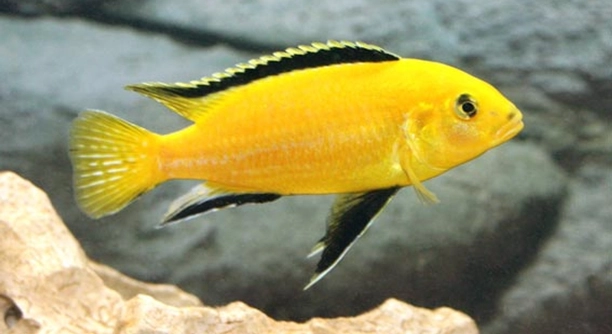
Many cichlid owners notice their fish hiding and refusing to eat at times. This behavior can be worrying, especially when you want your pet to stay healthy and active. Understanding why it happens is important for proper care.
Cichlids hide and stop eating mainly due to stress, illness, or poor water conditions. These factors affect their comfort and health, causing them to withdraw and lose appetite. Identifying and addressing these causes is key to their recovery.
Recognizing the reasons behind this behavior can help you improve your cichlid’s environment and well-being. The following information will guide you through common causes and solutions.
Common Causes of Hiding and Refusing to Eat
Cichlids may hide and refuse food for several reasons, mostly related to their environment or health. Stress is one of the leading causes. Changes in water temperature, poor water quality, or overcrowding can make them feel unsafe. Illness is another reason; infections or parasites can lower their appetite and energy. Sometimes, the tank setup itself, like a lack of hiding places or aggressive tank mates, can cause anxiety. When a cichlid feels threatened, it seeks shelter and avoids eating. Proper tank maintenance and observation are important to spot early signs of these issues. Regular water testing and cleaning help maintain a stable environment. Also, providing adequate space and compatible companions reduces stress. By paying attention to these factors, you can create a safer, more comfortable habitat that encourages natural behavior and healthy eating habits in your cichlid.
Monitoring your cichlid’s behavior daily can help catch problems early. Small changes often hint at underlying issues before they get serious.
Knowing how to identify stress and illness will allow you to take action quickly and prevent long-term harm.
How to Improve Your Cichlid’s Environment
A stable environment is crucial for a cichlid’s well-being. Keep water temperature consistent, usually between 75 to 82°F, depending on the species. Use a reliable heater and thermometer. Regular water changes, about 20% weekly, help maintain clean conditions. Avoid overcrowding by limiting the number of fish based on tank size. Add hiding spots like rocks or plants to reduce anxiety and provide security. Avoid mixing aggressive species that can stress your cichlid. Proper filtration keeps the water clear of harmful waste. Test water parameters often for ammonia, nitrite, and nitrate levels to prevent toxic buildup. Feeding a balanced diet in small amounts encourages appetite without polluting the tank. By making these adjustments, you create a more comfortable and healthy habitat that reduces hiding behavior and promotes eating. A well-maintained environment supports your cichlid’s overall health and happiness.
Signs of Illness in Cichlids
Loss of appetite is a common sign that a cichlid may be sick. Other symptoms include lethargy, unusual spots, or frayed fins. Watching your fish closely helps catch illness early.
Illnesses like bacterial infections, parasites, and fungal growth can cause hiding and loss of appetite. These conditions often occur due to poor water quality or stress. If your cichlid shows any symptoms, a water test and tank cleaning are necessary. Treatment may require medications or quarantining the fish to prevent spreading disease. Early action improves the chances of recovery and prevents worsening health problems.
Observing behavior changes and physical signs can indicate specific illnesses. Timely diagnosis is important because some diseases progress quickly. Consulting with an aquatic specialist or veterinarian can guide proper treatment options.
Feeding Tips for Reluctant Cichlids
Offer a variety of foods to stimulate your cichlid’s appetite. Fresh, frozen, or specially formulated pellets can attract interest. Avoid overfeeding, as this can cause water pollution.
Feed small amounts two to three times daily, observing if the fish eats. Remove uneaten food to keep water clean. Sometimes changing the feeding spot or time can encourage eating. Live foods like brine shrimp or bloodworms may also entice a picky eater. A balanced diet strengthens the fish’s immune system and supports recovery. Consistency in feeding helps establish a routine that can reduce stress and promote normal behavior over time.
Stress Factors in Cichlids
Stress can cause hiding and loss of appetite in cichlids. Common stressors include poor water quality, aggressive tank mates, and sudden changes in the environment. Reducing these factors is important for their well-being.
Keeping a consistent routine and environment helps reduce stress. Providing plenty of hiding places lets cichlids feel secure and less anxious.
Importance of Water Quality
Maintaining clean, stable water conditions is essential for cichlids’ health. High levels of ammonia, nitrites, or nitrates can quickly stress fish and lead to illness. Regular water testing and partial water changes prevent toxic buildup. Use a good filtration system and avoid overfeeding to keep the tank healthy. Stable pH and temperature also play a key role in keeping cichlids comfortable. Monitoring water quality closely can stop problems before they affect your fish’s appetite or behavior.
Tank Setup Tips
Ensure the tank size is appropriate for your cichlid species. Crowded tanks increase stress and aggression, causing hiding and refusal to eat.
When to Seek Professional Help
If your cichlid’s behavior does not improve despite changes, consulting a vet or aquatic specialist is necessary.
FAQ
Why is my cichlid hiding all the time?
Cichlids often hide because they feel stressed, scared, or unwell. Stress can come from poor water quality, aggressive tank mates, or a sudden change in their environment. When they hide, it’s usually a sign that something is wrong or that they want to feel safe. Providing hiding spots and maintaining good tank conditions can help them feel more secure.
What should I do if my cichlid refuses to eat?
If your cichlid stops eating, first check the water quality and temperature. Poor water conditions or incorrect temperatures can make fish lose their appetite. Observe for signs of illness such as spots or unusual behavior. Try offering different foods like live or frozen options to encourage eating. If the problem continues, it might be necessary to treat for disease or consult a specialist.
Can stress cause my cichlid to stop eating?
Yes, stress is a common reason for loss of appetite in cichlids. Stress factors include overcrowding, aggressive tank mates, or sudden changes in the tank. Stress weakens their immune system and makes them less likely to eat. Reducing stress by improving tank conditions and providing hiding places often helps restore normal feeding habits.
How often should I clean my cichlid’s tank?
It’s best to perform partial water changes of about 20% weekly to maintain water quality. Regular cleaning of the substrate and filter is also important. Avoid full water changes, which can shock the fish. Keeping the tank clean reduces harmful toxins and creates a healthier environment, encouraging your cichlid to feel comfortable and eat normally.
What types of food are best for picky cichlids?
A balanced diet is key. High-quality pellets or flakes made for cichlids work well as a staple. Adding live or frozen foods like brine shrimp, bloodworms, or daphnia can stimulate appetite. Feeding small amounts multiple times a day is better than one large meal. Variety in diet helps keep your cichlid interested in food and supports their overall health.
How do I know if my cichlid is sick?
Signs of illness include loss of appetite, hiding more than usual, lethargy, discoloration, white spots, frayed fins, or difficulty swimming. If you notice any of these symptoms, test your water and consider isolating the affected fish. Early treatment improves chances of recovery. If unsure, ask a vet or aquatic specialist for advice.
Can changing tank mates reduce hiding behavior?
Yes, aggressive or territorial tank mates can cause a cichlid to hide frequently. Choosing compatible species and avoiding overcrowding helps reduce stress and aggression. Sometimes, separating aggressive fish or providing more hiding spaces can improve peace in the tank. This makes your cichlid feel safer and more likely to eat normally.
Is water temperature important for cichlid appetite?
Absolutely. Most cichlids prefer temperatures between 75°F and 82°F. Water that is too cold or too hot can cause stress and reduce appetite. Use a reliable heater and thermometer to keep the temperature stable. Sudden changes should be avoided to prevent shocking your fish.
Can lighting affect cichlid behavior?
Yes, lighting impacts fish activity. Too much light or sudden changes in lighting can stress cichlids and cause hiding. Provide a natural day-night cycle with moderate light and some shaded areas. This helps mimic their natural environment and encourages healthy behavior.
When should I seek professional help for my cichlid?
If your cichlid continues to hide and refuses food despite proper care and water conditions, it’s time to consult a vet or aquatic specialist. Persistent symptoms might indicate disease or other serious health issues. Professional advice can help identify the problem and recommend effective treatments.
How long can a cichlid go without eating?
Healthy adult cichlids can survive for several days without food, but prolonged fasting weakens their immune system. Juveniles and sick fish need regular feeding to grow and recover. If your cichlid refuses food for more than a few days, it’s important to investigate the cause and act quickly.
Does adding plants help reduce hiding?
Yes, live plants create hiding spots and reduce stress. They also improve water quality by absorbing nitrates. Plants help simulate a natural environment, making cichlids feel more secure and less likely to hide constantly.
Are there any quick fixes for a cichlid that won’t eat?
Quick fixes include checking water parameters, offering live or frozen foods, and providing hiding places to reduce stress. Avoid overfeeding and sudden changes. If the issue doesn’t improve within a few days, it’s important to look deeper into possible illnesses or environmental problems.
What is the best way to introduce a new cichlid to my tank?
Quarantine new fish for at least two weeks to prevent introducing disease. Introduce them slowly to the main tank, watching for signs of aggression or stress. Provide plenty of hiding spaces to help both new and existing fish adjust comfortably. This reduces hiding and helps maintain a healthy tank environment.
When a cichlid starts hiding and refuses to eat, it can feel concerning. This behavior usually means the fish is stressed, uncomfortable, or possibly sick. It’s important to pay close attention to your fish’s environment and health to understand what might be causing the problem. Good water quality, a stable temperature, and a proper tank setup are key factors that influence how your cichlid behaves. Regular maintenance and observation help create a healthy space where your fish can feel safe and well.
Taking care of a cichlid means providing more than just food and water. Their needs include clean water, enough space, and a peaceful environment with suitable tank mates. Changes in these conditions often lead to stress, which makes cichlids hide and lose interest in food. Providing hiding spots like plants and rocks can help reduce anxiety. Also, feeding a balanced diet with variety encourages them to eat even when they feel uneasy. Watching your cichlid’s behavior daily can help you notice problems early and take action before they get worse.
Sometimes, despite your best efforts, a cichlid may still hide and refuse to eat. This could be a sign of illness or a more serious issue. In these cases, consulting an aquatic specialist or veterinarian is important. They can help identify problems that aren’t obvious and suggest proper treatments. Remember, keeping your cichlid healthy is a combination of good tank care, proper feeding, and careful attention to their behavior. With patience and the right steps, your fish can recover and enjoy a better quality of life.

Hello,
If you enjoy the content that we create, please consider saying a "Thank You!" by leaving a tip.
Every little bit helps us continue crafting quality advice that supports the health, happiness, and well-being of pets around the world, for pets of all shapes, sizes, and species.
We really appreciate the kindness and support that you show us!