
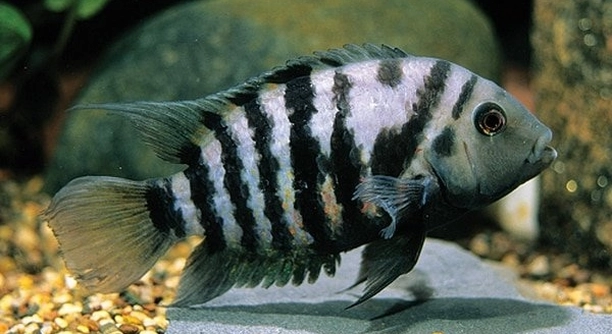
Is your cichlid always opening its mouth, making you wonder if something might be wrong with its behavior or health?
Cichlids often open and close their mouths as a form of communication, territorial display, or to regulate water flow over their gills. In some cases, it may also indicate stress, discomfort, or potential health concerns.
There’s more to this habit than meets the eye, and understanding it can help you support your cichlid’s well-being over time.
Understanding Natural Cichlid Behavior
Cichlids are known for their expressive behavior, and frequent mouth movements are often normal. This action can be a way to assert dominance, especially in shared tanks. Mouth opening and gaping may be part of a threat display, where the fish is trying to establish territory. It may also be related to mating behaviors, as some species perform these gestures during courtship. In other cases, they simply use mouth movement to maintain proper oxygen flow through their gills. If the fish shows no signs of distress, unusual swimming, or color changes, it’s usually nothing to worry about. Watching how often and when your cichlid opens its mouth can help you recognize what’s normal for them. Healthy behavior often follows a pattern and includes regular eating, swimming, and interaction with tank mates. A peaceful tank environment supports natural expression and reduces unnecessary stress.
Some cichlids naturally open their mouths more often due to species-specific traits and behaviors.
It’s helpful to observe their overall health and look for other signs like lack of appetite or sudden aggression. If the mouth opening is constant and paired with changes in behavior, it may require a closer look. Keeping track of tank conditions, water quality, and any recent changes is important.
Environmental Stress and Health Checks
A sudden increase in mouth movement might be caused by discomfort in the tank.
Poor water quality, low oxygen levels, and overcrowding can all contribute to stress in cichlids. Ammonia and nitrate buildup are common issues in tanks with inadequate filtration or infrequent maintenance. When levels rise too high, fish often respond by breathing rapidly or gasping at the surface. Overheating or cold water can also impact oxygen availability. Additionally, if a cichlid is frequently opening its mouth, it could be reacting to an internal issue such as a parasite or mouth infection. These health problems can be hard to spot at first but may show as redness, swelling, or refusal to eat. Tank mates that are aggressive or overly active can also create tension and lead to constant mouth displays. It’s important to isolate stress factors and respond quickly. A routine check of temperature, pH, and ammonia levels can help restore comfort. Watching how your cichlid behaves after adjustments can give you clues about what helped.
Signs Something Might Be Wrong
Constant mouth opening paired with unusual swimming or hiding may signal a problem. If your cichlid is also losing color, skipping meals, or staying near the surface, it’s worth checking water conditions and health.
When mouth movement becomes constant and forceful, it’s a sign the fish might be struggling to breathe. This is especially concerning if paired with gill discoloration, sluggish movement, or hovering near the surface. Internal infections, gill flukes, or bacterial issues can cause breathing difficulty. A cloudy or inflamed appearance around the gills or mouth may point to illness. In some cases, cichlids may also appear to be “yawning” repeatedly when experiencing irritation or discomfort. These symptoms should not be ignored. Catching them early can make a big difference in how quickly your fish recovers. Observation is key when things seem off.
It’s important to act quickly if any of these signs appear. Start with a water test to rule out ammonia spikes, low oxygen, or pH imbalances. If water quality checks out, isolate the fish if possible and monitor it closely for other changes. You may need to consult a vet specializing in aquatic life or use a safe treatment designed for freshwater tanks. Proper diagnosis helps prevent further issues and protects other fish in the tank.
The Role of Tank Conditions
Tank conditions play a big part in how your cichlid behaves. Clean, stable water helps prevent health problems and stress-related behavior. Poor conditions often lead to excessive mouth movement and unusual swimming.
Keeping a well-maintained tank ensures your cichlid has the best chance to stay healthy and active. Weekly water changes, proper filtration, and stable temperature all help reduce the risk of stress and illness. Check ammonia, nitrate, and nitrite levels regularly using a reliable test kit. A good rule of thumb is to change 25–30% of the water each week and remove uneaten food to keep the tank clean. It’s also important to avoid overcrowding, as cichlids are territorial and need their own space. Adding hiding spots or dividers can reduce tension. If your fish keeps opening its mouth, it could be reacting to poor water flow or low oxygen. Make sure your filter and air stones are working well to keep water circulating properly.
Common Behavioral Causes
Some cichlids open their mouths often during interactions with other fish. It’s usually a sign of dominance or communication, not always something to worry about unless paired with other unusual behaviors.
Mouth-to-mouth pushing is also normal in territorial disputes. This can happen more in shared tanks or during mating displays.
When to Consider Medical Treatment
If constant mouth opening continues after tank adjustments, it might be time to consider treatment. Symptoms like inflamed gills, refusal to eat, or rapid breathing may indicate infection or parasites. Treating with a targeted medication, such as antiparasitic or antibacterial solutions, should only be done after testing water and observing the fish closely. Always follow dosage instructions carefully and avoid overmedicating. If you’re unsure, it’s best to seek help from an aquatic vet. Quarantining the affected fish can help prevent spreading illness and allows better monitoring. Acting early and providing a clean, calm environment can support faster healing and reduce the chance of ongoing issues.
Final Tips to Keep in Mind
Keep a routine schedule for water changes and observe your cichlid daily. This helps catch unusual behavior early and keep your tank environment stable.
FAQ
Why does my cichlid keep opening its mouth at other fish?
This is usually a territorial behavior. Cichlids are known to be aggressive, especially when claiming space or establishing a pecking order. Mouth opening, flaring, or gaping at other fish can be a warning or challenge. It’s common when two fish are trying to dominate the same area or during breeding. If the behavior is short-lived and doesn’t lead to injury, it’s considered normal. However, if fighting becomes frequent, consider rearranging the tank or adding more hiding places to reduce aggression.
Is my cichlid yawning or trying to breathe?
What looks like yawning is often your cichlid adjusting water flow across its gills or expressing mild irritation. Fish don’t yawn like humans do, but repeated open-mouth actions can resemble it. Occasional yawning is normal, especially after eating or adjusting to water flow. However, frequent or labored mouth movement may suggest breathing difficulty, possibly from poor water conditions or illness. Check oxygen levels, filtration, and water temperature. If everything looks fine, watch closely for other changes like sluggish swimming or color fading.
Could my cichlid have something stuck in its mouth?
Yes, it’s possible. Cichlids can sometimes get gravel, food, or debris lodged in their mouths, especially if they sift through substrate. If the fish keeps its mouth open constantly or struggles to eat, inspect it closely. It may appear restless, trying to shake or rub its mouth against tank surfaces. If you suspect something is stuck, avoid forcing it out unless you are experienced. In serious cases, consult a vet with experience handling aquarium fish.
How do I know if the water quality is causing the problem?
Start with a water test kit. Measure ammonia, nitrite, nitrate, and pH levels. High ammonia or nitrite can cause stress, gill damage, and rapid breathing. Poor water quality may not be visible, but your fish will show signs—gasping, odd swimming, or staying near the surface. Clean the tank regularly, change 25–30% of the water weekly, and check that your filter is working. Stable conditions help reduce stress-related behaviors like frequent mouth opening.
Can overfeeding cause this behavior?
Yes, overfeeding can affect water quality and fish health. Uneaten food decays and raises ammonia levels, which can irritate the gills and lead to heavy breathing. Cichlids should be fed small portions once or twice daily, only what they can finish in a few minutes. Floating food can also lead to gulping air, which may look like mouth gaping. Monitor how your fish eats and clean up any leftovers to maintain good conditions.
Is this behavior more common in certain types of cichlids?
Yes, some species are more expressive or aggressive than others. For example, African cichlids tend to show more territorial displays, while South American cichlids may be slightly calmer but still exhibit mouth movements. Individual personalities also matter. Some fish are naturally more reactive. Learning the normal behavior of your specific cichlid type will help you spot when something changes.
What should I do if the behavior doesn’t stop?
First, rule out water quality issues and environmental stress. Make sure the tank is clean, the water is well-aerated, and the temperature is steady. If behavior doesn’t improve, isolate the fish and observe for illness. Look for visible signs like inflamed gills, changes in appetite, or odd posture. Treatment depends on the symptoms—use the right medication only if you’ve identified a likely cause. Avoid treating blindly, as it can worsen things. When unsure, ask an aquatic vet or a knowledgeable fish specialist for help.
Final Thoughts
Keeping cichlids healthy means watching their behavior and making sure their tank stays clean and stable. If your cichlid is constantly opening its mouth, it’s not always a sign of trouble. Sometimes, it’s just a natural way of showing dominance, communicating with other fish, or helping water flow through their gills. However, when this behavior becomes constant and is paired with other signs like gasping, hiding, or losing color, it may point to stress or health issues. Paying attention to small changes in your fish’s habits can help you respond early and prevent problems from getting worse.
The environment plays a big role in how your cichlid acts. Poor water quality, low oxygen levels, and aggressive tank mates can all cause stress that leads to unusual mouth movements. That’s why regular tank maintenance, water testing, and proper feeding routines are important. Keeping the tank clean and stable helps your fish stay healthy and act normally. Always watch how your cichlid behaves after any changes, whether it’s new fish in the tank, a change in food, or a shift in water temperature. Small shifts in environment can have a big effect on behavior. Even something as simple as rearranging decorations can reduce tension and improve how your fish feels.
When mouth opening seems excessive and doesn’t stop after you’ve checked the basics, it may be time to look deeper. Illness, parasites, or something stuck in the mouth are possible causes. In those cases, a closer inspection or help from a fish vet might be needed. Never rush into using medications unless you’re sure of the issue, and always follow safe steps if treatment is needed. A good approach is to keep a routine for checking the tank and observing your fish. That way, you’re more likely to catch problems early and avoid bigger issues. With the right care, most cichlids live long, active lives and show all kinds of interesting behaviors that reflect their personality. Watching them closely is part of what makes keeping them so rewarding.

Hello,
If you enjoy the content that we create, please consider saying a "Thank You!" by leaving a tip.
Every little bit helps us continue crafting quality advice that supports the health, happiness, and well-being of pets around the world, for pets of all shapes, sizes, and species.
We really appreciate the kindness and support that you show us!