
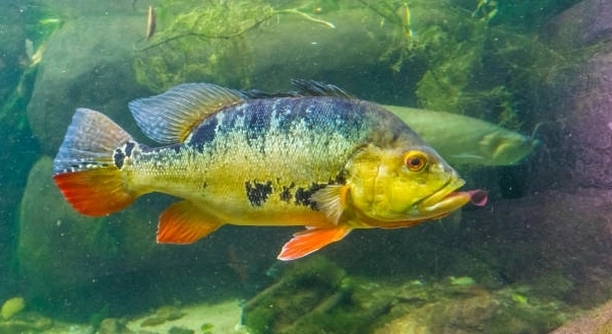
African cichlids are popular fish known for their vibrant colors and lively behavior. Many aquarium owners enjoy keeping them but often wonder about their dietary needs. Feeding them properly is important to keep them healthy and active.
African cichlids can survive on flakes alone for a limited time, but a diet solely based on flakes lacks essential nutrients. A varied diet including pellets, live, or frozen foods is necessary for their long-term health and vibrant coloration.
Understanding the role of flakes in their diet helps ensure these fish thrive in home aquariums. Exploring their nutritional needs will guide you in providing the best care possible.
Nutritional Needs of African Cichlids
African cichlids require a balanced diet to stay healthy and maintain their bright colors. Their natural diet includes a mix of plant matter, small insects, and crustaceans. Flake foods often contain basic nutrients but may lack some essential vitamins and minerals. Over time, relying only on flakes can cause deficiencies that affect growth and immune function. It’s important to include other types of food, like pellets or frozen foods, which offer more complete nutrition. Providing a varied diet mimics what they would eat in their natural habitat, supporting their energy levels and overall health. Feeding flakes alone might be easy, but it doesn’t meet all their dietary needs. This can lead to dull colors or weakened immune systems. Careful attention to diet helps cichlids live longer and remain active.
A balanced diet supports cichlids’ health and keeps their colors bright. Flakes alone don’t provide all necessary nutrients.
Including different food types ensures your fish get a full range of vitamins and minerals. This helps them grow properly and resist disease.
How to Supplement Flakes for Better Health
Flakes are convenient but should be supplemented with other foods to meet cichlids’ needs. Adding pellets designed for cichlids can provide extra protein and nutrients. Frozen or live foods like brine shrimp or bloodworms add variety and important nutrients missing in flakes. Vegetables such as spinach or peas can also be offered occasionally. Rotating these foods keeps your fish interested and nourished. It’s best to feed small amounts several times a day rather than a large portion all at once. This helps avoid overfeeding and water pollution. Observing your fish’s behavior and appearance can guide adjustments in their diet. Supplementing flakes properly promotes better health, stronger immune systems, and more vivid colors. Consistency is key, and providing a range of foods makes sure your African cichlids thrive in captivity.
Feeding Frequency for African Cichlids
Feeding African cichlids two to three times a day in small portions is best. Overfeeding can cause water quality problems and health issues.
Regular small feedings help maintain stable water conditions and prevent obesity. Cichlids digest food quickly, so feeding often supports their energy needs. Avoid leaving uneaten food to keep the tank clean. Adjust feeding amounts based on how much they consume within a few minutes.
Consistent feeding schedules promote healthy growth and reduce stress. Watch your fish closely to ensure they eat well but are not overfed. Proper feeding frequency is essential for maintaining both fish health and aquarium cleanliness.
Common Mistakes When Feeding African Cichlids
One common mistake is relying solely on flakes without variety. This limits nutrient intake and can weaken fish. Another issue is overfeeding, which harms water quality and fish health. Feeding too large portions or too often leads to leftover food and increased tank waste.
Avoiding variety in diet reduces the fish’s vitality and may dull their colors. Overfeeding raises ammonia and nitrite levels, which stress fish and encourage disease. Underfeeding, however, can stunt growth and weaken immunity. Balancing feeding quantity and quality is key. Proper feeding habits promote healthier, more active cichlids and a cleaner tank environment. Paying attention to these factors prevents common health problems.
Signs of Nutritional Deficiency in African Cichlids
Nutritional deficiencies in African cichlids often show as faded colors and lethargy. They may lose appetite or have difficulty swimming normally.
Poor growth and weakened immune systems are also common signs. These issues usually mean their diet needs improvement or more variety.
Best Types of Flake Foods for African Cichlids
Choose flakes formulated specifically for cichlids, which contain higher protein and essential vitamins. Look for products with ingredients like spirulina, fish meal, and algae. Avoid generic flakes that may lack key nutrients. Some brands include added probiotics and minerals to support digestion and overall health. Rotating different flake brands can help provide a wider range of nutrients. Properly selected flakes are a convenient base but should still be part of a varied diet including pellets or frozen foods.
Preparing Flakes for Feeding
Crushing large flakes into smaller pieces can help young or small cichlids eat more easily. Soaking flakes briefly in tank water helps prevent digestive issues.
FAQ
Can African cichlids live only on flakes?
African cichlids can survive on flakes for a short period, but flakes alone don’t provide all the nutrients they need. Over time, relying only on flakes can lead to poor health, faded colors, and weaker immune systems. A more balanced diet including pellets, frozen, or live foods is necessary for their long-term well-being.
How often should I feed flakes to my cichlids?
It’s best to feed flakes two to three times daily in small amounts. Cichlids digest food quickly, so smaller, more frequent feedings keep their energy stable without overfeeding. Always remove any uneaten flakes to maintain water quality.
Are all flakes the same quality?
No, flakes vary widely in quality. Flakes made specifically for cichlids contain more protein and essential vitamins. Generic flakes often lack nutrients needed for vibrant colors and strong health. Look for flakes with ingredients like spirulina, fish meal, and added vitamins.
Can I soak flakes before feeding?
Yes, soaking flakes briefly in tank water helps soften them. This makes it easier for cichlids to digest and reduces the risk of bloating or digestive issues. Crushing large flakes into smaller pieces can also help, especially for young or smaller fish.
What are good supplements to flakes?
Adding pellets, frozen foods like bloodworms or brine shrimp, and vegetables such as peas or spinach helps fill nutritional gaps. Live foods also promote natural hunting behavior and improve health. Variety is key for balanced nutrition.
Can overfeeding flakes harm my cichlids?
Yes, overfeeding leads to leftover food that pollutes the water, causing higher ammonia and nitrite levels. This can stress your fish and cause health problems. Feeding small portions and removing uneaten flakes reduces these risks.
How do I know if my cichlids are malnourished?
Signs include dull colors, lethargy, poor growth, and reduced appetite. If you notice these symptoms, try improving their diet with more variety and higher-quality foods. Sometimes, water quality issues can mimic malnutrition, so check that too.
Are flakes suitable for baby cichlids?
Flakes can be used for baby cichlids but are often too large or hard. Crushing flakes or using powdered food is better. Also, supplementing with live or frozen foods promotes healthy growth and development.
Is it okay to feed only flakes during vacations?
Flakes can sustain cichlids for short breaks, but it’s best not to rely on them alone for long. Automatic feeders or asking someone to feed a varied diet can help maintain proper nutrition.
How can I keep flakes fresh and nutritious?
Store flakes in a cool, dry place away from sunlight. Seal the container tightly to prevent moisture and air exposure. Fresh flakes maintain their nutrients better and keep your fish healthy.
African cichlids are beautiful and active fish that need proper care to stay healthy. Their diet plays a big role in their overall well-being. While flakes can be a convenient and easy way to feed them, relying only on flakes is not enough to meet all their nutritional needs. Flakes usually provide basic nutrients but lack some important vitamins and minerals that African cichlids require to maintain their bright colors and strong immune systems. Feeding flakes alone for a long time can cause health problems, so it’s important to include other types of food as well.
To keep African cichlids healthy, it’s best to offer a varied diet. Adding pellets made specifically for cichlids can give them more protein and balanced nutrition. Live or frozen foods like brine shrimp, bloodworms, or small insects help mimic what they would eat in the wild and add important nutrients missing from flakes. Sometimes offering small amounts of vegetables like peas or spinach is also helpful, especially for herbivorous species. Feeding small portions multiple times a day supports their digestion and energy levels without overfeeding. Watching how your fish respond to different foods can help you find the right balance to keep them thriving.
In summary, flakes can be a good part of the diet but should never be the only food African cichlids get. Providing a range of food types will ensure they get the full range of nutrients needed for growth, color, and health. Consistent feeding habits, attention to quality food, and variety will help your cichlids live longer and be more active in your aquarium. Taking the time to learn about their dietary needs and adjusting their food choices accordingly can make a big difference in how well they do in captivity. This care makes the experience of keeping African cichlids much more rewarding.

Hello,
If you enjoy the content that we create, please consider saying a "Thank You!" by leaving a tip.
Every little bit helps us continue crafting quality advice that supports the health, happiness, and well-being of pets around the world, for pets of all shapes, sizes, and species.
We really appreciate the kindness and support that you show us!