
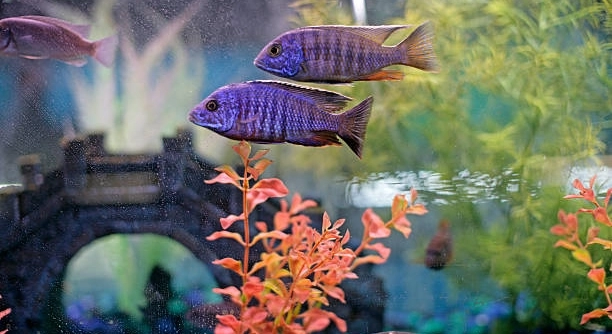
Have you ever watched your cichlid swim around and wondered if their simple tank setup might be affecting their mood?
Cichlids can experience boredom in tanks that lack stimulation. Without environmental enrichment, they may show repetitive behaviors, aggression, or reduced activity. Providing a complex habitat supports their mental well-being and encourages more natural behaviors.
Creating a better space for your cichlid doesn’t have to be difficult, and even small changes can make a big difference in their daily life.
Why Simplicity Can Be a Problem for Cichlids
Cichlids are intelligent and active fish. In nature, they explore rocks, hide in crevices, and defend territories. When kept in plain tanks without enough features, they often lose these natural behaviors. A lack of stimulation can lead to boredom, stress, and even aggression. Some may start pacing or picking at other fish. These actions are not random—they are signs the fish may not feel mentally satisfied. Just like humans, cichlids need things to do to stay active and engaged. Simple setups might be easy to maintain, but they don’t always meet the needs of the fish. Enriching their space with rocks, plants, and areas to hide gives them something to explore and helps reduce negative behaviors. It also brings out more natural habits that are good to observe. A boring tank might look clean, but it doesn’t support healthy behavior in these complex fish.
A basic tank may keep your cichlid alive, but it doesn’t help them thrive or express their full range of behaviors.
When your fish have more to do, you’ll likely see better colors, more activity, and less stress. It’s a small effort with noticeable rewards for both you and your cichlid.
What You Can Do to Keep Cichlids Engaged
Adding variety to their tank keeps cichlids interested and more relaxed. It also helps prevent unwanted behaviors caused by boredom.
Start by including natural-looking structures like caves, driftwood, and large stones. These additions create territories and hiding places, which are important for cichlid behavior. Floating plants and visual barriers give them more reasons to move around and interact with their surroundings. Changing the layout from time to time helps reset their curiosity. Feeding can also become more interactive. Use feeding rings, scatter food in different areas, or add floating plants that food can stick to. This encourages natural foraging and searching behaviors. If possible, keep compatible tank mates to give them more interaction. Always monitor any changes to avoid stress or conflict. With a few thoughtful changes, your cichlid’s tank can go from plain to stimulating, offering a better quality of life for the fish and more interesting behaviors for you to observe.
Signs Your Cichlid Might Be Bored
Cichlids often show boredom through repetitive actions like glass surfing or pacing. You might also notice them losing interest in food or staying in one spot for long periods without much movement.
When a cichlid feels mentally under-stimulated, it may begin showing unusual behavior. Some fish swim up and down the tank walls constantly or seem to chase invisible objects. Others become aggressive toward tank mates or even start nipping fins. A bored cichlid might also start digging excessively in the substrate without any real purpose. These aren’t just quirks—they’re signs that the fish may need more environmental stimulation. Their behavior is a way of coping with an environment that lacks challenges or variety. These changes might be gradual, so it helps to observe your fish regularly and compare what you see with their usual activity levels and habits.
Changes in appetite or reduced response to your presence can also suggest boredom. Cichlids are often very aware of their surroundings and may come to the front of the tank during feeding times or when someone approaches. If that stops happening, it could be a sign that your fish is feeling unengaged. A shift in color or posture can also reflect lowered mental stimulation or increased stress.
How Tank Layout Affects Behavior
A bare tank with little cover or variety can lead to stress, inactivity, and aggression. Cichlids need spaces to claim, explore, and defend. Their behavior often improves when the layout supports these instincts.
Creating zones within the tank helps prevent conflict and encourages movement. Use rocks and decorations to form visual barriers, which help reduce tension between fish. Cichlids are territorial, so providing separate areas for each one gives them something to guard and explore. When they have caves or crevices, they can retreat when needed, which makes them feel secure. A layered setup—some low hiding spots and taller vertical structures—can increase space use. Backgrounds and textured surfaces also help reduce reflections, which can cause stress. Simple tanks may be easier to clean, but the behavioral benefits of a well-designed layout are worth the extra effort. A thoughtful tank setup supports natural habits and improves the well-being of your fish.
Enrichment Ideas That Work
Adding a mix of live or artificial plants can encourage hiding and exploring. These features help break up the space and provide security while giving your cichlids more reasons to swim around and stay active.
Use floating decorations, PVC tubes, or clay pots to create tunnels and shelters. Rearranging the layout every few weeks can re-engage their interest and promote curiosity in their surroundings.
Feeding Time as Mental Stimulation
Feeding can be more than just dropping food in the tank. Try using feeding cones, slow-release blocks, or scattering pellets in different spots to keep cichlids active and focused. This approach mimics natural foraging behavior, which keeps them mentally alert and encourages movement. Live foods like brine shrimp can also be added occasionally to spark hunting instincts. Varying food types and feeding methods helps reduce routine and keeps your fish from getting bored. With just a few changes, mealtime becomes a chance for mental stimulation and better overall health.
Small Changes Make a Big Difference
Even one or two additions to the tank can reduce boredom and improve your cichlid’s behavior. You don’t need a full redesign to see positive results.
FAQ
Can cichlids really feel bored?
Yes, cichlids can feel bored when their environment lacks stimulation. These fish are naturally curious and active. In the wild, they spend time exploring, hiding, and defending territory. A simple tank doesn’t give them much to do, which can lead to boredom. You might see this through repetitive swimming patterns, aggression, or reduced interest in food. These behaviors are not just random—they’re signals that something may be missing. Giving them more to interact with helps meet their mental needs and supports better health and behavior overall.
What are the most common signs of boredom in cichlids?
The most noticeable signs are repetitive actions, such as swimming back and forth or staying in one area too long. Some fish may lose color, avoid food, or become aggressive with tank mates. They may also become inactive or hide more than usual. In some cases, they may pick at decorations or dig aimlessly. These actions often suggest they are under-stimulated. Watching your fish closely over time makes it easier to recognize these changes. If you see several of these behaviors, it’s worth improving the tank setup to support better mental activity.
How often should I change the tank layout?
You don’t need to change the layout every week, but refreshing the space every few weeks can help. Rearranging rocks, moving plants, or adding new decorations can create a sense of novelty. This makes your cichlids more likely to explore and stay active. Even small layout shifts can renew their interest. The goal is not to stress them, but to reintroduce challenges and new spaces. Make changes gradually and observe how your fish react. If they seem stressed, keep changes minimal. If they start exploring again, that’s usually a good sign you’re on the right track.
Can tank mates help prevent boredom in cichlids?
In some cases, yes. Adding compatible tank mates can increase interaction and reduce boredom. However, cichlids are territorial, so it’s important to choose the right species and ensure enough space. When done carefully, adding other fish can stimulate natural behaviors like guarding territory or displaying dominance. But if the tank is too small or the species don’t match, it can cause stress and fighting. Always research compatibility and watch closely after adding new fish. Tank mates are not the only solution, but they can be part of a well-balanced environment.
Are toys or moving decorations useful for cichlids?
Cichlids don’t use toys the same way mammals do, but moving decorations like air stones, bubbles, or filter currents can still help. These features change the water flow and add movement, which can catch their interest. Some fish will swim against currents or investigate areas with different textures or bubbles. These changes give them something to explore without needing physical toys. You can also try placing objects that reflect light or gently sway in the water. Always make sure anything added to the tank is safe and doesn’t stress or trap the fish.
Does lighting play a role in cichlid stimulation?
Yes, lighting can affect their behavior. A consistent light cycle helps support normal activity and rest patterns. Bright lighting can bring out colors and support plant growth, but too much light or no shaded areas can cause stress. Use a mix of bright and dim areas so your fish can choose where to go. Some cichlids like staying in lower light spaces during part of the day. Timers can help maintain regular light schedules. Proper lighting supports a natural rhythm, which contributes to better mental and physical health.
How do I know if changes are helping?
If your cichlid starts exploring more, becomes more active, or shows brighter colors, that’s a good sign. You might also see them interacting with their environment or tank mates in new ways. Reduced aggression or pacing can also mean your changes are working. These fish tend to respond fairly quickly to environmental improvements. Keep observing their habits after changes and look for positive shifts in activity. If no improvements happen over time, try adjusting the setup again. Every tank is different, so finding the right balance may take a little patience.
Final Thoughts
Keeping cichlids in a simple tank may seem like the easiest option, but it often overlooks their natural needs. These fish are intelligent, curious, and active by nature. A plain tank with little to explore can lead to stress, boredom, and unwanted behaviors. When a fish has nothing to interact with, it may begin pacing the glass, hiding all day, or even becoming aggressive. These signs are easy to miss at first, but over time they can affect the fish’s health and quality of life. A tank that looks clean and quiet to us might not feel the same to the fish living in it.
Creating a better space for your cichlid does not mean you need a complicated or expensive setup. Even simple additions like rocks, caves, plants, or varied feeding methods can make a big difference. These changes give your fish more things to do and help reduce boredom. Rotating the layout now and then, using floating decorations, or introducing safe tank mates are all small steps that improve their environment. The goal is to give them room to explore, hide, and act the way they naturally would. When their needs are met, their colors brighten, their movement becomes more active, and their behavior often improves.
Taking the time to observe your cichlid and understand what they need is an important part of keeping them healthy. If you notice signs of boredom, it’s worth making small adjustments. Watch how they respond and keep track of what works best. Every cichlid is different, so what helps one may not help another in the same way. By staying aware of their behavior and offering a stimulating home, you’ll create a better space for them to live. In return, you’ll likely enjoy a more vibrant and interactive fish. A tank filled with natural activity is not just better for your cichlid—it’s also more enjoyable to watch.

Hello,
If you enjoy the content that we create, please consider saying a "Thank You!" by leaving a tip.
Every little bit helps us continue crafting quality advice that supports the health, happiness, and well-being of pets around the world, for pets of all shapes, sizes, and species.
We really appreciate the kindness and support that you show us!