
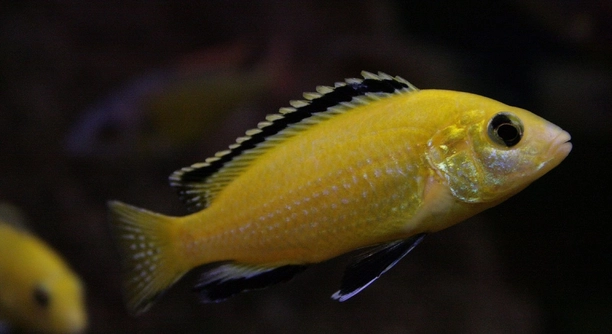
African cichlids are colorful and active fish that need the right environment to thrive. Choosing the correct tank size is important for their health and behavior. Many hobbyists wonder which tank sizes work best for these vibrant fish.
Selecting an appropriate tank size for African cichlids depends on their species, number, and activity level. Generally, tanks ranging from 30 to 75 gallons provide sufficient space for swimming, territory establishment, and reducing aggression among cichlids.
Knowing the best tank sizes helps ensure your cichlids stay healthy and comfortable in their aquatic home. This article will guide you through the top choices to consider.
Why Tank Size Matters for African Cichlids
African cichlids are territorial and active fish that require enough space to swim freely and establish their own areas. If the tank is too small, aggression can increase, leading to stress and injury among the fish. Proper tank size also affects water quality, as more water volume helps dilute waste and maintain stable conditions. Smaller tanks demand more frequent maintenance and careful monitoring. Many cichlid species grow to a moderate size, so choosing a tank that accommodates their adult length is essential. Additionally, having adequate space encourages natural behaviors and reduces competition for hiding spots and food. Taking time to select the right tank size will improve your fish’s overall well-being and make caring for them easier.
Smaller tanks under 30 gallons usually don’t provide enough room for multiple cichlids and often result in increased aggression and poor water quality.
A larger tank creates a more stable environment. It allows better territorial distribution and reduces stress, helping cichlids live longer and healthier lives. Proper space supports their natural activity and vibrant colors.
Ideal Tank Sizes for Different Cichlid Species
Each African cichlid species has unique needs, so tank size recommendations vary. Smaller species like shell dwellers do well in tanks starting at 20 gallons, as they are less aggressive and more compact. Medium-sized cichlids, such as those from Lake Malawi, typically require 30 to 55 gallons to accommodate their active swimming and territorial nature. Larger species or groups benefit from tanks 55 gallons or more, providing ample space for movement and reducing conflicts. Understanding your specific cichlid species helps in choosing an appropriate tank size. Factors such as the number of fish, their adult size, and temperament should guide your decision. Providing the right space not only minimizes aggression but also enhances breeding success and overall health. Proper tank sizing is a key step toward creating a balanced and thriving aquatic environment.
Recommended Tank Sizes for Beginners
Starting with a 30 to 40 gallon tank is often the best choice for new African cichlid keepers. This size offers enough space for a small group while keeping maintenance manageable.
A 30 to 40 gallon tank provides enough room for about four to six cichlids, depending on species and size. This size balances space and ease of care, helping to reduce aggressive behaviors by allowing territories. It’s large enough to support stable water conditions but small enough to fit in most homes. Many beginners find this size manageable when learning about filtration, water changes, and feeding routines. Keeping fewer fish in this tank size ensures a better introduction to cichlid care.
This tank size supports a variety of species and setups, from rocky environments to sandy bottoms. It allows you to observe natural behaviors and build your confidence before moving to larger tanks or more complex communities.
Impact of Tank Size on Cichlid Behavior
Tank size directly influences how African cichlids interact with each other. Larger tanks give fish more space to establish territories, which helps lower aggression.
In smaller tanks, limited space increases competition and stress, causing more frequent fights and injuries. When fish can spread out, they are less likely to clash, resulting in calmer communities. Proper tank size also encourages natural social behaviors, like displaying and breeding. Behavioral problems often improve when fish have adequate space to swim freely and claim areas. Selecting the right tank size is key to maintaining a peaceful, healthy group of cichlids that exhibit vibrant colors and active movement.
Common Tank Sizes to Avoid
Tanks smaller than 20 gallons are generally too small for most African cichlids. They restrict movement and increase aggression.
Choosing an undersized tank often leads to poor water quality and stressed fish. These issues can cause illness and shorten lifespans.
How to Adjust Tank Size for Fish Number
As you add more cichlids, increase tank size accordingly. Overcrowding raises stress and aggression levels.
A good rule is to provide at least 10 gallons of water per adult fish. This ensures each fish has enough space to establish territory and reduces conflicts. Proper stocking keeps water quality stable and supports healthier fish.
Setting Up the Tank Environment
Besides size, the tank layout is crucial. Rocks and hiding places help break up territories and reduce fights.
Providing plenty of shelter mimics their natural habitat and makes the tank less stressful.
FAQ
What tank size is best for a single African cichlid?
A tank of at least 20 gallons is recommended for one African cichlid. This size provides enough space for swimming and establishing territory, which is important for the fish’s well-being. Smaller tanks may cause stress and limit natural behavior.
Can African cichlids live in smaller tanks if kept alone?
While it’s possible to keep a single cichlid in a smaller tank, it is not ideal. Small tanks often have unstable water conditions, making maintenance difficult. The fish also needs space to move and explore to stay healthy and active.
How many African cichlids can I keep in a 55-gallon tank?
A 55-gallon tank can comfortably house about 8 to 10 medium-sized African cichlids. This depends on species and their adult size. Providing enough space helps reduce aggression and allows fish to establish territories.
Is it okay to keep different species of African cichlids in one tank?
Mixing different species is possible but requires careful planning. Some species are more aggressive or territorial than others. Ensuring the tank is large enough with plenty of hiding spots helps reduce conflicts. It’s best to research compatibility before mixing species.
How often should I clean a tank housing African cichlids?
Regular maintenance is important. Partial water changes of 20-30% every one to two weeks help keep water clean. Larger tanks may need less frequent changes, but monitoring water quality is key. Cleaning filters and removing waste also help maintain a healthy environment.
What happens if my tank is too small for my African cichlids?
A tank that’s too small increases stress, aggression, and health problems. Overcrowding can lead to poor water quality, which causes illness. Fish may stop eating or become lethargic. Choosing the right tank size prevents these issues and supports long-term health.
Are there any benefits to having a larger tank for African cichlids?
Larger tanks provide stable water conditions and allow fish to swim freely. They reduce aggression by giving more space for territories. Bigger tanks also support better filtration and oxygen levels, creating a healthier environment for the fish.
Can I add decorations in a small tank to compensate for size?
Decorations help break up space and provide hiding spots, but they don’t replace the need for adequate water volume. Even with decorations, a small tank limits swimming space and increases waste concentration. It’s better to choose a proper tank size first.
How do I know when to upgrade my tank size?
If your cichlids show signs of stress, aggression, or poor health, it might be time to upgrade. Also, if the fish grow larger or you want to add more, a bigger tank will be necessary. Regular observation helps you decide the right time.
Is tank size more important than water parameters?
Both are important. Tank size affects space and social behavior, while water parameters impact health. A larger tank can help maintain stable water quality, but proper filtration, temperature, and pH are also essential. Balancing both ensures the best care.
Choosing the right tank size for African cichlids is a key part of keeping these fish healthy and happy. Their active nature and territorial behavior require enough space to swim freely and establish personal areas. A tank that is too small can cause stress, increase aggression, and lead to poor water quality. These problems make it harder to care for the fish and can shorten their lifespan. By selecting a tank size that suits the species and number of cichlids, you create an environment that supports natural behaviors and overall well-being.
It is important to consider both the adult size of the cichlids and how many fish you plan to keep. For most species, a minimum of 30 gallons is recommended, with larger tanks preferred for groups or bigger fish. Providing at least 10 gallons per fish is a good guideline to follow. This space allows each fish to claim a territory, which lowers fighting and stress. In addition to tank size, the setup of the tank—such as rocks, caves, and plants—helps break up the environment and offers hiding spots. This makes the tank feel more natural and reduces conflicts between fish.
Taking the time to choose the right tank size and arrange the environment properly makes a big difference in how your African cichlids live. It helps keep water conditions stable and fish behavior balanced. You will find that your cichlids are more active, show better colors, and have a longer life when their needs are met. Good planning and care create a healthier and more enjoyable aquarium for both you and your fish.

Hello,
If you enjoy the content that we create, please consider saying a "Thank You!" by leaving a tip.
Every little bit helps us continue crafting quality advice that supports the health, happiness, and well-being of pets around the world, for pets of all shapes, sizes, and species.
We really appreciate the kindness and support that you show us!